
 Español
  Français
  Deutsch
  Italiano
  Nederlands
  International
How much do they pay for egg donation? Everything you need to know about compensation for egg donation in Spain
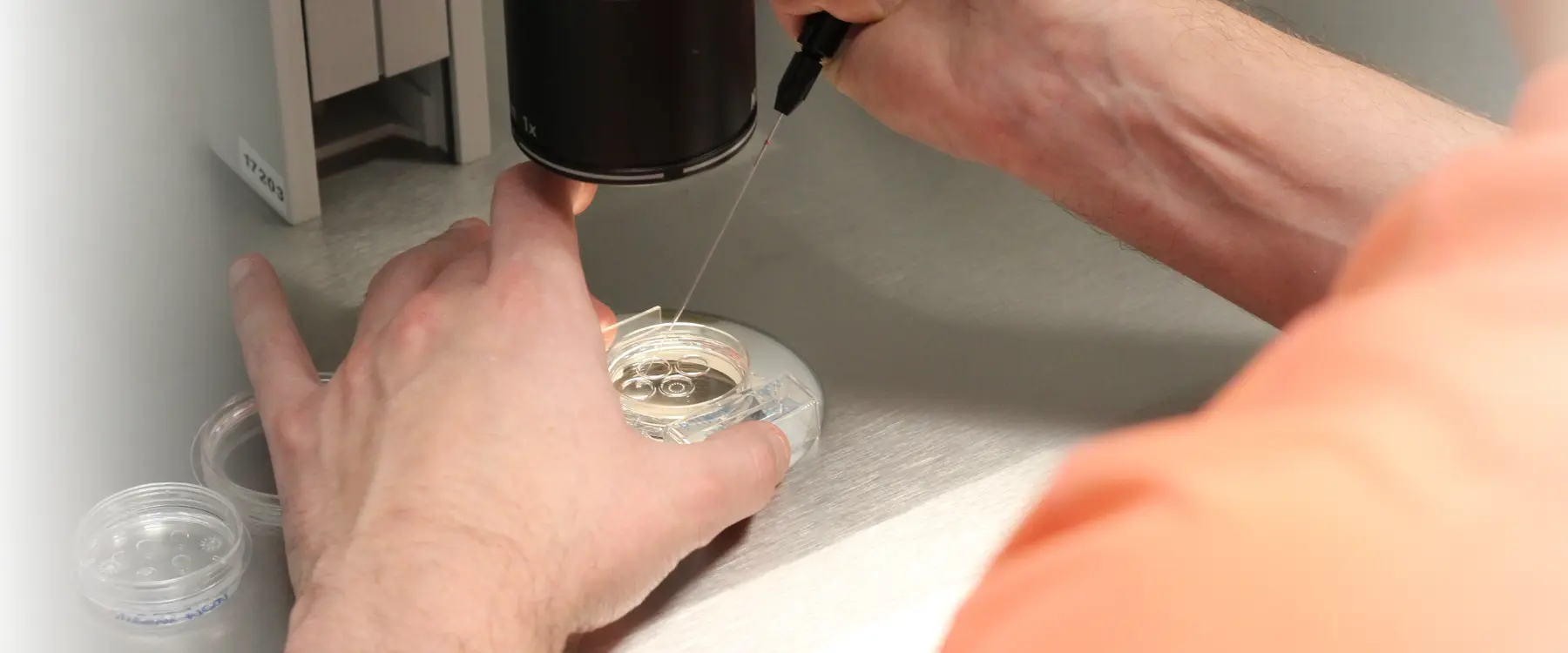
One of the most frequently asked questions by women considering becoming donors is: “How much do they pay for donating eggs?”. However, in Spain, the answer is that no payment is made for eggs.
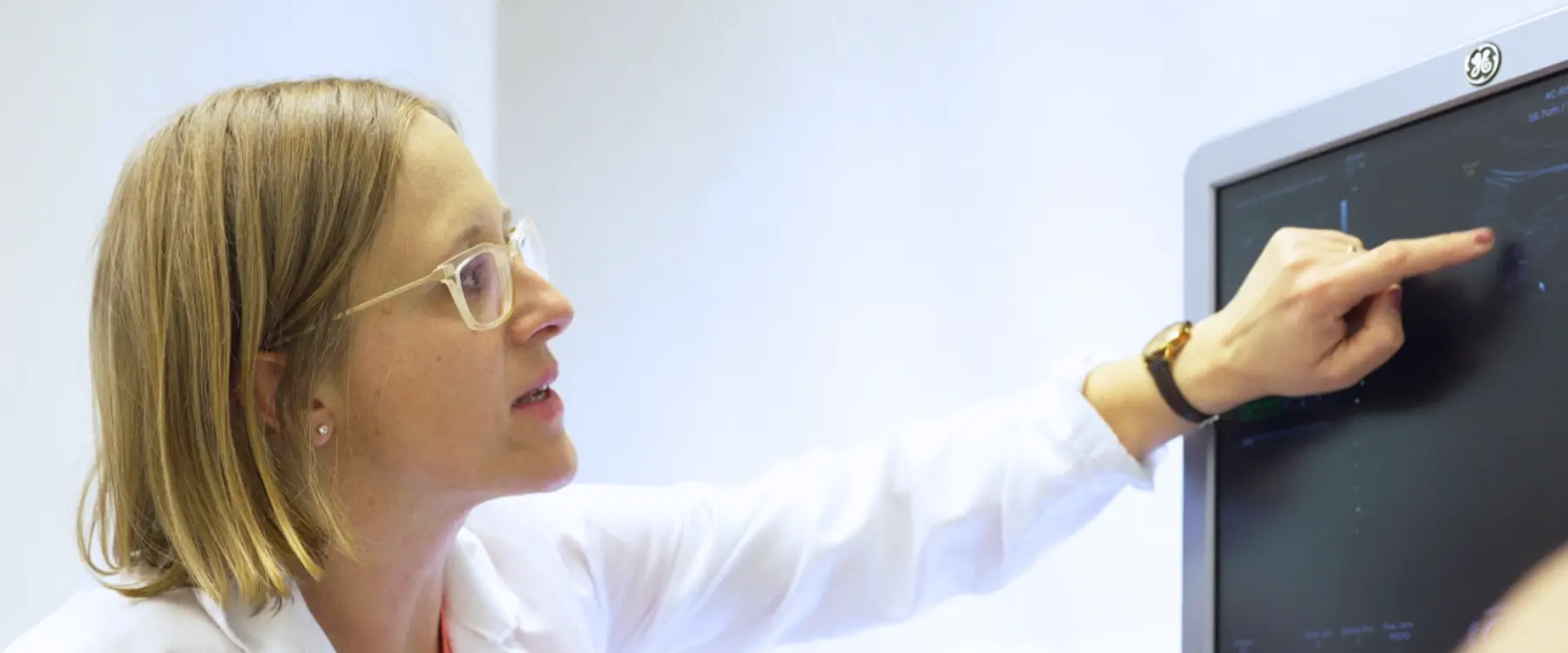
We spoke to Dr Marta Zermiani, a fertility specialist and strategic director of clinical operations at Vida Fertility, about the financial compensation that egg donors receive in Spain.


How much do they pay for donating eggs?
When you donate eggs, you are not paid for the eggs themselves; you may receive compensation for the inconvenience and expenses arising from the process.
This distinction is crucial.
“Saying ‘I get paid for donating eggs’ can lead to a misconception, because in Spain gamete donation must be voluntary, formal and confidential. Law 14/2006 stipulates that the donation of gametes and pre-embryos is a voluntary arrangement between the donor and the authorised centre,” emphasises Dr Marta Zermiani.
In practice, the clinic informs the donor about how the compensation is managed, when it is paid and what it covers, always in accordance with current regulations.
At Vida Fertility, this point is explained before the process begins so that the donor can make a free, informed decision without any pressure.
How much do they pay you in Spain for donating eggs?
In Spain, there is no set price for donating eggs. Eggs are not sold, and donation cannot become a commercial activity.
What does exist is financial compensation. In the assisted reproduction sector in Spain, we recognise that the patient will undergo a medical procedure; therefore, we understand that this will always be regarded as compensation for inconvenience, travel and work-related expenses, not as payment for the eggs.
Donating eggs in Spain is a voluntary, anonymous and altruistic act.
What does the compensation for donating eggs cover?
In Spain, women are not paid for their eggs. Donation is voluntary and altruistic. Financial compensation may cover physical discomfort, travel, time spent and other inconveniences arising from the donation process. These include:
| Category | What it means |
|---|---|
| Physical discomfort | Bloating, mild abdominal discomfort, medical check-ups, medication and recovery after the egg retrieval. |
| Travel | Visits to the clinic for interviews, tests, ultrasound scans, monitoring appointments and egg retrieval. |
| Fertility tests | Complete fertility assessment: gynaecological examination, hormonal evaluation, genetic tests and psychological assessment. |
| Time invested | Personal organisation during the weeks in which the donation process takes place. |
| Medication | All medication required for the process is covered by the fertility clinic. |
| Possible work-related expenses | Absences, shift changes or loss of working time related to the treatment. |
| Medical follow-up | Check-ups, ultrasound monitoring and support from the fertility team. |
Frequently asked questions about donating eggs
Dr Marta Zermiani, a fertility specialist at Vida Fertility, replies:
What are the risks of egg donation?
Egg donation is a medical procedure and, like any procedure, should not be taken lightly. That is why it is essential to have it carried out at an authorised clinic, under the supervision of specialists in assisted reproduction and with medical monitoring.
The National Commission on Assisted Human Reproduction lists possible risks associated with donating eggs, such as: hormonal medication, ovarian stimulation, ovarian puncture and sedation.
How many times can you donate eggs?
Under the Assisted Reproduction Act 14/2006, the number of donations is limited to a maximum of six. Each donor must be registered with SIRHA; it is also very important to emphasise that the final decision always rests with the doctors, as each cycle must be safe for the patient.
How do clinics know how many times I have donated?
Fertility clinics know how many times you have donated because donations are recorded in SIRHA, the Assisted Human Reproduction Information System.
SIRHA enables previous donations to be verified using a unique code, ensures traceability and complies with the legal limit on the number of children born in Spain from the same donor, whilst always protecting confidentiality and anonymity.
What requirements must be met to donate eggs?
To donate eggs in Spain, you must meet a series of requirements for egg donation: you must be of legal age, in good physical and psychological health, have full legal capacity, and pass a mandatory medical assessment.
At Vida Fertility, we assess, amongst other criteria, your age, psychological state, medical test results, and genetic and hereditary history.
What does Spanish law say about anonymity and donating eggs?
Law 14/2006 on Assisted Human Reproduction Techniques stipulates that donation is a formal, confidential contract provided free of charge.
It must not be for profit and any compensation (if any) may only cover physical discomfort and related expenses (travel/work-related costs), without constituting a financial incentive.
It also stipulates that donation is anonymous and confidentiality must be guaranteed.
Furthermore, the law sets a maximum number of children born in Spain using gametes from the same donor, which must not exceed six.
Donating eggs at Vida Fertility
If you’ve come this far, it’s probably not just out of curiosity. You’re likely considering donating eggs.
At Vida Fertility, we offer high-quality reproductive medicine, cutting-edge technology and personalised support to make you feel confident every step of the way.
If you’d like, the next step is simple: book an information session at Vida Fertility and we’ll have a chat, with no obligation.
Ask for a consultation
You may also like




Last news


Testimonials






Best clinics for egg donation in Spain

📍 C/ Palermo 15, Hortaleza, 28043 Madrid
📞 Phone number: +34 919 29 83 23
🕒 Opening hours: Monday to Friday from 8am to 7pm
📍 Av. Óscar Esplá 1, Bajo, 03008 Alicante
📞 Phone number: +34 919 29 83 23
🕒 Opening hours: Monday to Friday from 8am to 7pm
ℹ️ The information published on Vida Fertility is reviewed by our fertility specialists and medical team, following up-to-date scientific criteria and evidence-based medicine. Our team is a member at scientific societies such as SEF, ESHRE and SEGO.