
 Español
  Français
  Deutsch
  Italiano
  Nederlands
  International
Menopause and pregnancy: is it possible?

Although the natural ability to conceive decreases, techniques such as In Vitro Fertilisation (IVF) or Ovodonation and the use of donated or frozen embryos provide possibilities for women with menopause.
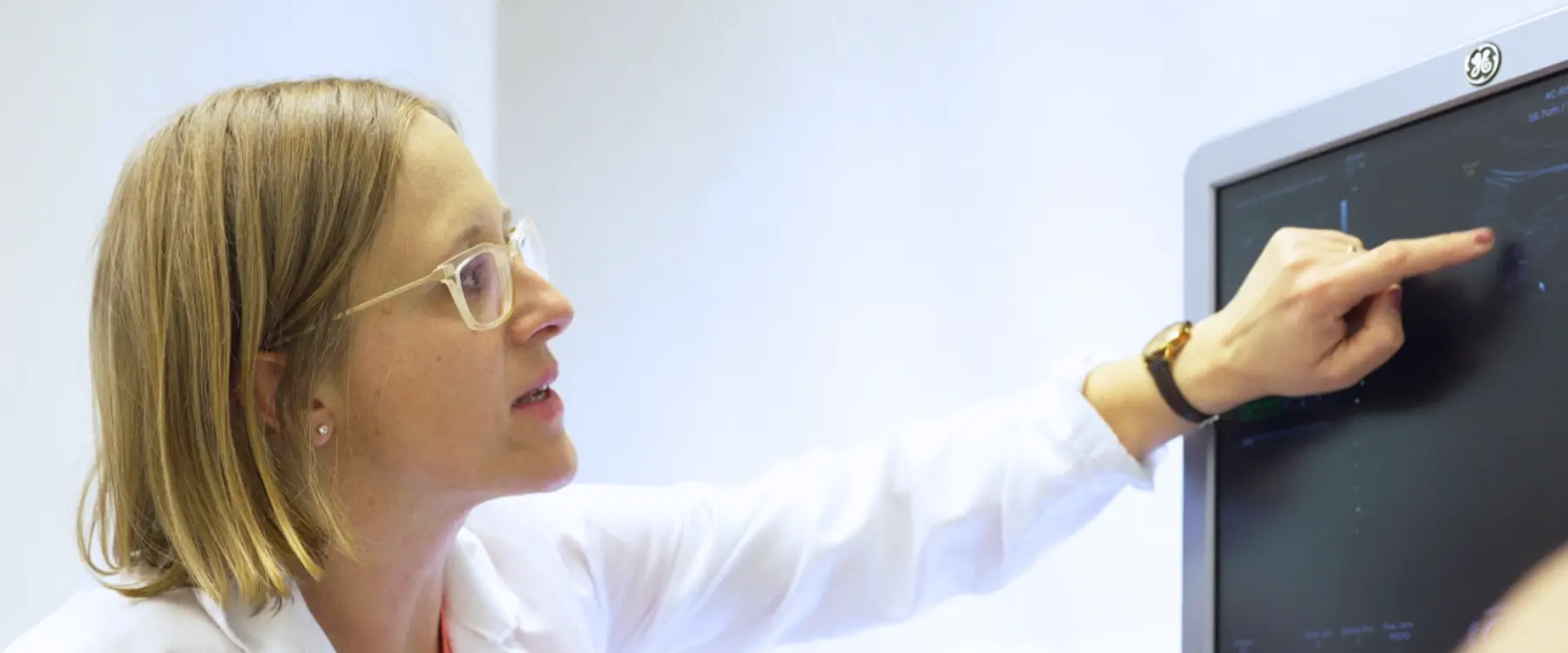
We talked to medical director Dr. Katharina Spies about menopause and pregnancy.


Menopause is a natural process that occurs (usually between the ages of 45 and 55, although the exact age can vary) when your body no longer produces enough hormones to maintain the menstrual cycle.
From birth, women have a limited number of eggs in their ovaries. As they age, the ovarian reserve (the number of eggs) decreases, as does the production of reproductive hormones. This progressive decline leads to irregular menstrual cycles until they eventually cease altogether, resulting in menopause.
Symptoms and stages of menopause
Menopause is divided into three main stages:
- Perimenopause: This is the phase before menopause, and can last for several years. During this period, women may experience symptoms such as irregular menstrual cycles, hot flushes, night sweats, mood swings, fatigue and difficulty sleeping. Although fertility decreases during perimenopause, it is still possible for ovulation to occur irregularly and therefore to become pregnant naturally.
- Menopause: Menopause is confirmed when a woman has gone 12 consecutive months without menstruating. The ovaries stop releasing eggs and the production of reproductive hormones is significantly altered or decreased At this stage, unfortunately, it is unlikely to become pregnant naturally because the body no longer produces eggs.
- Postmenopause: This is the phase after the menopause. Symptoms may continue for several years, but usually decrease over time. Fertility has been reduced to zero, but the desire to become a mother may persist for many women.
Is it possible to get pregnant during the menopause: technologies and treatments available?
Although menopause marks the natural end of fertility, there are options in reproductive medicine that can make pregnancy possible for women at this stage.
If a woman is in perimenopause and still ovulates occasionally, there are chances of natural pregnancy, although they are quite low. However, for women in menopause or post-menopause, assisted reproductive techniques are necessary.
*In Spain, the maximum age for fertility treatment is 50 years old. In any case, the relevant fertility tests must be carried out so that the health of the mother and the future baby are not at risk.
Ovodonation or IVF with egg donation – menopause and pregnancy
This is the most common option for women who have reached menopause and wish to have a child. The process involves receiving eggs from a young, healthy donor, which are then fertilised with the partner’s sperm or that of a sperm donor.
The resulting embryos are transferred into the uterus of the mother, who will carry the pregnancy. Egg donation has a high success rate, even for women who are past menopause, as the uterus is still capable of carrying and developing a pregnancy if it is properly prepared.
In vitro fertilisation (IVF) with own eggs – menopause and pregnancy
For women in perimenopause who are still ovulating, it is possible to attempt IVF treatment with their own eggs. In this case, ovarian stimulation is performed to obtain mature eggs and, after fertilisation in the laboratory, they are transferred to the uterus. Although success rates are lower due to the limited quality and quantity of eggs, it may be a viable option for some women.
FIV with PGT-A– menopause and pregnancy
This is an advanced assisted reproductive technique that improves the chances of success of In Vitro Fertilisation (IVF), especially for women in perimenopause.
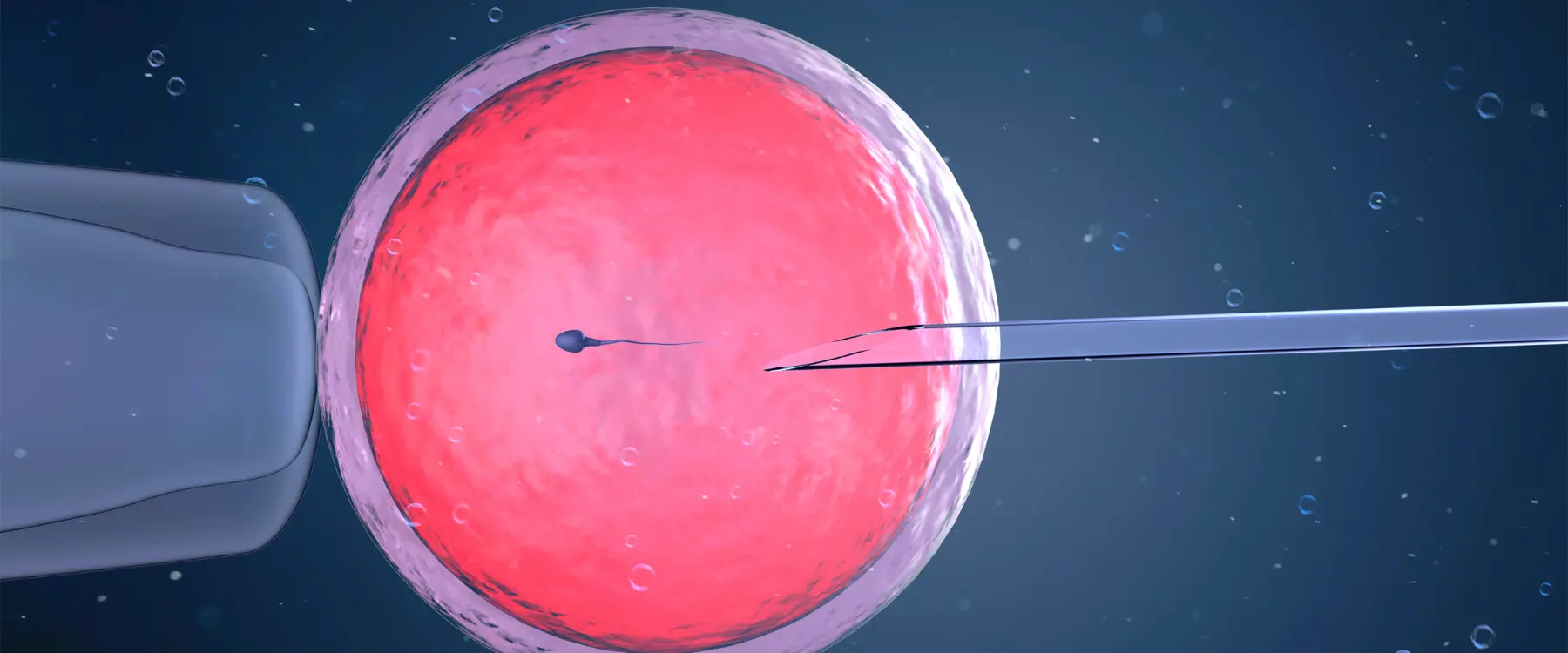
During this process, an embryo biopsy is performed to analyse the number of chromosomes in the embryos created by IVF, which allows the selection of those that are genetically normal before transferring them to the uterus.
Embryo vitrification – menopause and pregnancy
This treatment is especially useful for women who, before their 35th birthday, decided to preserve their fertility by freezing their own eggs or embryos. Thanks to this technique, women can opt for a future pregnancy using their own fertilised eggs, despite having reached menopause.
Vitrification ensures that embryos are maintained in optimal conditions until the time of transfer to the uterus, thus guaranteeing higher success rates in fertility treatment.
Frequently asked questions about menopause and pregnancy
Risks in pregnancy and menopause
Dr. Katharina Spies answers:
Becoming pregnant during the menopause can pose certain risks to both mother and baby.
As a woman ages, the chances of complications during pregnancy increase, such as hypertension, gestational diabetes, pre-eclampsia and premature birth.
There is also an increased risk of chromosomal abnormalities in the baby. However, with a good previous evaluation and a rigorous follow-up, current medical advances make it possible to minimise these risks, especially if the pregnancy is achieved through assisted reproduction techniques.
At Vida Fertility, we always carry out an exhaustive evaluation of each patient to ensure that the pregnancy is carried out as safely as possible.
How do fertility treatments affect women in menopause?
Dr. Katharina Spies answers:
Fertility treatments for women in menopause usually involve the use of donor eggs, as the ovaries have stopped producing eggs of their own.
In order to receive the embryo, patients must undergo a hormonal preparation to condition the uterus and make it receptive to the embryo. This hormonal preparation usually includes oestrogen and progesterone, which help prepare the endometrium for embryo implantation.
Although menopausal women do not ovulate, their uterus may still be viable to carry a pregnancy with the help of appropriate treatments.
Is there an age limit for fertility treatments in Spain?
Dr. Katharina Spies answers:
Although there is no legally established age limit for fertility treatments in Spain, most clinics, including Vida Fertility, usually have an age limit of 50 years, mainly for reasons of safety and well-being for both mother and baby.
This limit, also recommended by the SEF (Spanish fertility society) is set to avoid possible pregnancy-related complications at older ages and the general health of the patient is always taken into consideration before starting any treatment.
Pregnancy possibilities in menopause
Dr. Katharina Spies answers:
Unfortunately, the chances of getting pregnant naturally during menopause are nil, as the ovaries stop releasing eggs. However, thanks to assisted reproduction treatments, pregnancy is still a possibility for women who have entered the menopause.
The most common technique in these cases is oocyte donation, in which eggs from a donor (suitable for each patient) are used to create embryos that are transferred into the uterus of the recipient woman. This procedure has very high success rates, offering many women the opportunity to become mothers, even after menopause.
Probability of becoming pregnant in the pre-menopause
Dr. Katharina Spies answers:
During premenopause, which is the stage before menopause, menstrual cycles become irregular but women can still ovulate occasionally.
Therefore, although fertility decreases considerably, there is still a chance of natural pregnancy. However, due to the decrease in egg quality and quantity, it may be more difficult to conceive without help.
If a woman wishes to become pregnant at this stage, she may consider treatments such as In Vitro Fertilisation (IVF) to increase her chances.
What is perimenopause?
Dr. Katharina Spies answers:
Perimenopause is the transitional phase before menopause. It can begin several years before menstrual periods disappear completely. During this phase, hormone levels begin to fluctuate and women may experience symptoms such as irregular menstrual cycles, hot flushes, mood swings and night sweats. Although fertility decreases during perimenopause, women can still become pregnant,
Although menopause marks the end of natural ovulation, it does not necessarily mean the end of the dream of becoming a mother. Thanks to advances in assisted reproductive techniques, such as egg donation, women in menopause may still have the opportunity to conceive and carry a pregnancy to term.
At Vida Fertility, we understand the importance of this dream and offer a personalised approach to each patient, accompanying them throughout the process. If you are in menopause and want to explore options to get pregnant, we are here to help.
Our fertility treatments



Vida Fertility Events
At Vida Fertility, we believe that feeling informed is the first step towards a more confident fertility journey.
Through our events, talks and private consultations, we help patients understand their options, ask questions and receive personalised guidance from our fertility specialists in Spain.
Discover our upcoming events and meet the Vida Fertility team.
Ask for a consultation
You may also like


Last news


Testimonials


The best fertility clinics in Spain

📍 C/ Palermo 15, Hortaleza, 28043 Madrid
📞 Phone number: +34 919 29 83 23
🕒 Opening hours: Monday to Friday from 8am to 7pm
📍 Av. Óscar Esplá 1, Bajo, 03008 Alicante
📞 Phone number: +34 919 29 83 23
🕒 Opening hours: Monday to Friday from 8am to 7pm
ℹ️ The information published on Vida Fertility is reviewed by our fertility specialists and medical team, following up-to-date scientific criteria and evidence-based medicine. Our team is a member at scientific societies such as SEF, ESHRE and SEGO.