
 Español
  Français
  Deutsch
  Italiano
  Nederlands
  International
Can a cytology test determine fertility? Discover what it detects, its relationship to HPV, and when it is ordered before IVF.

A cytology is one of the most common tests for female fertility carried out as part of a gynaecological check-up and plays a key role in the prevention of cervical cancer.
Although many women have heard of a cytology or ‘Pap test’, it is normal to have questions about what it involves, whether it hurts, or when it should be carried out.
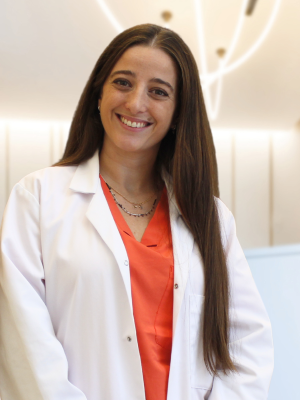
In this article, Dr Alejandra García-Villalba, a gynaecologist specialising in fertility and medical director of Vida Fertility Alicante, explains the link between cytology and fertility, how the test is carried out and what happens if the result is abnormal prior to IVF.

- What is a cytology?
- How is a cytology carried out?
- Who should have a cytology?
- What is a cytology used for?
- What do the results of a cytology mean?
- How do conventional cytology and liquid-based cytology differ?
- Cytology and fertility: why is it important before trying to conceive?
- Cytology and HPV: what is the link?
- Frequently asked questions about cervical screening and fertility.
- Our fertility treatments
- The best fertility clinics in Spain
What is a cytology?
A cytology involves taking a small sample of cells from the cervix for subsequent analysis in the laboratory. Using a microscope, the specialist team can check whether the cells show any changes, signs of infection or abnormalities related to the human papillomavirus, known as HPV.
How is a cytology carried out?
A cytology is carried out during a gynaecological examination. The specialist gently inserts a speculum to view the cervix and collects a small sample of cells using a brush.
This sample is preserved and sent to the laboratory for analysis. The procedure usually takes just a few minutes and does not require anaesthesia or any complex preparation.
In some cases, the same sample may also be used to carry out an HPV test, depending on the patient’s age, the reason for the consultation or the prescribed medical protocol.
How should you prepare for a cytology?
A cytology does not require any special preparation, but it is advisable to follow a few recommendations to ensure the sample is as reliable as possible:
- Avoid having sexual intercourse in the 24–48 hours prior to the test, as advised by your doctor.
- Do not have the test whilst you are menstruating or if you are actively bleeding.
- Avoid using pessaries, vaginal creams or topical treatments immediately before the test.
- Let the healthcare professional know if you are pregnant, if you have a vaginal infection or if you have had abnormal results previously.
It is best to ask any questions you may have before your appointment, particularly if you are using vaginal medication or if you have any symptoms.
Is a cytology painful?
A cytology is not usually painful, although you may feel a slight discomfort when the speculum is inserted or when the sample is taken from the cervix. It is a quick procedure and, in some cases, you may experience a little spotting after the test.

Who should have a cytology?
In Spain, cervical cancer screening is generally recommended for women aged between 25 and 65. For women aged between 25 and 29, a cytology may be recommended every three years; from the age of 30 onwards, priority is usually given to high-risk HPV testing every five years.
Follow-up may be more frequent in cases of previous abnormal cytology results, a history of cervical lesions, persistent HPV infection or immunosuppression. The frequency of screening does not depend solely on sexual activity, but on age, previous results, vaccination status and each patient’s risk factors. It is therefore important to follow the advice of the healthcare professional responsible for the screening.
What is a cytology used for?
A cytology is mainly used to detect cellular changes in the cervix. This is important because many early-stage lesions do not cause any symptoms and may go unnoticed for years.
What conditions does a cytology detect?
The conditions or abnormal results that a cytology can detect include:
- Mild or moderate cellular changes due to the menopause.
- Premalignant or precancerous lesions in the cervix.
- Signs consistent with HPV infection.
- Certain vaginal or cervical infections.
- Abnormalities requiring follow-up or further tests.
What do the results of a cytology mean?
A normal or negative result indicates that no significant abnormalities have been observed in the cells analysed. In this case, routine screening continues in accordance with age and protocol.
Sometimes the result may be ‘unevaluable’ or ‘insufficient’, meaning that the sample does not allow for a proper analysis. In this case, the test is usually repeated.
If the result is positive or shows abnormalities, this does not necessarily mean that cancer is present. Many abnormal results are related to infections, inflammation or minor changes that only require monitoring. Terms that may appear include ASC-US, LSIL or HSIL, and each requires a different assessment.
Where the results warrant it, the specialist may request an HPV test, a colposcopy or a biopsy to examine the cervix more closely.
How do conventional cytology and liquid-based cytology differ?
Conventional cytology and liquid-based cytology both analyse cells collected from the cervix to detect cellular abnormalities or precancerous lesions. The main difference lies in how the sample is preserved and prepared:
- In conventional cytology, the cells are smeared directly onto a glass slide.
- In liquid-based cytology, the brush is placed into a container containing a preservative solution. The laboratory then prepares a uniform layer of cells, which facilitates analysis and reduces the presence of blood, mucus or other elements that could make interpretation difficult.
The HPV test, on the other hand, does not examine the appearance of the cells, but rather detects the presence of high-risk types of human papillomavirus associated with the development of cervical lesions. A cytology shows whether there are any cellular changes, whilst the HPV test determines whether the virus that may cause them is present.
In some cases, both tests can be carried out using the same sample. Neither test, on its own, provides information about ovarian reserve, ovulation or fallopian tube patency; therefore, they are not a substitute for a female fertility check-up.
Cytology and fertility: why is it important before trying to conceive?
If you are trying to conceive or are about to start assisted reproduction treatment, having your gynaecological health checked is an important step. A cytology test does not measure fertility, but it helps to detect cervical abnormalities or infections that may need to be managed before moving forward with your plans to have a baby.
At Vida Fertility, if you are trying to conceive and have concerns about your reproductive health, we can assess your case on an individual basis and advise you on the most appropriate tests based on your age, medical history and goals.
Cytology and HPV: what is the link?
HPV is a very common sexually transmitted infection. In most cases, the immune system clears it spontaneously, but when certain high-risk types of HPV persist over time, they can cause changes in the cells of the cervix.
A cytology examines cellular changes. The HPV test detects the presence of high-risk types of the virus. In certain protocols, both tests can be carried out using the same sample, but they are not equivalent tests.
For this reason, cytology and HPV tests are key tools in cervical cancer screening. The cytology looks for existing cellular changes, whilst the HPV test detects the presence of high-risk types of the virus.
Frequently asked questions about cervical screening and fertility.
Dr García-Villalba, a fertility specialist at Vida Fertility Alicante, replies:
How often should you have a cytology?
The frequency depends on your age, personal medical history, HPV vaccination status and previous results.
Generally speaking, in Spain, the cervical cancer screening programme is aimed at women aged between 25 and 65. For women aged between 25 and 29, a cytology may be recommended every 3 years in certain cases. For women aged between 30 and 65, the main test is usually screening for high-risk HPV every 5 years if the result is negative.
Does a normal cytology rule out cervical-related infertility?
No. A normal cytology does not rule out infertility due to a cervical factor. This test analyses cells from the cervix to detect possible abnormalities, but it does not assess the quality of cervical mucus or its interaction with sperm. Therefore, when pregnancy does not occur, a more comprehensive fertility assessment is necessary to identify other possible causes.
At Vida Fertility, we can assess your case on an individual basis and recommend the most appropriate tests. Book a consultation with our medical team.
Can endometriosis be detected by a cytology?
No. A cytology analyses cells from the cervix, so it cannot be used to diagnose or rule out endometriosis.
To detect endometriosis, the specialist will assess your symptoms and may request a transvaginal ultrasound scan or an MRI scan. In some specific cases, a laparoscopy may also be necessary.
Therefore, a normal cytology does not rule out endometriosis or other problems that may affect fertility.
When should a cytology be postponed or delayed?
It is advisable to postpone a pap smear test if you are having your period, are experiencing active bleeding or are being treated for a vaginal infection, as these situations can make it difficult to analyse the sample. During pregnancy, it is usually only carried out when there is a specific medical indication.
Cervical cancer screening is generally aimed at women aged between 25 and 65. Not having had sexual intercourse should not, in itself, be considered an absolute contraindication; the specialist will assess each case individually.
A cytology t is part of your gynaecological care, but it cannot, on its own, explain why you are not getting pregnant.
If you are trying to conceive, have received a cytology result that concerns you, or want to know what tests you need before IVF, artificial insemination or egg donation, at Vida Fertility we will review your medical history on an individual basis.






Vida Fertility Events
At Vida Fertility, we believe that feeling informed is the first step towards a more confident fertility journey.
Through our events, talks and private consultations, we help patients understand their options, ask questions and receive personalised guidance from our fertility specialists in Spain.
Discover our upcoming events and meet the Vida Fertility team.
Ask for a consultation
You may also like




Last news


Testimonials







The best fertility clinics in Spain

📍 C/ Palermo 15, Hortaleza, 28043 Madrid
📞 Phone number: +34 919 29 83 23
🕒 Opening hours: Monday to Friday from 8am to 7pm
📍 Av. Óscar Esplá 1, Bajo, 03008 Alicante
📞 Phone number: +34 919 29 83 23
🕒 Opening hours: Monday to Friday from 8am to 7pm
ℹ️ The information published on Vida Fertility is reviewed by our fertility specialists and medical team, following up-to-date scientific criteria and evidence-based medicine. Our team is a member at scientific societies such as SEF, ESHRE and SEGO.