
 Español
  Français
  Deutsch
  Italiano
  Nederlands
  International


What is IVF and why can it failed?

IVF, or in vitro fertilisation, is an assisted reproduction procedure that aims to facilitate conception by combining eggs and sperm in a laboratory. Despite technological advances, it does not always result in pregnancy.
The causes of a failed IVF cycle can be factors such as the quality of the eggs or sperm, the response of the endometrium, and genetic aspects of the embryos.
It is important to remember that each case is unique and a negative result does not mean the end of the road to parenthood.
After a failed IVF: When does the period start again?

Following a negative IVF result, a woman’s menstrual cycle may experience temporary disturbances.
Generally, menstruation is expected to begin within two weeks after a negative result, although the exact timing may vary depending on the individual woman’s response to treatment and hormonal cycle.
It is essential to maintain open communication with your fertility specialist to monitor your reproductive health and receive advice on next steps.
Causes of a failed IVF
The reasons behind a failed IVF cycle can be diverse and complex, ranging from egg and sperm quality to uterine problems and embryo implantation challenges.
- Egg quality and sperm quality are critical; sperm abnormalities can prevent fertilisation or healthy embryo development.
- Uterine problems, such as anatomical abnormalities or conditions such as endometriosis, can hinder embryo implantation.
- The embryo implantation phase is critical and can be affected by immunological or endometrial factors that prevent the embryo from nesting properly in the uterus.
Each of these factors plays a significant role in the success of IVF, and identifying them allows specialists to tailor treatments to improve the chances of success in future cycles.

Studies and tests after negative IVF result
In a fertility clinic, following a negative IVF pregnancy test, several tests are performed to diagnose the cause. These may include:
- Hormone tests to assess ovarian function
- Sperm quality
- Genetic tests to detect possible chromosomal abnormalities
- Studies of the uterine cavity such as hysteroscopy and transvaginal ultrasound to examine the uterus and fallopian tubes
- Evaluation of the endometrium to ensure its receptivity.
These tests help to identify specific factors that may have contributed to the negative result and guide future treatment.

What to do after a failed IVF cycle?
After a negative IVF, it is crucial to take care of yourself both physically and emotionally.
- First, allow yourself to feel and express your emotions; it is natural to feel sadness or frustration.
- Seek support from your partner, close family members, or a support group, where you can share your experiences and feel understood.
- Also consider the help of a mental health professional who specialises in fertility.
- Physically, maintain a healthy lifestyle with a balanced diet, moderate exercise, and avoid stress as much as possible.
Before deciding on next steps, such as repeating the IVF cycle or exploring other treatment options such as egg donation, give your body and mind time to recover.
According to Dr Spies, “The key is not to lose hope and to remember that there are multiple paths to parenthood”.
Treatment options after unsuccessful IVF cycle
Our assisted reproduction specialists say there are several alternatives to consider.
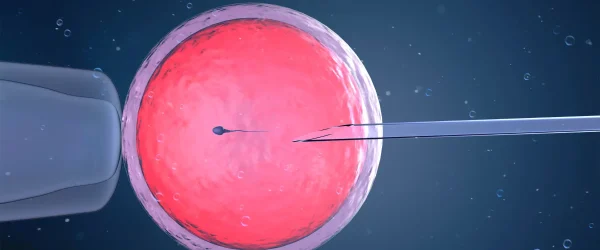
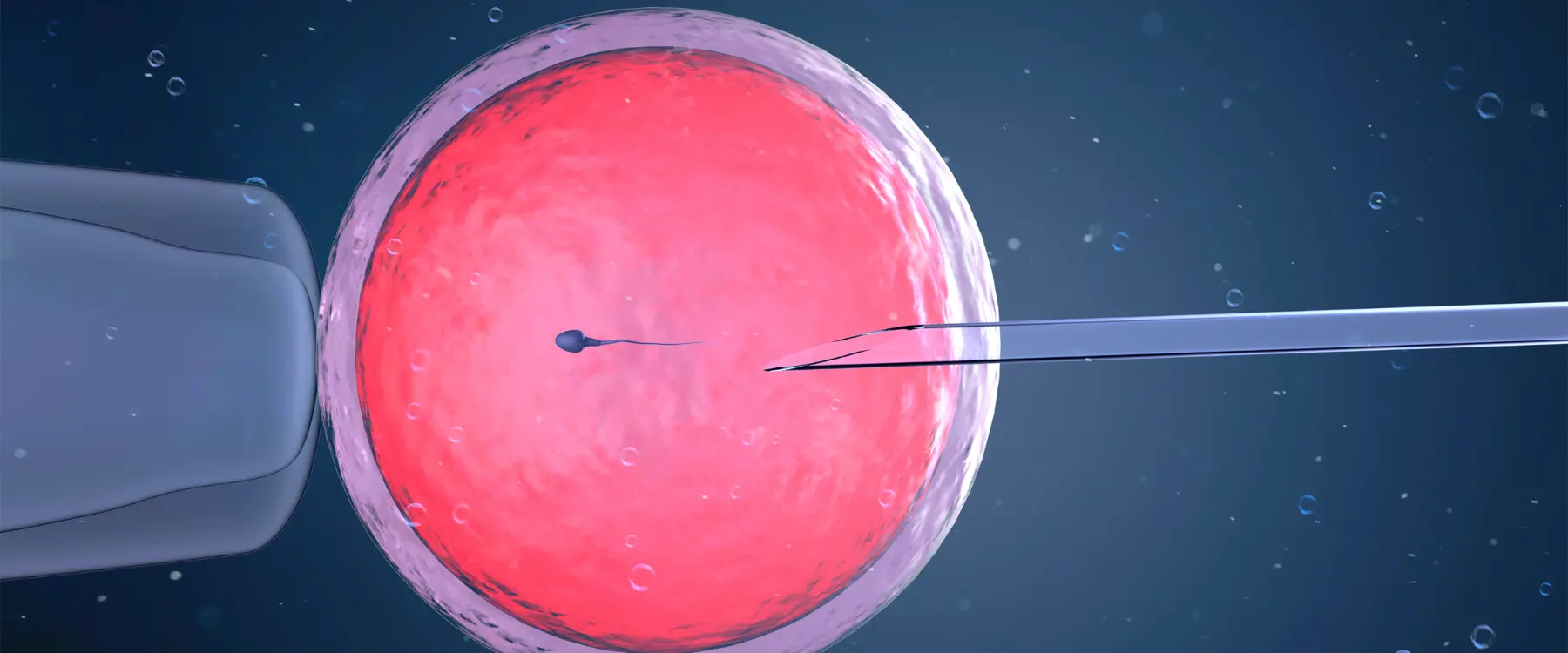
“One can choose to repeat the IVF process, adjusting the treatment based on the analysis of the previous failure. Other assisted reproductive techniques, such as intracytoplasmic sperm injection (ICSI), may be recommended depending on the underlying cause of infertility.
Egg donation or embryo adoption are viable options for couples with egg or sperm quality problems. It is important to discuss these alternatives with a fertility specialist to determine the best way forward”. Dr Spies adds

When to resort to egg donation?
Ovodonation can be a viable option in situations where a woman’s ovarian reserve is insufficient for successful IVF treatment.
These cases are:
- Premature ovarian failure
- Early menopause
- After several unsuccessful IVF attempts with her own eggs.
- Cases of genetic diseases that the parents do not wish to pass on.
Opting for egg donation is a deeply personal decision that encompasses more than medical considerations; it touches the heart of what it means to be a mother. In contemplating this path, it opens up emotions, hopes and dreams about motherhood and the possibility of having a child.
This choice not only involves reflecting on physical and financial aspects, but also on the emotional openness to receive the gift of life through a donated egg.

Learn about the requirements for egg donation treatment in Spain: age, indications, medical tests and documentation needed to begin treatment.

Find out about the requirements for egg donation in Spain: age, health, medical tests, the process and what the law says. Get answers to your questions and book an information appointment at Vida Fertility.

Getting pregnant through egg donation offers the highest probability for women over 40. We explain the process, donor selection and success rates.
Ask for a consultation
You may also like




Last news


Testimonials






ℹ️ The information published on Vida Fertility is reviewed by our fertility specialists and medical team, following up-to-date scientific criteria and evidence-based medicine. Our team is a member at scientific societies such as SEF, ESHRE and SEGO.