
 Español
  Français
  Deutsch
  Italiano
  Nederlands
  International
The step-by-step of the reciprocal IVF process in Spain

The Reciprocal IVF or Ropa Method has gained popularity in Spain not only because it allows both mothers to physically participate in the process of conceiving their child, but also because it is backed by progressive legislation that recognises and facilitates various family configurations.
We spoke to Dr. Katharina Spies about the process of the ropa method in Spain, current laws and how to opt for this treatment if you come from outside Spain


- What is the Reciprocal IVF and what does it consist of?
- The process of reciprocal ivf process spain step-by-step
- Legal and Ethical Considerations of the ROPA Method in Spain
- Sperm donor selection for reciprocal ivf process spain
- Best centres to perform reciprocal ivf process in Spain
- Frequently asked questions about the ROPA method
- Our fertility treatments
- Where can I find Vida Fertility centres in Spain?
What is the Reciprocal IVF and what does it consist of?
The reciprocal IVF or, ROPA method, or Reception of Oocytes from the same Couple, is an assisted reproduction technique specially designed for couples of women who wish to actively share the process of motherhood.
One of the women provides the eggs and the other gestate the baby, strengthening the emotional and biological bond of both with their future child.
The process of reciprocal ivf process spain step-by-step
1. First assessment or visit – Reciprocal ivf process spain
Before we begin, we conduct a thorough assessment, either online or in person, to understand your situation and create a tailored plan. At this time, if you have any fertility tests or examinations done, it is a good time to evaluate it with Vida Fertility’s doctor.
2. Choosing the birth and surrogate mother
This crucial step, this is where you choose, with your wishes and the diagnostic tests, who will be the birth mother and who will be the gestational mother.
At Vida Fertility we respect your wishes and expectations, handled with the utmost sincerity and empathy to achieve a successful pregnancy as soon as possible. However, depending on the results of the diagnostic tests, the fertility specialist will provide their recommendation and advice.
3. Cycle Synchronisation – Reciprocal ivf process spain
At Vida Fertility it is essential to synchronise the cycles of both mothers to facilitate fresh embryo transfer, using contraceptives to align their menstrual cycles.
4. Simultaneous preparation: Stimulation and Endometrial
Both mothers begin simultaneous treatments: ovarian stimulation for the mother who will donate her eggs and endometrial preparation for the mother who will carry the baby.
This stage of the Ropa process usually lasts 10 to 15 days.
5. Egg retrieval or ovarian puncture – Reciprocal ivf process spain
We perform the ovarian puncture in a quick procedure under mild sedation to extract eggs without discomfort, using transvaginal ultrasound without the need for hospitalisation.
It takes approximately 15 to 30 minutes to perform the ovarian puncture.
6. Sperm donor selection
At Vida Fertility, we collaborate exclusively with specialised sperm banks that follow strict and safe medical protocols. These banks are regulated by national and international regulations that guarantee the quality and safety of each sample.
7. Fertilisation and Embryo Development – Reciprocal ivf process spain
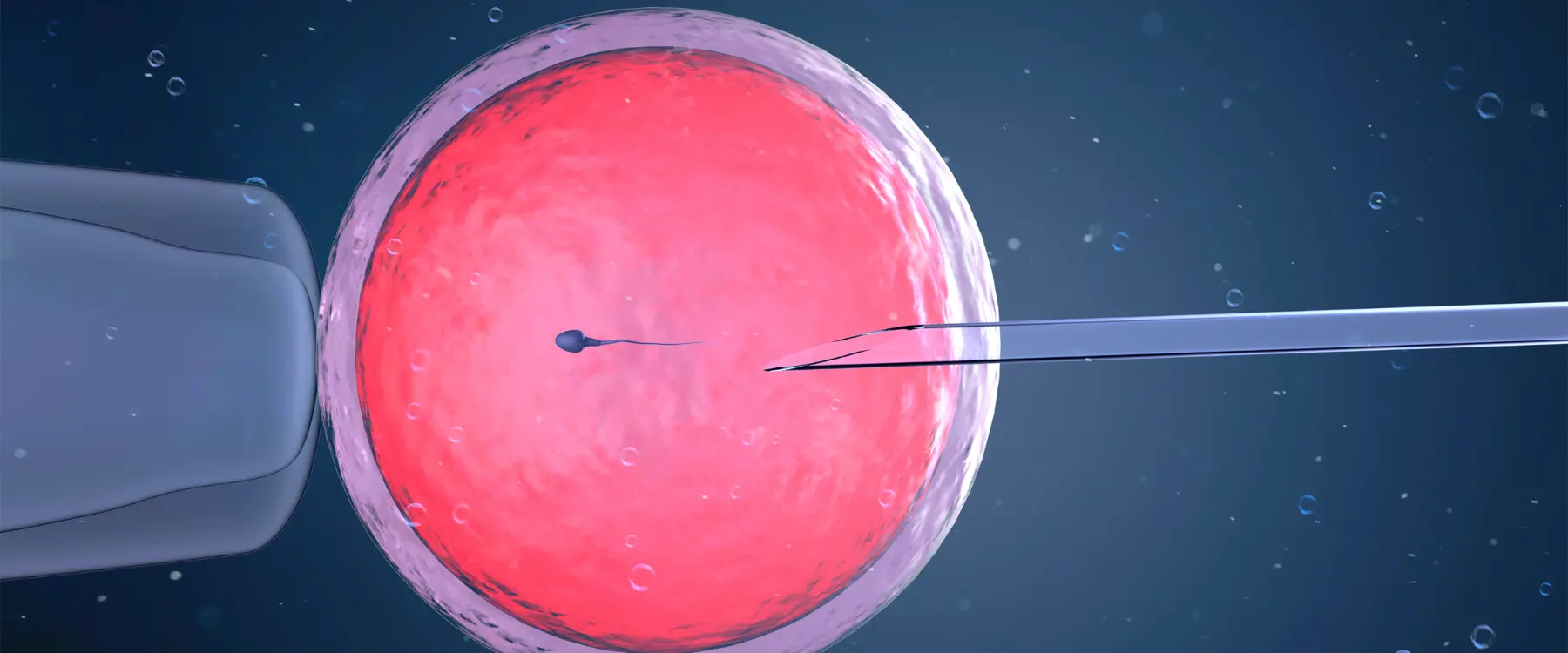
The eggs are fertilised in the laboratory with anonymous donor sperm, most of the time we perform the microinjection with the ICSI technique, and the embryos are cultured until the blastocyst stage to maximise the probability of success.
8. Embryo Transfer
On the 5th or 6th day of oembryonic development, the best embryo (selected by our laboratory specialists according to embryo morphology criteria) is transferred to the uterus of the pregnant mother in a simple process without anaesthesia.
9. Conservation of surplus embryos – Reciprocal ivf process spain
Quality embryos that are not used (supernumerary embryos) are vitrified using advanced techniques, allowing them to be used in the future when the couple is ready to expand the family.
10. Pregnancy Confirmation
After the transfer, the ‘beta wait’ begins. Pregnancy testing is done two weeks later with a blood test for the hormone hCG.
Legal and Ethical Considerations of the ROPA Method in Spain
In Spain, the ROPA method is carefully regulated under Law 14/2006 on Assisted Human Reproduction Techniques.
The law guarantees the confidentiality and anonymity of gamete donors, ensures equality and non-discrimination based on sexual orientation, and establishes clear consent and safety protocols that clinics must follow.
This legal framework not only underlines Spain’s commitment to reproductive rights and family diversity, but also establishes a safe and ethical environment for assisted reproductive techniques, making the country a benchmark in Europe for progressive and respectful reproductive health legislation.
Sperm donor selection for reciprocal ivf process spain
As we have already mentioned, at Vida Fertility we collaborate with specialised sperm banks to carry out this treatment.
The anonymity of the donor is fully guaranteed, in accordance with Spanish legislation, ensuring that neither the donor nor the future parents can know each other’s identity. During the selection process, special attention is paid to phenotypes to ensure the greatest possible compatibility with the physical characteristics of the mothers, thus optimising the chances of the child sharing traits with them. This approach ensures not only the quality and safety of the experience, but also an ethical and personalised alignment with the wishes and expectations of each couple.
Best centres to perform reciprocal ivf process in Spain
At Vida Fertility, we are proud to be one of the leading centres for the best clinic for ROPA method in Spain.
Our clinics are staffed by teams of expert specialists who are deeply committed to helping couples realise their dream of starting a family.
We offer modern facilities that are strategically located to ensure accessibility and comfort for all our patients. In addition, we use advanced technology in assisted reproduction to guarantee the best possible results.
At Vida Fertility, every detail is thought out to provide an exceptional experience, ensuring that each step of the treatment is handled with the utmost care and professionalism.


Interested in the ROPA Method? Contact Vida Fertility for more information and personalised advice.
Frequently asked questions about the ROPA method
How long does the entire ROPA method process take?
Dr. Spies responds:
The duration can be adjusted according to how each patient reacts to the treatment and the clinic’s specific protocols.
The ROPA Method treatment at Vida Fertility usually lasts four to six weeks, beginning with the synchronisation of the two mothers and culminating in the embryo transfer.
What is the success rate of the ROPA Method?
Dr. Spies responds:
The rates are similar to conventional IVF, with variations depending on age and egg quality. At Vida Fertility, we have one of the best success rates in Europe.
What are the requirements for the ROPA Method?
Dr. Spies responds:
To begin the ROPA method, the couple must meet certain basic requirements:
- Be of legal age
- Have full capacity to act voluntarily
- Give informed consent
- Not suffer from serious illnesses that could compromise the health of the mother or the future baby.
In addition, it is essential that the woman who will provide the eggs has an adequate ovarian reserve, as this will determine the possibility of obtaining a sufficient number of good quality oocytes. If the ovarian reserve is low, the medical team may recommend alternatives or adjust the treatment to optimise results.
Another key aspect is the use of anonymous donor semen, as established by Spanish law. The selection of the donor is always carried out by the medical team, based on criteria of genetic, phenotypic and immunological compatibility, with the aim of guaranteeing the safety of the treatment and the health of the future baby.
As for the legal framework, Spanish legislation recognises the right to motherhood for all women, regardless of their marital status or sexual orientation. Since 2007, dual motherhood can be registered in the Civil Registry when the couple is married, and Law 4/2023 extends this recognition to unmarried couples as well, placing them on an equal footing with heterosexual couples.
Embryos generated in ROPA treatment legally belong to both women, so they can be transferred to either of them in subsequent cycles, unless there is a specific medical indication that limits this.
Is there any difference between ROPA and IVF?
Dr. Spies responds:
The main difference is that In Vitro Fertilisation (IVF) is a commonly used assisted reproduction technique, while the ROPA method (Reception of Oocytes from Partner) is a variant designed specifically for female couples who wish to share motherhood.
In this treatment, one of the women provides the eggs, which are fertilised in the laboratory with donor sperm, and the resulting embryo is transferred to the uterus of the other woman, who will carry the pregnancy. In this way, both women actively participate in the reproductive process.
Is the ROPA method better than other techniques (insemination, donor IVF)?
Dr. Spies responds:
There is no ‘best’ treatment, only the most appropriate one for each case. Artificial insemination is less invasive, but has a lower success rate. IVF with a donor allows pregnancy if there is no good ovarian reserve. The ROPA method is ideal for female couples who both want to participate actively: one with her eggs and the other with the pregnancy. At Vida Fertility, we study each case to offer the most effective and personalised alternative.
What happens if one of the women has low ovarian reserve?
Dr. Spies responds:
In that case, we evaluate alternatives: from using the other woman’s eggs to considering an external donation. We always seek to keep the shared motherhood project as intact as possible.
How does the ROPA method differ from artificial insemination?
Dr. Spies responds:
Artificial insemination only allows for the participation of one biological mother. In contrast, the ROPA method involves both: one as the genetic mother and the other as the gestational mother, creating a unique bond from the beginning.
Ask for a consultation
You may also like


Last news


Testimonials










Where can I find Vida Fertility centres in Spain?

📍 C/ Palermo 15, Hortaleza, 28043 Madrid
📞 Phone number: +34 919 29 83 23
🕒 Opening hours: Monday to Friday from 8am to 7pm
📍 Av. Óscar Esplá 1, Bajo, 03008 Alicante
📞 Phone number: +34 919 29 83 23
🕒 Opening hours: Monday to Friday from 8am to 7pm
ℹ️ The information published on Vida Fertility is reviewed by our fertility specialists and medical team, following up-to-date scientific criteria and evidence-based medicine. Our team is a member at scientific societies such as SEF, ESHRE and SEGO.