
 Español
  Français
  Deutsch
  Italiano
  Nederlands
  International
Benefits of psychoneuroimmunology in fertility
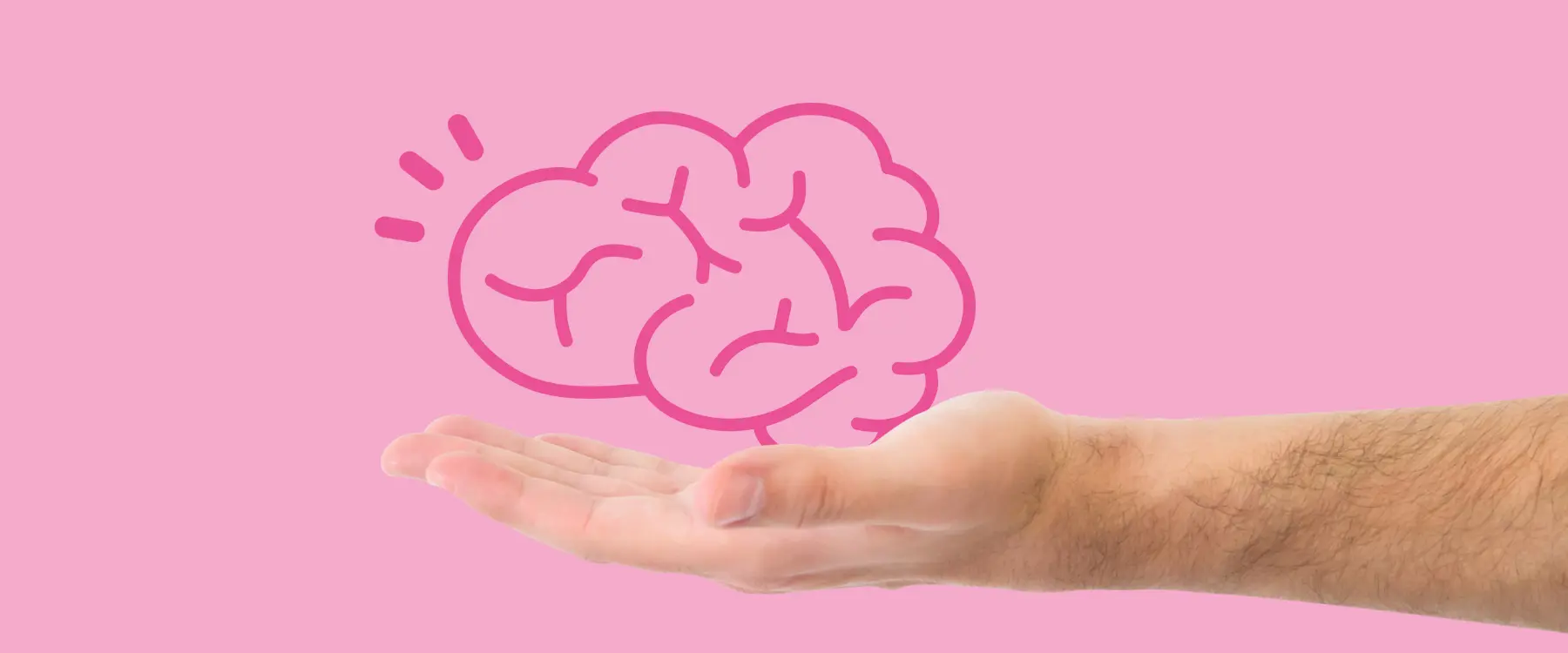
Every woman, every couple, every story is different.
Taking an active role in your fertility treatment, beyond the medical protocol, is key for both patients and the Vida Fertility team.
Integrative medicine is based on a clear principle: treating the person, not just the diagnosis. And this approach is essential in the field of fertility.
In this article, we speak to fertility specialist Dr Elena Santiago about the benefits of psychoneuroimmunology in assisted reproduction treatments.


Psychoneuroimmunology (PNI) studies how emotions, the nervous system, hormones, the immune system, inflammation and the microbiota are related. In other words, it helps us understand why stress, rest, diet or emotional state can influence the body’s overall balance.
When we talk about clinical PNI (PNIc), we are referring to the practical application of this knowledge in healthcare: designing personalised strategies based on nutrition, sport, rest, supplementation, stress management and lifestyle.
In assisted reproduction, this approach does not replace fertility treatments, but it can help better prepare the body before and during the process, particularly in patients with inflammation, chronic stress, digestive disorders, autoimmune diseases or hormonal imbalances.
Benefits of psychoneuroimmunology
Psychoneuroimmunology applied to fertility helps us better understand how stress, emotions, rest, diet, the immune system and hormonal balance can influence reproductive health. It does not replace assisted reproduction treatments, but can complement them through a more holistic and individualised approach.
Among its main benefits are:
- It helps to understand how chronic stress can affect the endocrine and immune systems, two systems closely linked to ovulation, embryo implantation and hormonal balance.
- It offers tools to improve emotional management, reducing the impact of anxiety whilst trying to conceive or helping couples cope with fertility treatment.
- It enables work on key habits such as nutrition, sleep, physical exercise and the microbiome, which can influence egg quality, sperm quality and endometrial preparation.
- It promotes a more comprehensive view of patients with inflammatory, autoimmune, digestive or metabolic conditions that may be interfering with their reproductive wellbeing.
- It provides a more humane and personalised approach, helping the patient to feel more active, informed and cared for throughout the process.
Integrative medical approach
Psychoneuroimmunology applied to fertility provides a more comprehensive view of the patient, recognising that reproductive capacity does not depend on a single factor, but on the balance between systems such as the nervous, hormonal and immune systems. Integrative or 360-degree medicine allows fertility to be analysed beyond the reproductive organs, incorporating aspects such as stress, the microbiome and lifestyle, which can also influence the likelihood of pregnancy.
Treatment and prevention
Another of the benefits of psychoneuroimmunology is identifying the factors that are disrupting the body’s balance. Through interventions regarding diet, rest, stress or inflammation, processes that interfere with fertility—such as hormonal imbalances, low-grade inflammation or digestive disorders—can be addressed.
This approach allows us to support patients both in prevention and in more complex situations, always as a complement to medical treatments.
Improving patients’ quality of lifes
One of the major benefits of psychoneuroimmunology in fertility is its impact on overall well-being. It focuses not only on pregnancy, but on how the patient experiences the process.
By working on emotional management, rest and habits, resilience to stress and uncertainty is improved, something particularly important in assisted reproduction.
This allows the patient to feel more supported, with greater control over her health and better prepared to face each stage of treatment.
Future prospects for psychoneuroimmunology
Interest in psychoneuroimmunology in fertility continues to grow, particularly due to its links with areas such as the microbiome, epigenetics and inflammation.
There is increasing evidence that fertility is influenced by multiple interconnected factors, and this approach allows them to be addressed in a more holistic manner. In the coming years, greater integration of these tools into personalised reproductive medicine is expected.
How does psychoneuroimmunology help or benefit patients?
The PNIc approach positions the patient as an active participant in their treatment. It is not just about following instructions, but about understanding what is happening in their body and how they can influence its progress.
Through tools such as personalised nutrition, tailored exercise, improved sleep, stress management and the regulation of biological rhythms, patients can gradually restore their body’s balance. This not only impacts fertility but also long-term health, generating sustainable changes and greater awareness of their own wellbeing.
What types of conditions can be addressed with psychoneuroimmunology?
Psychoneuroimmunology can be particularly useful for patients where factors exist that affect the body’s overall balance and, consequently, fertility.
It is frequently applied in cases of:
- Inflammatory or autoimmune processes, which can interfere with implantation.
- Metabolic disorders, such as insulin resistance, being overweight or metabolic syndrome.
- Digestive disorders or intestinal dysbiosis, related to the microbiota.
- Chronic stress, which affects the hormonal axis.
- Hormonal imbalances or lifestyle-related issues.
In these cases, PNIc does not replace fertility treatment, but it can become a key tool for optimising the patient’s baseline condition and improving their response to treatment.





Vida Fertility Events
At Vida Fertility, we believe that feeling informed is the first step towards a more confident fertility journey.
Through our events, talks and private consultations, we help patients understand their options, ask questions and receive personalised guidance from our fertility specialists in Spain.
Discover our upcoming events and meet the Vida Fertility team.
Ask for a consultation
You may also like


Last news


Testimonials






The best fertility clinics in Spain
📍 C/ Palermo 15, Hortaleza, 28043 Madrid
📞 Phone number: +34 919 29 83 23
🕒 Opening hours: Monday to Friday from 8am to 7pm
📍 Av. Óscar Esplá 1, Bajo, 03008 Alicante
📞 Phone number: +34 919 29 83 23
🕒 Opening hours: Monday to Friday from 8am to 7pm
ℹ️ The information published on Vida Fertility is reviewed by our fertility specialists and medical team, following up-to-date scientific criteria and evidence-based medicine. Our team is a member at scientific societies such as SEF, ESHRE and SEGO.