
 Español
  Français
  Deutsch
  Italiano
  Nederlands
  International
What is clinical psychoneuroimmunology (PNI) and why does it matter in fertility
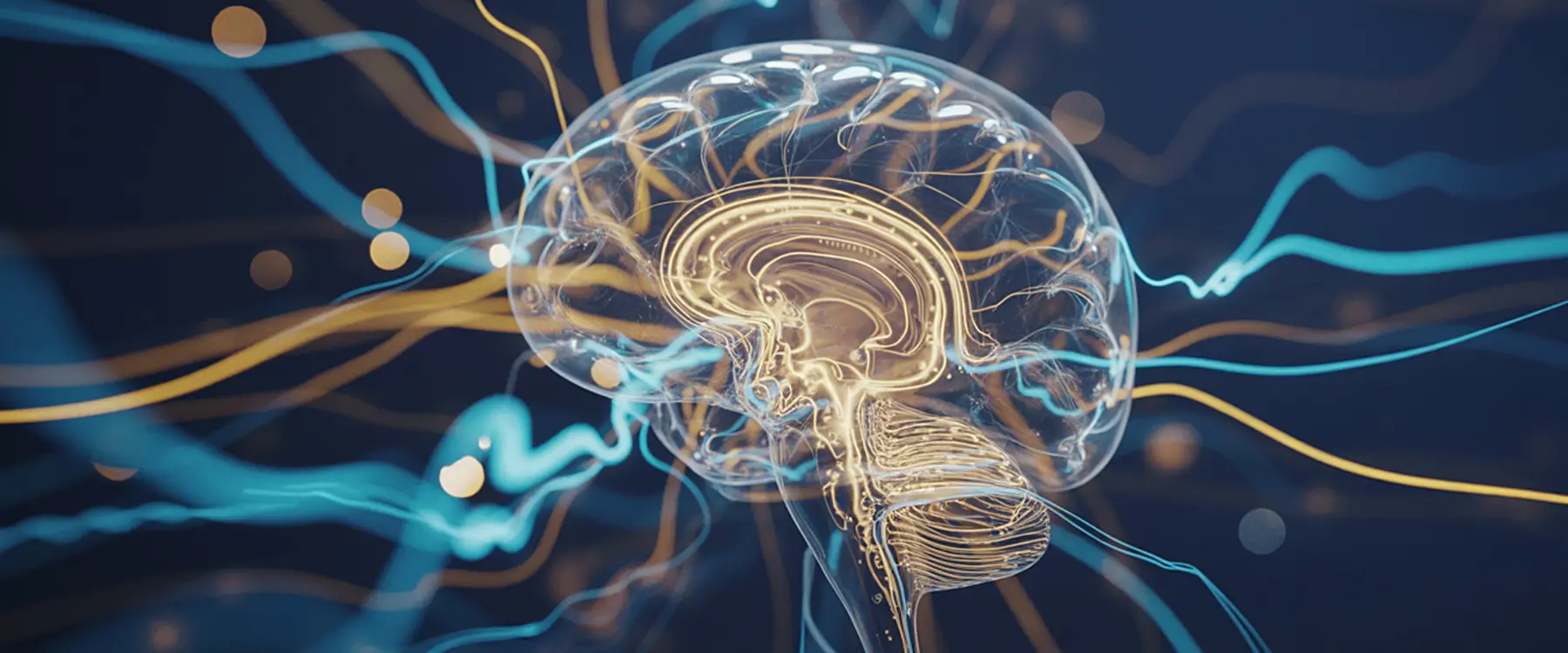
In fertility, many patients come to the fertility clinic saying: “I don’t know what else to do”. They have changed their diet, tried supplements, read about the microbiome, inflammation, the thyroid… and yet, they have been trying to conceive for years.
Psychoneuroimmunology (PNI) is the connection between the mind, the nervous system and the endocrine system (hormones) and how they interact with one another.
In this article, we speak to Dr Elena Santiago, a specialist at Vida Fertility, who takes an Integrative Medicine approach to reproduction, about clinical psychoneuroimmunology and how it influences fertility.


- What is psychoneuroimmunology?
- Differences between psychoneuroimmunology (PNI) and Clinical PNIc in assisted reproduction
- Why we discuss Clinical Psychoneuroimmunology (PNIc) at a fertility clinic
- Stress, cortisol and inflammation
- Patients who may benefit from psychoneuroimmunology
- Benefits of psychoneuroimmunology in fertility
- Psychoneuroimmunological treatment for fertility
- FAQs about what psychoneuroimmunology is and how it affects fertility
- Clinic specialising in Psychoneuroimmunology
- Our fertility treatments
- Where can I find Vida Fertility centres in Spain?
What is psychoneuroimmunology?
Psychoneuroimmunology is also known as Psycho – Neuro – Immunology and studies the interaction between:
- The psychological/emotional aspect
- The nervous system
- The endocrine system (hormones)
- The immune system and inflammation
- Microbiota
Sometimes, we may come across the term ‘clinical PNI’ (PNIc), which refers to the clinical application of this science: how we translate this interaction into practical health decisions (habits, rest, nutrition, exercise, stress management).
Psychoneuroimmunology as a scientific field grew as it demonstrated that the immune system does not function in isolation from the brain and behaviour.
Differences between psychoneuroimmunology (PNI) and Clinical PNIc in assisted reproduction
In fertility, psychoneuroimmunology (PNI) helps us understand how the nervous system, the immune system, hormones, stress and emotions are interrelated. It is a broad approach that allows us to assess the patient more holistically, particularly when we wish to improve her baseline condition before or during assisted reproduction treatment.
Clinical PNI (PNIc) applies this knowledge more specifically to patients with particular conditions, such as chronic inflammation, metabolic disorders, autoimmune diseases, digestive problems, microbiome imbalances or persistent stress. In these cases, it can help us design more personalised strategies relating to nutrition, rest, exercise, supplementation and emotional management.
At Vida Fertility, we view PNI and Clinical PNI (PNIc) as complementary tools within integrative medicine. They do not replace fertility treatment, but they can help better prepare the body, reduce factors that interfere with reproductive wellbeing, and support each patient from a more comprehensive perspective.
Why we discuss Clinical Psychoneuroimmunology (PNIc) at a fertility clinic
Within Integrative Medicine and with the aim of improving the baseline condition and microbiome of our patients, at Vida Fertility we have developed the idea of applying PNI to those who need it.
Psychoneuroimmunology integrates knowledge of physiology, molecular biology, evolution and biological rhythms to understand how the body, mind and immune system are interconnected.
From this perspective, therapeutic strategies are proposed that focus on lifestyle, diet, exercise, rest and stress management, with the aim of promoting the body’s balance, improving quality of life and supporting the prevention or recovery from certain health conditions.
“Nutrition and supplementation are already helping us a great deal, but we need to complement the integrative approach with stress and emotional management,” says Dr Elena Santiago.
At Vida Fertility, we believe it is of great importance to establish psychoneuroimmunology as a further protocol to follow in order to provide our patients with an accurate diagnosis.
Stress, cortisol and inflammation
When we talk about sustained stress, we are referring to repeated activation of the hypothalamic-pituitary-adrenal (HPA) axis and its influence on cortisol and other mediators. Reviews on stress and immunity describe how chronic stress can alter immune regulation and inflammation.
And in the field of reproduction, reviews on stress and the female reproductive system highlight pathways through which stress can interfere with the reproductive axis (HPG) and hormonal functions.
This means that, in some patients, better regulation of stress and the autonomic nervous system can improve fertility (sleep regulation, low-grade inflammation, adherence to healthy habits, well-being, and sometimes measurable biological parameters).
Patients who may benefit from psychoneuroimmunology
PNIc places the patient at the centre of the therapeutic approach and offers tools tailored to their specific situation.
Through nutrition, physical exercise, improved rest, stress regulation, balancing of biorhythms and other controlled stimuli, it aims to promote a gradual change in health status and improve overall well-being before or during fertility treatment.
Fertility patients requiring a nutritional plan
Here, the dominant factors are metabolic, digestive and dietary habits. They require a personalised anti-inflammatory diet, improved gut transit, gut microbiota support and micronutrients. Patients with a predisposition to gluten.
Autoimmune diagnosis and inflammation
An autoimmune diagnosis is a warning sign to consider an integrative and anti-inflammatory approach from the outset. And a pattern of allergies/urticaria or chemical sensitivity may suggest a hyperreactivity profile where regulation of the nervous system and inflammation takes on particular significance.
Chronic stress
When the process of trying to conceive is prolonged, or patients have experienced pregnancy loss and grief, the likelihood of stress increases, and this directly impacts rest, habits and hormonal signals—factors that affect fertility.
Benefits of psychoneuroimmunology in fertility
Psychoneuroimmunology applied to fertility helps us better understand how stress, emotions, rest, diet, the immune system and hormonal balance can influence reproductive health.
It does not replace assisted reproduction treatments, but can complement them from a more holistic and personalised approach.
Among its main benefits are:
- It helps to understand how chronic stress can affect the endocrine and immune systems, two systems closely linked to ovulation, implantation and hormonal balance.
- It offers tools to improve emotional management, reducing the impact of anxiety during the journey to conception or fertility treatment.
- It enables work on key habits such as nutrition, sleep, physical exercise and the microbiome, which can influence egg quality, sperm function and endometrial readiness.
- It promotes a more comprehensive understanding of patients with inflammatory, autoimmune, digestive or metabolic conditions that may be interfering with their reproductive wellbeing.
- It provides a more compassionate and personalised support, helping the patient feel more active, informed and cared for throughout the process.
Psychoneuroimmunological treatment for fertility
If you are undergoing fertility treatment, here are 6 simple tips, in line with clinical PNI, that can improve your fertility:
- Prioritise sleep: go to bed at the same time most nights.
- Natural light in the morning and less screen time at night (chronobiology).
- Daily exercise (walking, strength training, Pilates).
- Anti-inflammatory diet.
- Guided breathing for 5–10 minutes a day.
- See the appropriate specialist: psychologist, nutritionist, sports coach, immunologist.
FAQs about what psychoneuroimmunology is and how it affects fertility
Does psychoneuroimmunology cure infertility?
No. Clinical PNI is an integrative approach which, in certain patients, can improve the reproductive system and complement medical treatments.
Is there any point in seeking psychoneuroimmunology if I am undergoing IVF?
Yes, especially if there is stress, inflammatory symptoms, sleep disturbances or autoimmunity. The evidence regarding stress and IVF outcomes is not always consistent, but we do know that supporting mental health and reducing stress levels is beneficial for quality of life and, in some cases, for physiological variables.
Clinic specialising in Psychoneuroimmunology
Book your appointment at Vida Fertility
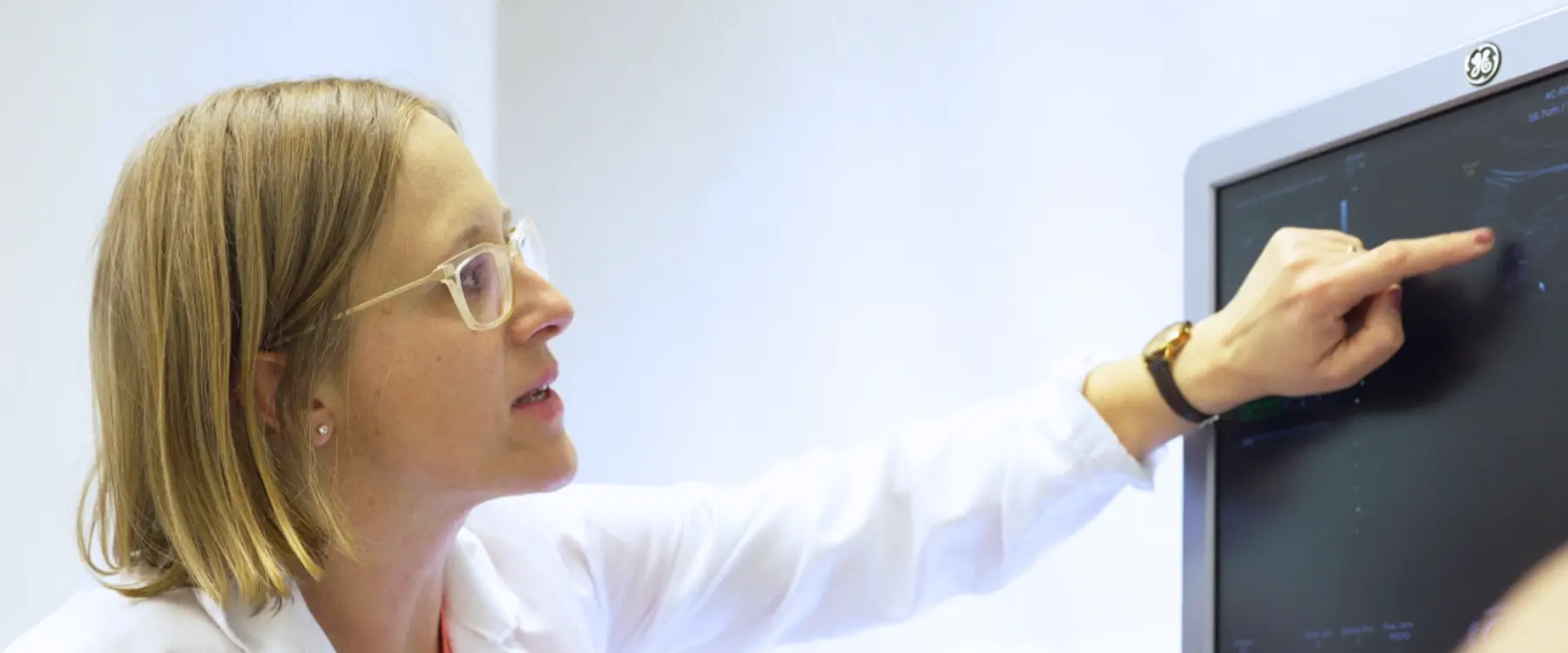
Psychoneuroimmunology, this discipline helps us understand how stress, emotions, nutrition and the immune system can influence fertility. At Vida Fertility, we have specialists in psychoneuroimmunology to support you in a more comprehensive, personalised and tailored way.
Book your first consultation with Dr Elena Santiago and our team, and we will review your case on an individual and personalised basis.





Ask for a consultation
You may also like


Last news


Testimonials







Where can I find Vida Fertility centres in Spain?

📍 C/ Palermo 15, Hortaleza, 28043 Madrid
📞 Phone number: +34 919 29 83 23
🕒 Opening hours: Monday to Friday from 8am to 7pm
📍 Av. Óscar Esplá 1, Bajo, 03008 Alicante
📞 Phone number: +34 919 29 83 23
🕒 Opening hours: Monday to Friday from 8am to 7pm
ℹ️ The information published on Vida Fertility is reviewed by our fertility specialists and medical team, following up-to-date scientific criteria and evidence-based medicine. Our team is a member at scientific societies such as SEF, ESHRE and SEGO.