
 Español
  Français
  Deutsch
  Italiano
  Nederlands
  International
Microbiota: the forgotten factor in fertility

The microbiota plays a crucial role in numerous aspects of our health, including fertility. Recent research suggests a significant connection between microbiota and fertility, affecting both gametogenesis and endometrial receptivity, key elements in achieving successful pregnancy.

In the field of assisted reproduction, understanding and handling the microbiota offers new opportunities to improve success rates in fertility treatments. In this article, Dr Katharina Spies explains how microbiota affects your fertility.
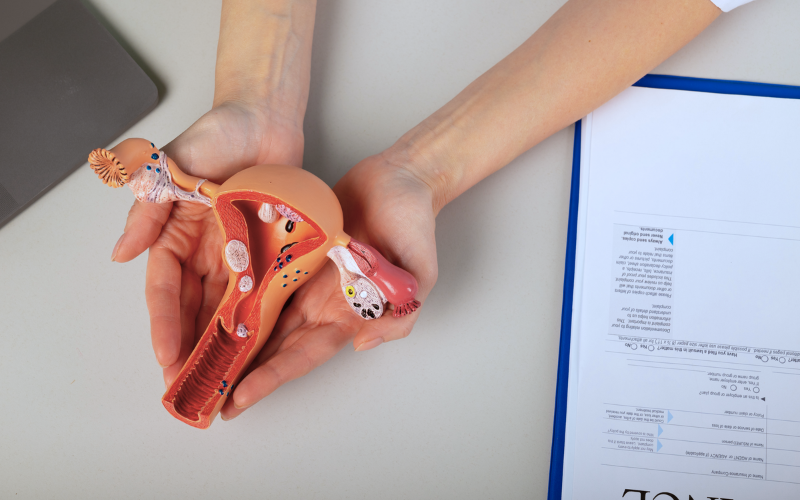

Difference between microbiota and microbiome
Microbiota refers to the set of microorganisms that reside in a specific environment, such as the human body. This includes bacteria, fungi, viruses and other microbes.
The microbiome, on the other hand, refers to the complete genome of these microorganisms, i.e. the entirety of their genes.
Thus, while the microbiota describes what is present in the body and where it is, the microbiome focuses on the genetic potential and functional capabilities of these microorganisms.

How does the microbiota affect fertility?
In the context of reproductive medicine, the composition of the microbiota can impact fertility, affecting aspects such as sperm quality, endometrium’s health, and the chances of successful embryo implantation and pregnancy.

Normal vaginal microbiota and pH
The composition of the vaginal microbiota varies among women and is influenced by different factors, the bacteria of the genus Lactobacillus being the most common (species such as L. crispatus, L. iners, L. jensenii and L. gasseri).
These bacteria fight against pathogens by producing lactic acid, maintaining an acidic vaginal pH that prevents infection.
The administration of probiotics can modify this flora, increasing Lactobacillus, which is especially relevant before trying to conceive, highlighting the importance of the balance of the vaginal microbiota.
What is the relationship between the microbiome and fertility?
Recent research suggests a significant connection between the microbiome and reproductive capacity, affecting both gametogenesis and endometrial receptivity, key elements in achieving a successful pregnancy.

Gametogenesis
Gametogenesis is the cell division biological process by which women’s eggs and men’s sperm are formed.
The relationship between the microbiome and gametogenesis is still under investigation, but studies suggest that microbial balance may influence reproductive health, potentially affecting sperm quality and follicular development.

Microbiota and endometrial receptivity
Endometrial receptivity is essential for a successful pregnancy and may be influenced by the endometrial microbiome.
Studies indicate that a balanced microbiome in the uterus provides a favourable environment for an embryo implantation. However, alterations in this microbial balance may affect the receptivity of the endometrium, reducing the chances of successful implantation and, thus, pregnancy.
Recent studies in IVF treatments show a correlation between the endometrial microbiome and a successful pregnancy which is why the endometrial microbiome is so important durign IVF process.
“It was observed that when Lactobacillus bacteria are not dominant in the endometrium, the likelihood of implantation and pregnancy success is reduced.” Dr Spies adds.
On the other hand, the significant presence of bacteria other than Lactobacillus could be the cause behind implantation failures and miscarriages, proving once again the importance of microbial balance for fertility.
What factors damage the microbiota?
As fertility specialists, it is important to recognise the factors that can damage the microbiota and affect fertility. Some of these include:
- Excessive use of antibiotics
- Inadequate diet
- Chronic stress
- Alcohol and tobacco use
- Exposure to environmental toxins
Addressing these factors is key to preserving the health of the microbiota and thereby supporting a healthy reproductive environment.

How to improve the microbiota:
Improving the microbiota is possible and can positively influence fertility. Here are some key points:
- Adopt a balanced diet: Diet plays a crucial role in the health of the microbiota.
- Avoid overuse of antibiotics: Although sometimes necessary, antibiotics can impact the microbial balance. Their use should always be under medical prescription.
- Maintain a healthy weight: Being overweight or obese can negatively affect the microbiota. A healthy weight is associated with a better microbial composition.
- Avoid unhealthy habits: Tobacco and alcohol can alter microbiota. Reducing consumption is beneficial for reproductive health.
- Stress management: Chronic stress can have a negative impact on microbiota. Practices such as meditation or yoga may be helpful.
It is important to consult a fertility specialist for a personalised plan that includes strategies to improve microbiota and thus fertility.
What to eat to improve the microbiota?
Eating rich food in fiber, prebiotics and probiotics can support the growth of beneficial bacteria.
- Include natural probiotics: Such as yoghurt, kefir, and other fermented foods to increase beneficial bacteria.
- Consume Fermentable fiber (prebiotics): Through fruits, vegetables, and whole grains to feed the good bacteria.
- Opt for healthy fats: Such as omega-3 from fatty fish, olive oil, and nuts.
- Reduce consumption of sugars and processed foods: Which can unbalance the microbiota.
These dietary recommendations can contribute to a favourable environment for fertility.
Related articles to microbiota and fertility:
Ask for a consultation
You may also like


Last news


Testimonials














Where can I find Vida Fertility centres in Spain?

📍 C/ Palermo 15, Hortaleza, 28043 Madrid
📞 Phone number: +34 919 29 83 23
🕒 Opening hours: Monday to Friday from 8am to 7pm
📍 Av. Óscar Esplá 1, Bajo, 03008 Alicante
📞 Phone number: +34 919 29 83 23
🕒 Opening hours: Monday to Friday from 8am to 7pm
ℹ️ The information published on Vida Fertility is reviewed by our fertility specialists and medical team, following up-to-date scientific criteria and evidence-based medicine. Our team is a member at scientific societies such as SEF, ESHRE and SEGO.