
 Español
  Français
  Deutsch
  Italiano
  Nederlands
  International
Radiofrequency for fibroids: The non-surgical treatment to remove uterine fibroids
When a woman is diagnosed with uterine fibroids, it is normal to have many concerns: do I need surgery? Could they affect my fertility? Will they prevent me from getting pregnant? Could they complicate IVF? Is there an alternative that preserves my uterus?
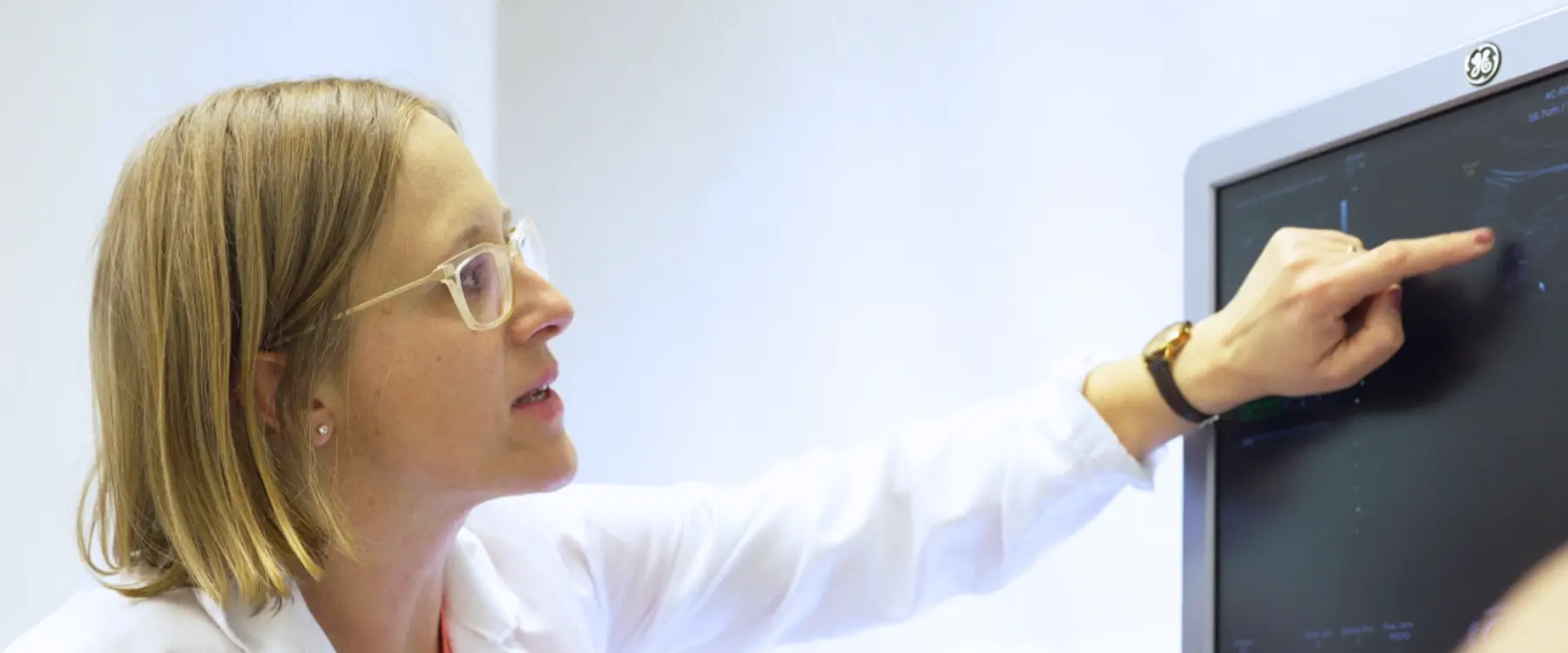
In this article, we speak to Dr Katharina Spies, Medical Director at Vida Fertility: “The answer to removing uterine fibroids, as is almost always the case in reproductive medicine, depends on each individual case. Not all fibroids require treatment, and not all fibroids affect fertility in the same way. However, when they cause heavy bleeding, pain, pelvic pressure, deform the uterine cavity or interfere with pregnancy, it is important to assess them accurately.”At Vida Fertility, we have incorporated radiofrequency ablation for uterine fibroids as part of our commitment to medical innovation and personalised treatment. This technique, available at our fertility clinic in Madrid, allows certain fibroids to be treated in a minimally invasive way, preserving the uterus and, in many cases, avoiding conventional surgery. Our team is trained and authorised to perform this procedure, integrating it where indicated into the overall fertility management plan.


- What are uterine fibroids?
- Symptoms of uterine fibroids
- Treatments to remove fibroids
- Radiofrequency treatment for fibroids
- Radiofrequency procedure for fibroids: How is radiofrequency performed?
- Radiofrequency ablation of fibroids and fertility: can it help before trying to conceive?
- Which fibroids can be treated with radiofrequency?
- Differences between radiofrequency ablation, myomectomy and hysterectomy
- Benefits of radiofrequency treatment for fibroids
- Frequently asked questions about radiofrequency treatment for fibroids
- At Vida Fertility, we assess your case on an individual basis
- Our fertility treatments
- The best fertility clinics in Spain
What are uterine fibroids?
Uterine fibroids, also known as myomas or leiomyomas, are benign tumours that originate in the muscle of the uterus. They are very common during a woman’s reproductive years and many of us may have them without realising it, as they sometimes cause no symptoms.
However, some fibroids can cause significant discomfort.


Symptoms of uterine fibroids
The most common symptoms include:
- Heavy or prolonged periods
- Pelvic pain
- Abdominal pressure
- Lower back pain
- Feeling of bloating
- Discomfort during sexual intercourse
- Frequent urge to urinate
- Fertility problems.
The location of the fibroid is particularly important: a fibroid growing outwards from the uterus is not the same as one that distorts the uterine cavity, where embryo implantation must take place.
That is why, at our fertility clinics in Spain we do not view fibroids in isolation. We assess their size, their location, their relationship with the endometrium, the patient’s symptoms, the woman’s age , her ovarian reserve and whether she wishes to become pregnant now, in the future, or is preparing for assisted reproduction treatment.
Treatments to remove fibroids
Depending on the location, size, ovarian reserve, etc. of the fibroid, the following treatments may be carried out to remove fibroids:
- Hormonal treatments: to relieve symptoms such as heavy bleeding, although their effect is usually temporary and does not permanently remove the fibroid.
- Embolisation: may not be recommended for women wishing to become pregnant, as it can compromise uterine blood supply and affect fertility.
- Myomectomy: involves removing the fibroid via abdominal or vaginal surgery.
- Hysterectomy: removal of the uterus and, therefore, is not compatible with future pregnancy.
- Radiofrequency: a minimally invasive technique that uses thermal energy to destroy the fibroid tissue from within.
Radiofrequency treatment for fibroids
Radiofrequency treatment for fibroids is a minimally invasive technique that uses thermal energy to destroy the fibroid tissue from within.
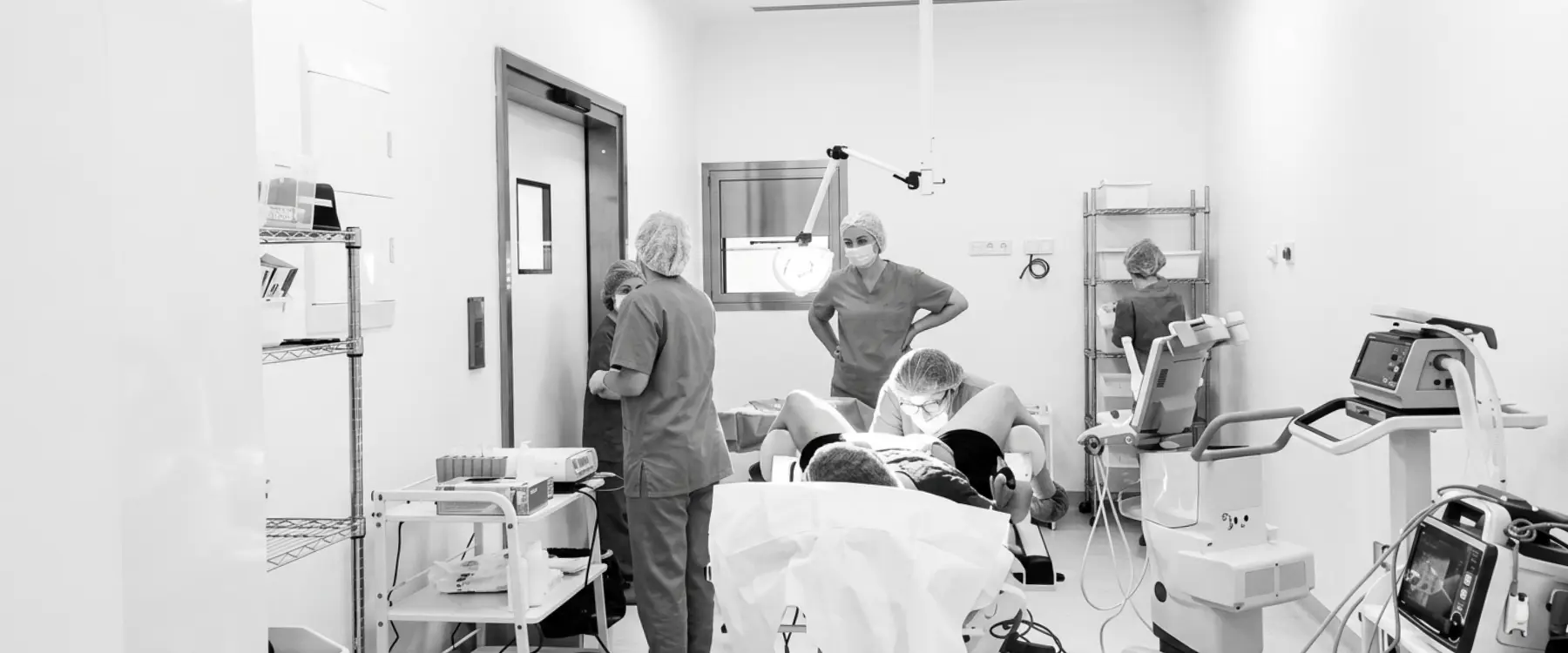
Guided by ultrasound, the fertility specialist inserts a needle or fine electrode into the fibroid and applies controlled heat. This heat causes necrosis of the treated tissue, which the body then gradually reabsorbs.
Unlike myomectomy, in which the fibroid is surgically removed, radiofrequency ablation reduces the fibroid from within. The aim is to reduce its size, improve symptoms and, where possible, preserve the uterus in the best possible condition for a future pregnancy.
Following radiofrequency ablation, the fibroid may continue to shrink over the following months and symptoms may improve progressively over the next 3 to 12 months.
Radiofrequency procedure for fibroids: How is radiofrequency performed?
The radiofrequency procedure for fibroids is usually performed in a controlled environment, under sedation or anaesthesia depending on the case.
In transvaginal radiofrequency ablation, access is gained via the vagina and guided by ultrasound, without the need for abdominal incisions. The specialist locates the fibroid, inserts the electrode into it and applies radiofrequency energy precisely.
One of the major advantages of this technique is that, when appropriately indicated, it can be performed on an outpatient basis, without the need for a prolonged hospital stay and with a rapid recovery.
At Vida Fertility, the decision to proceed is always made following a personalised gynaecological assessment. It is not a matter of applying a technique as a matter of protocol, but of deciding whether it is truly the best option for that specific patient.

Radiofrequency ablation of fibroids and fertility: can it help before trying to conceive?
Fibroids can affect fertility in various ways. Some may distort the uterine cavity, hinder embryo implantation, alter blood flow to the uterus, obstruct areas near the fallopian tubes, or be associated with an increased risk of miscarriage, depending on their size and location.
This does not mean that every woman with fibroids will have problems getting pregnant. Many women with fibroids conceive naturally and have normal pregnancies.
However, when a fibroid is close to the endometrium, displaces the uterine cavity, or is associated with implantation failure and recurrent miscarriages or heavy bleeding, it is advisable to investigate it before trying to conceive or before in vitro fertilisation.
Here, radiofrequency ablation may be an interesting alternative in selected cases.
At Vida Fertility, we do not view radiofrequency ablation merely as a gynaecological treatment, but as a potential tool within a reproductive strategy. If a patient is about to undergo in vitro fertilisation, an egg donation or is trying to conceive, we need to know whether that fibroid could interfere with implantation or increase risks during pregnancy.
Which fibroids can be treated with radiofrequency?
Not all fibroids are suitable for radiofrequency treatment. The decision depends on several factors:
- The size of the fibroid.
- Its location within the uterus.
- The number of fibroids.
- Its relationship to the endometrial cavity.
- The presence or absence of symptoms.
- The patient’s desire to conceive.
- Previous treatments.
- Age and reproductive context.
Intramural fibroids, located within the muscular wall of the uterus, and some fibroids that are close to the uterine cavity may be suitable candidates if they meet the appropriate criteria. However, other fibroids may require a hysteroscopy, a myomectomy or another approach.
For this reason, it is very important that radiofrequency ablation should not be routinely recommended for all patients; each case must first be assessed on an individual basis, after considering age, desire for pregnancy, and the size and location of the fibroid.
Differences between radiofrequency ablation, myomectomy and hysterectomy
- Radiofrequency reduces the fibroid using controlled heat. It is minimally invasive, usually allows for a quick recovery and preserves the uterus.
- Myomectomy surgically removes the fibroid. It also preserves the uterus, but may require laparoscopy, hysteroscopy or abdominal surgery depending on the case. It can leave a uterine scar and may require a waiting period before attempting to conceive.
- Hysterectomy removes the uterus. It is a definitive solution for fibroids, but is not an option for women who wish to conceive.
The choice should be based on which technique offers the greatest safety and the best prognosis for that specific patient.
Benefits of radiofrequency treatment for fibroids
The main benefits of radiofrequency, when appropriately indicated, are:
- It preserves the uterus.
- It is minimally invasive.
- It can avoid conventional surgery in selected cases.
- It does not usually leave visible abdominal scars.
- It can reduce bleeding, pain or pelvic pressure.
- It allows for a quick recovery.
- It can be integrated into a fertility plan.
- It can treat certain fibroids without removing uterine tissue.
Even so, a proper prior diagnosis is just as important as the technique itself.
Frequently asked questions about radiofrequency treatment for fibroids
How long does recovery take after radiofrequency treatment for fibroids?
Recovery is usually quick. Many patients can resume their normal activities within a short time, although this depends on the technique used, the number of fibroids treated, individual tolerance and the medical team’s recommendations.
At Vida Fertility, we always provide personalised guidance following treatment: pain relief if necessary, warning signs, recommendations regarding exercise, sexual intercourse, follow-up appointments and family planning.
When can I try to conceive after radiofrequency ablation?
The timing for trying to conceive after radiofrequency ablation for fibroids will depend on the size of the fibroid treated, its location, the uterus’s response, the type of treatment performed and the patient’s reproductive plan.
In fertility patients, this timing must also be coordinated with ovarian reserve, age, the type of treatment and reproductive urgency.
At Vida Fertility, this decision is always made jointly between the patient, fertility tests and the judgement of our gynaecologists who are experts in assisted reproduction.
According to Dr Spies: “It is not just a matter of ‘waiting’, but of using that time to prepare the endometrium, review blood tests, assess semen, study embryos if necessary, and devise a realistic strategy”.
Can radiofrequency improve IVF?
It can help in specific cases, particularly when the fibroid affects the uterine cavity or is suspected of interfering with embryo implantation. As the uterus is where the embryo must implant, any relevant anatomical abnormality or uterine pathology must be investigated before transfer.
In assisted reproduction, the problem is not always limited to the eggs, sperm or embryos. It can also lie in the uterine environment. A fibroid that distorts the cavity, alters blood supply or causes local inflammation can reduce the chances of implantation.
That is why, at Vida Fertility, we take the personalisation of each case so seriously. We carry out these fertility tests before IVF and these fertility tests before egg donation or an embryo transfer, a comprehensive uterine assessment can make all the difference.
Radiofrequency does not guarantee pregnancy, but it can form part of a strategy to improve uterine conditions when fibroids are a significant factor.
Risks and limitations of radiofrequency treatment for fibroids
Like any medical procedure, radiofrequency treatment has risks and limitations. There may be period-like pain, pelvic discomfort, mild fever, bleeding, infection or a need for additional treatments. It may also be the case that the fibroid does not shrink sufficiently or that new fibroids develop over time.
For this reason, at Vida Fertility we do not promise universal results. We assess, explain and support. Each patient must understand what can be expected from radiofrequency ablation in their specific case, what alternatives exist and how the treatment fits into their plans for motherhood.
Can I get pregnant after radiofrequency treatment for fibroids?
In selected cases, pregnancy can be considered after treatment, but the right time must be decided by the specialist. The evidence regarding pregnancy following radiofrequency treatment is growing, although the decision must be made on an individual basis.
How do I know if I am a candidate for this treatment?
The only reliable way is to undergo a gynaecological assessment with a specialised ultrasound scan and, in some cases, an MRI scan. The specialist will examine the fibroid and your reproductive situation before recommending radiofrequency or another alternative.

At Vida Fertility, we assess your case on an individual basis
Every fibroid is different. Its size, location and relationship with the uterine cavity can influence symptoms, fertility and the most appropriate treatment.
At Vida Fertility, we have incorporated radiofrequency ablation for fibroids in Madrid as part of our commitment to innovation, personalised reproductive medicine and comprehensive women’s healthcare. Under the medical supervision of Dr Katharina Spies, our team assesses each case individually to determine whether this technique can help you reduce symptoms, preserve your uterus and better prepare your journey towards pregnancy.
If you have fibroids and are trying to conceive, are about to start IVF, have experienced implantation failures, or simply want to know whether you need to treat a fibroid before becoming a mother, we are here to support you.





Vida Fertility Events
At Vida Fertility, we believe that feeling informed is the first step towards a more confident fertility journey.
Through our events, talks and private consultations, we help patients understand their options, ask questions and receive personalised guidance from our fertility specialists in Spain.
Discover our upcoming events and meet the Vida Fertility team.
Ask for a consultation
You may also like


Last news


Testimonials






The best fertility clinics in Spain
📍 C/ Palermo 15, Hortaleza, 28043 Madrid
📞 Phone number: +34 919 29 83 23
🕒 Opening hours: Monday to Friday from 8am to 7pm
📍 Av. Óscar Esplá 1, Bajo, 03008 Alicante
📞 Phone number: +34 919 29 83 23
🕒 Opening hours: Monday to Friday from 8am to 7pm
ℹ️ The information published on Vida Fertility is reviewed by our fertility specialists and medical team, following up-to-date scientific criteria and evidence-based medicine. Our team is a member at scientific societies such as SEF, ESHRE and SEGO.