
 Español
  Français
  Deutsch
  Italiano
  Nederlands
  International
Age and women’s fertility: Up to what age can I get pregnant?

Age and Women’s Fertility: As society moves forward, the decision about parenthood is often postponed for numerous reasons, including career, financial stability, or finding the right time and/or partner.
This fact leads many women to wonder about age and women’s fertility – up to what age it is safe or possible to conceive, taking into account both the mother’s and baby’s health. Being a key question to consider when planning a family, we asked Dr. Spies: up to what age is it safe to get pregnant?


- IVF in Spain age limit
- Age and Men’s Fertility
- Age and Women’s fertility: Safe Pregnancy Age
- How Age Influences Women’s Fertility
- Age and women’s fertility treatments for over 35:
- Frequently asked questions about female fertility and age
- Our fertility treatments
- Where can I find Vida Fertility centres in Spain?
IVF in Spain age limit
Fertility changes as women age.
A woman enters her fertile period from the time of her first menstrual cycle until the onset of menopause. This puts the window of female fertility at approximately 14 to 45 years, spanning about 30 years.
Although it is possible to conceive at any time during this period, there are certain stages where the chances of pregnancy are higher.
The most fertile time in a woman’s life is usually around the age of 20, with a progressive decline in fertility from the age of 30 onwards, becoming more pronounced after the age of 35.
A fertile 30-year-old woman has approximately a 20% chance of conceiving each month. This implies that out of 100 fertile women in their 30s who seek to become pregnant, about 20 will succeed in each cycle without the help of assisted reproduction.
By age 40, this probability drops to less than 5% per cycle, meaning that fewer than 5 out of 100 women of this age will achieve a pregnancy each month.

Age and Men’s Fertility
Men’s fertility, unlike women’s fertility, does not experience an abrupt shutdown like menopause, but it does also decline with age.
Men are able to conceive beyond the age of 40 or 50, but several age-related factors can influence their fertility.
- Decreased quality and quantity of sperm produced
- Sperm motility may also be affected, impacting the ability of sperm to reach and fertilise the egg.
- Increasing the risk of genetic alterations in the sperm, which could influence the health of the future baby.
Therefore, while advanced age in men does not prevent conception altogether, it can reduce the likelihood of a successful and healthy pregnancy.
Age and Women’s fertility: Safe Pregnancy Age
From the age of 35 onwards, a woman’s fertility is getting worse and this implies considering several risks, the first of which we have already mentioned: difficulties in conceiving due to the decrease in the quantity and quality of the eggs, the ovarian reserve.
- Decrease in ovarian reserve.
- Multiple Pregnancies: Increased probability of having twins due to hormonal changes.
- Gestational Diabetes: Increased risk and need for strict glucose control.
- High Blood Pressure: More common during late pregnancy.
- Preterm Birth and Low Birth Weight: Increased likelihood of premature babies and associated medical complications.
- C-Section: Increased risk of complications that may require a caesarean delivery.
- Chromosomal Conditions: Increased risk of chromosomal problems such as Down syndrome.
- Pregnancy Loss: Increased risk of miscarriage and stillbirth, associated with egg quality and chronic conditions.
Pregnancy chances and women’s age
How Age Influences Women’s Fertility
As a woman gets older, the risks of conditions that can affect fertility rise. These include:
- Uterine fibroids
- Tubal disease
- Endometriosis
- Genetic changes in eggs that reduce their viability or increase the risk of conditions such as Down’s syndrome.
Environmental and lifestyle factors can also negatively influence fertility.

Age limit for having children in Assisted Reproduction
According to Law 14/1006 on Assisted Human Reproduction in Spain there is no specified age limit for carrying out fertility treatment. However, at Vida Fertility, as specialists in assisted reproduction, is usually up to 50 years. It is important to point out that, although technically there is no strict age limit for having children through assisted reproduction techniques, there are practical and ethical considerations.
For women, the most commonly accepted age for treatments such as IVF in private specialised clinics is usually up to 43 years, although this may vary according to individual clinic policies.
Age is a crucial factor because of the associated risks for both mother and baby. In men, age does not limit the possibility of fatherhood as much, although sperm quality decreases with age.
In public hospitals, the age limit for accessing assisted reproductive treatment is usually lower compared to private clinics, often around 40 years of age.
Each case must be assessed individually, considering general health, egg or sperm quality, and other risk factors.
Age and women’s fertility treatments for over 35:
The most appropriate fertility treatments for women over 35 often focus on addressing age-related problems, such as declining ovarian reserve and egg quality.
Dr Spies details the most common treatments:
- In Vitro Fertilisation (IVF in Spain): This procedure involves removing eggs from the woman, fertilising them with sperm in a laboratory and then implanting the embryos into the uterus. IVF is particularly useful for older women because of its higher success rate compared to other techniques.
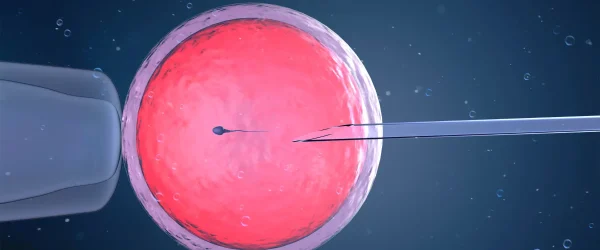
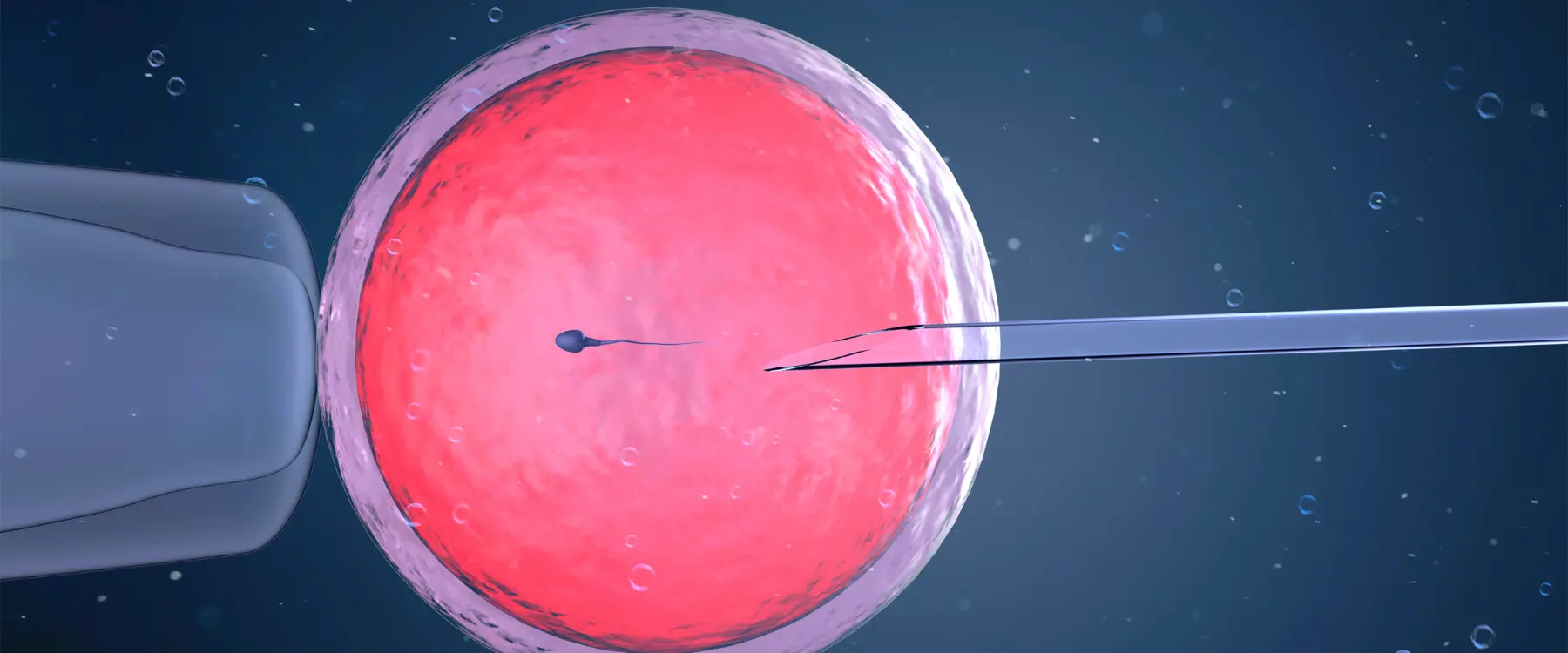
- Intracytoplasmic Sperm Injection (ICSI): A variant of IVF where a single sperm is injected directly into an egg. This can be useful if there are sperm quality issues or previous IVF failures.
- Preimplantation Genetic Testing (PGT): Used in conjunction with IVF, PGT allows embryos to be screened for chromosomal abnormalities before transfer to the uterus, which is crucial for older women.
- Egg Donation: In cases where egg quality or quantity is a problem, egg donation from a younger donor may be the right option. Embryo donation is also an alternative, especially if the fertility issues are both from eggs and sperm.
It is crucial that each woman receives an individualised assessment by a fertility specialist, as the optimal treatment can vary considerably depending on the woman’s specific situation and overall health.
Frequently asked questions about female fertility and age
When is a woman most fertile?
Dr. Spies responds:
Women are typically most fertile between the ages of 20 and 30. During this period, the probability of becoming pregnant per cycle is higher. After age 35, a woman’s fertility begins to decline gradually, and after age 40, it declines significantly. This is what we refer to as ovarian reserve.
How long are women fertile?
Dr. Spies responds:
Most women can become mothers after age 40, even until shortly before menopause, but the quality and number of eggs decline with age. The point at which a woman ceases to be fertile depends on her individual ovarian reserve and her overall health.
How long is a woman fertile in old age?
Dr. Spies responds:
A woman’s fertile years usually span from the onset of menstruation (puberty) to her mid- to late 40s. With age, cycles tend to lengthen and ovulation becomes more irregular, making conception more difficult.
Female fertility after 40: is it possible to get pregnant?
Yes, it is possible to get pregnant after 40, but the chances are lower and the risk of genetic abnormalities increases. In many cases, IVF treatment with egg donation can increase the chances of success.
At what age can you no longer get pregnant?
Dr. Spies responds:
Fertility usually ends a few years before menopause, typically between the ages of 45 and 50. After that age, spontaneous pregnancies are extremely rare. In addition, Spanish fertility clinics limit the age to 50 for ethical and health reasons for both the mother and the baby.
Related articles about age and women’s fertility
Ask for a consultation
You may also like


Last news


Testimonials









Where can I find Vida Fertility centres in Spain?
📍 C/ Palermo 15, Hortaleza, 28043 Madrid
📞 Phone number: +34 919 29 83 23
🕒 Opening hours: Monday to Friday from 8am to 7pm
📍 Av. Óscar Esplá 1, Bajo, 03008 Alicante
📞 Phone number: +34 919 29 83 23
🕒 Opening hours: Monday to Friday from 8am to 7pm
ℹ️ The information published on Vida Fertility is reviewed by our fertility specialists and medical team, following up-to-date scientific criteria and evidence-based medicine. Our team is a member at scientific societies such as SEF, ESHRE and SEGO.