
 Español
  Français
  Deutsch
  Italiano
  Nederlands
  International
Getting pregnant with egg donation: symptoms and success rates

Getting pregnant with egg donation is, in many cases, the path that allows women to fulfil their desire to become mothers when it has not been possible using their own eggs.
We know it is not an easy decision, as it involves accepting genetic grief, but it is also important to understand that pregnancy, the bond and motherhood are built on much more than genetics. In our practice, we often see how many patients turn to egg donation after other treatments have not yielded the expected results or following unsuccessful IVF cycles. Below, we speak with Dr Elena Santiago, a fertility specialist at Vida Fertility Madrid, and explain everything you need to know about this fertility treatment in Spain.


- When should you consider egg donation?
- How to cope with genetic grief in egg donation
- Getting pregnant through egg donation
- Success rates
- Symptoms of pregnancy following egg donation
- Differences between frozen and vitrified eggs in egg donation
- When is a pregnancy test reliable following egg donation?
- Factors influencing the success of egg donation
- What to do to promote embryo implantation
- Common concerns and frequently asked questions about how long it takes to get pregnant with egg donation and pregnancy chances
- Our fertility treatments
- Where can I find Vida Fertility centres in Spain?
When should you consider egg donation?
Egg donation is considered an effective alternative when ovarian reserve and egg quality make it very difficult to achieve a pregnancy with a realistic chance of success. In these cases, this treatment significantly increases the chances of achieving a pregnancy.
Furthermore, it allows you to experience pregnancy first-hand, using donated eggs. The selection of the donor is based on rigorous medical criteria to ensure maximum safety and compatibility.
We know that making this decision can also involve a complex emotional process, particularly given what it means to relinquish one’s own genetic material. That is why, at Vida Fertility, we support every patient with clear information, support and personalised advice throughout the entire process.

How to cope with genetic grief in egg donation
Ultimately, dealing with genetic grief in egg donation involves a process of acceptance, reframing and adaptation. Far from preventing the formation of a solid and healthy bond, properly working through this grief can even strengthen the experience of motherhood, allowing it to be built on desire, commitment and love.
You may be interested in reading our latest blog on how to cope with fertility treatment as a couple.
Getting pregnant through egg donation
Egg donation treatment in Spain follows a structured medical process that maximises the chances of pregnancy whilst ensuring complete safety.
The egg donation begins with an initial consultation, where we assess the patient’s medical history and confirm the need for treatment. From there, the selection of the donor takes place, based on medical, genetic and phenotypic compatibility criteria, whilst always respecting anonymity.
The donor undergoes a comprehensive evaluation process, which includes a psychological assessment and full medical tests to ensure her suitability. Once approved, the egg donor begins ovarian stimulation, which is monitored via ultrasound scans and blood tests, followed by ovarian puncture, a brief procedure carried out under sedation.
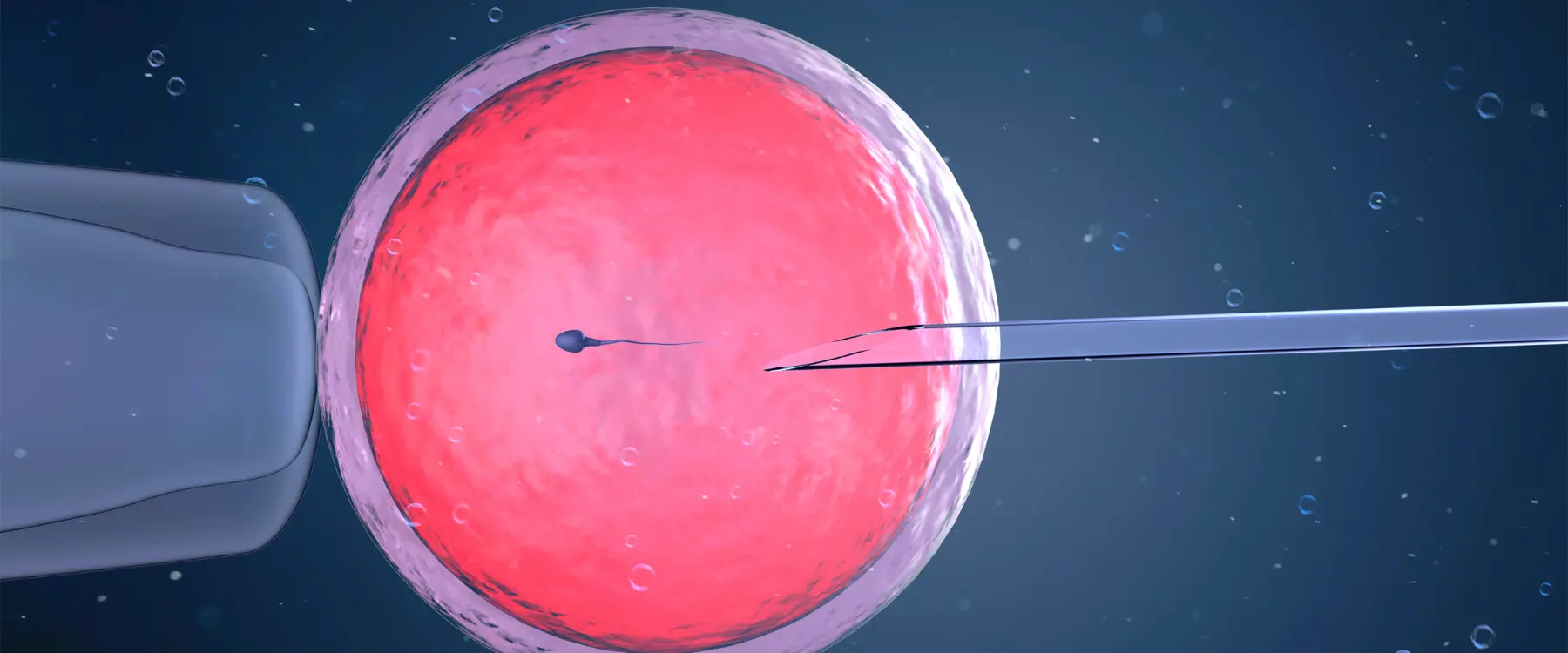
The retrieved eggs are fertilised in the laboratory using techniques such as IVF or ICSI, and the resulting embryos are cultured and selected according to their quality. At the same time, the recipient prepares her endometrium to ensure optimal uterine receptivity. Finally, the embryo transfer is carried out, a simple and painless procedure, followed by a pregnancy test two weeks later. In assisted reproduction, this period is known as the “Beta wait”.
At Vida Fertility, we understand that every story is unique. That is why each case is assessed on a completely individual basis, supporting our patients from the first consultation right through to achieving pregnancy, with the same medical team by your side at every stage of the process.
Success rates
The success rates of egg donation treatment (IVF with egg donation) in Spain depend on each patient’s individual circumstances. However, by selecting high-quality oocytes from young donors, we achieve high success rates from the very first attempt at egg donation, that is, from the first transfer.
Symptoms of pregnancy following egg donation
The symptoms of pregnancy following egg donation are usually similar to those of any other pregnancy, as, once implantation has taken place, the body responds to the hormonal changes of pregnancy.
The most common signs are:
- Missed period
- Breast changes or tenderness
- Nausea or vomiting
- Changes in sense of smell and appetite
- Fatigue and drowsiness
- More frequent urination
- Emotional changes
- Other mild symptoms typical of early pregnancy
Following a positive test, some women may experience nausea, tiredness, increased breast tenderness, changes in sense of smell or appetite, a greater urge to urinate and some emotional instability. In the first few weeks, there may also be occasional light spotting, known as implantation bleeding, as well as an increase in vaginal discharge or a stronger feeling of sleepiness.
Differences between frozen and vitrified eggs in egg donation
In egg donation, the chances of pregnancy are now very similar whether fresh oocytes or vitrified oocytes are used. Thanks to advances in vitrification, frozen eggs maintain excellent viability and, once fertilised via ICSI, embryonic development does not depend on whether the oocyte was fresh or previously vitrified.
The main difference between using fresh or vitrified oocytes in egg donation lies in the organisation of the treatment. With fresh eggs, it is necessary to synchronise the donor’s and recipient’s cycles, whereas vitrified eggs allow for greater flexibility, reduce waiting times and facilitate planning.
Nowadays, both options can offer very good results. The choice between fresh or frozen eggs must be made on an individual basis, taking into account the patient’s clinical situation, donor availability, treatment timelines and the medical team’s judgement.
When is a pregnancy test reliable following egg donation?
When embryo transfer takes place on day 5, at the blastocyst stage, the pregnancy test (which involves measuring the b-HCG hormone in the blood) is scheduled for 10–12 days after the transfer. This period is known as the beta wait, which spans from the transfer until the pregnancy test is carried out.
Therefore, to obtain accurate results from the pregnancy test, it is advisable to wait at least 15 days, to avoid false positives or negatives due to insufficient hormone levels.
Factors influencing the success of egg donation
The success of egg donation depends on several factors; one of the most important is that the endometrium is prepared and receptive. This synchronisation between the embryo and the endometrium promotes embryo implantation and allows the pregnancy to progress properly.
How do I know if my endometrium is receptive?
To identify the implantation window and reduce implantation failures, at Vida Fertility we carry out the Endometrial Receptivity Test (ERA) a test that helps identify the ideal time for an embryo transfer, known as the implantation window.
What to do to promote embryo implantation
Although there are habits we can adopt in our daily lives, as fertility experts, we must emphasise the importance of following the guidelines of your gynaecologist specialising in fertility.
A comprehensive fertility check up could be the key to becoming a mum in as few attempts as possible. For this reason, Dr Santiago recommends:
- A healthy lifestyle, paying attention to your diet and avoiding tobacco and alcohol
- Reducing stress and improving sleep quality
- Following the medical protocol agreed with your doctor
- General health and hormonal assessment
- Pre-treatment fertility tests: ovarian reserve, semen analysis, etc.
Common concerns and frequently asked questions about how long it takes to get pregnant with egg donation and pregnancy chances
Is it possible to get pregnant with egg donation on the first attempt?
Dr Elena Santiago replies:
Yes, it is possible to get pregnant with egg donation on the first attempt.
At our Vida Fertility clinic, we achieve a success rate for egg donation treatment of over 70% on the first attempt.
We only transfer embryos at the blastocyst stage. This means we only transfer embryos on day 5 or 6 of embryonic development, which allows us to monitor the embryos’ development over a reasonable period of time.
However, it is important to understand that any fertility treatment depends on various factors: the woman’s age, egg quality and sperm quality, embryo development, the condition of the endometrium, the uterine cavity, and many others.
At Vida Fertility, we combine the expertise of our reproductive medicine specialists with cutting-edge technology. All this, together with genuine support, makes it possible to maximise your chances on the first attempt.
Will the baby look like me?
Dr Elena Santiago replies:
In an egg donation treatment, the baby will not inherit your genetic makeup; however, during pregnancy, your body will be the environment in which that embryo develops. This is where epigenetics comes into play, helping us understand how the uterine environment, health status, diet, lifestyle habits and pregnancy can influence the expression of certain genes.
Motherhood is not defined solely by genetics, but also by pregnancy, the bond, the care and the history you build together.
Can the egg donor pass on a hereditary condition to my baby?
Dr Elena Santiago replies:
Let’s start with an important point: anyone can be a carrier of genetic conditions without knowing it. That is why, in egg donation treatments, we carry out comprehensive genetic screening of donors, in which we analyse hundreds of hereditary conditions.
Genetic Compatibility Test (GCT) or genetic matching. This test analyses hundreds of recessive hereditary conditions and allows us to determine whether the egg donor is a carrier of any mutations. We then compare this information with that of the intended father or the sperm donor to check for genetic compatibility.
In this way, we significantly reduce the risk of passing on hereditary conditions to the baby. It is important to remember that in medicine there is no such thing as zero risk, but we can minimise it thanks to advanced genetic testing and rigorous donor selection.




Ask for a consultation
You may also like about getting pregnant through egg donation


Last news


Testimonials





Where can I find Vida Fertility centres in Spain?

📍 C/ Palermo 15, Hortaleza, 28043 Madrid
📞 Phone number: +34 919 29 83 23
🕒 Opening hours: Monday to Friday from 8am to 7pm
📍 Av. Óscar Esplá 1, Bajo, 03008 Alicante
📞 Phone number: +34 919 29 83 23
🕒 Opening hours: Monday to Friday from 8am to 7pm
ℹ️ The information published on Vida Fertility is reviewed by our fertility specialists and medical team, following up-to-date scientific criteria and evidence-based medicine. Our team is a member at scientific societies such as SEF, ESHRE and SEGO.