
 Español
  Français
  Deutsch
  Italiano
  Nederlands
  International
Step by step of Egg Donation process in Spain

Navigating the world of fertility treatments can be complex. Especially when considering options like egg donation treatment.
Spain has emerged as a popular destination for this procedure. It’s known for its advanced medical facilities, skilled professionals, and favorable legal framework.
In this guide, we’ll walk you through with Dr. Katharina Spies the step-by-step process of egg donation in Spain and countries that allow egg donation. We’ll cover everything from the initial consultation to post-donation follow-up.


- What is Egg Donation in Spain?
- The Egg Donation Process in Spain: Step by Step
- Egg Donation Process in Spain: What Does the Law Say About Egg Donation?
- Success Rates and Testimonials from Egg Donation
- How to Choose the Best Egg Donation Clinic in Spain
- Why Choose Vida Fertility?
- Our fertility treatments
- Where can I find Vida Fertility centres in Spain?
What is Egg Donation in Spain?
Egg donation is an assisted reproduction technique where donor eggs are fertilised with sperm (from the partner or another donor), resulting in embryos that are later implanted in the uterus of the future mother. This procedure is ideal for women who, due to fertility issues, advanced maternal age, or health concerns, are unable to use their own eggs.
The Egg Donation Process in Spain: Step by Step
Initial Consultation and Egg Donor Selection
The first step in the egg donation process in Spain is the initial consultation. This is a crucial stage where potential recipients meet with our fertility specialists to discuss their medical history, potential causes of infertility, and treatment options.
Egg Donor Selection in the Egg Donation Process in Spain
If egg donation is considered the best option, the process of selecting an egg donor begins. Factors such as physical characteristics, medical history, and genetic traits are taken into account.
In Spain, the selection process respects the anonymity of the donor. The fertility clinic conducts phenotypic and genotypic matching between the recipient and a suitable donor, ensuring compatibility.
This step is vital in the egg donation process as it lays the foundation for the success of the treatment.
Psychological Evaluation and Support
Once the donor has been identified, a psychological assessment is conducted. This is to ensure that the donor is mentally prepared for the process. It is a standard part of the egg donation process in Spain.
The selection includes a series of interviews and evaluations. These assess the mental health and readiness of the donor. It is important to ensure that the donor fully understands the implications of her decision.
Support is also offered throughout the process. This includes counselling for both donors and recipients. It helps them navigate the emotional aspects of egg donation, ensuring a smooth process.
Medical Tests and Evaluations – Egg donation process Spain
After the psychological assessment, medical tests are performed.
These tests include a full physical examination and blood tests. They check for any genetic disorders or infectious diseases. The donor’s reproductive health is also evaluated.
The results of these tests are confidential. They are used to match the donor with a suitable recipient, ensuring the highest chances of success for the fertility treatment.
Ovarian Stimulation and Monitoring – Egg donation process Spain
Once the donor is deemed medically fit, the next step is ovarian stimulation. This involves administering fertility drugs to stimulate the ovaries to produce multiple eggs.
During this phase, the donor’s response to the medication is closely monitored through regular ultrasounds and blood tests. This ensures that the process is progressing as expected.
The ovarian stimulation phase lasts between 10 and 12 days. It is a crucial part of the egg donation process in Spain, preparing the donor for the upcoming egg retrieval procedure.
Egg Retrieval Procedure – Egg donation process Spain
The egg retrieval or ovarian puncture is a minor surgical procedure performed under sedation to ensure the donor’s comfort.
The procedure usually lasts between 20 and 30 minutes. After the procedure, the donor is monitored for a short period before being discharged.
The retrieved eggs are examined in the laboratory, and only the healthiest and most viable eggs are selected for fertilisation.
Fertilisation and Embryo Transfer – Egg donation process Spain
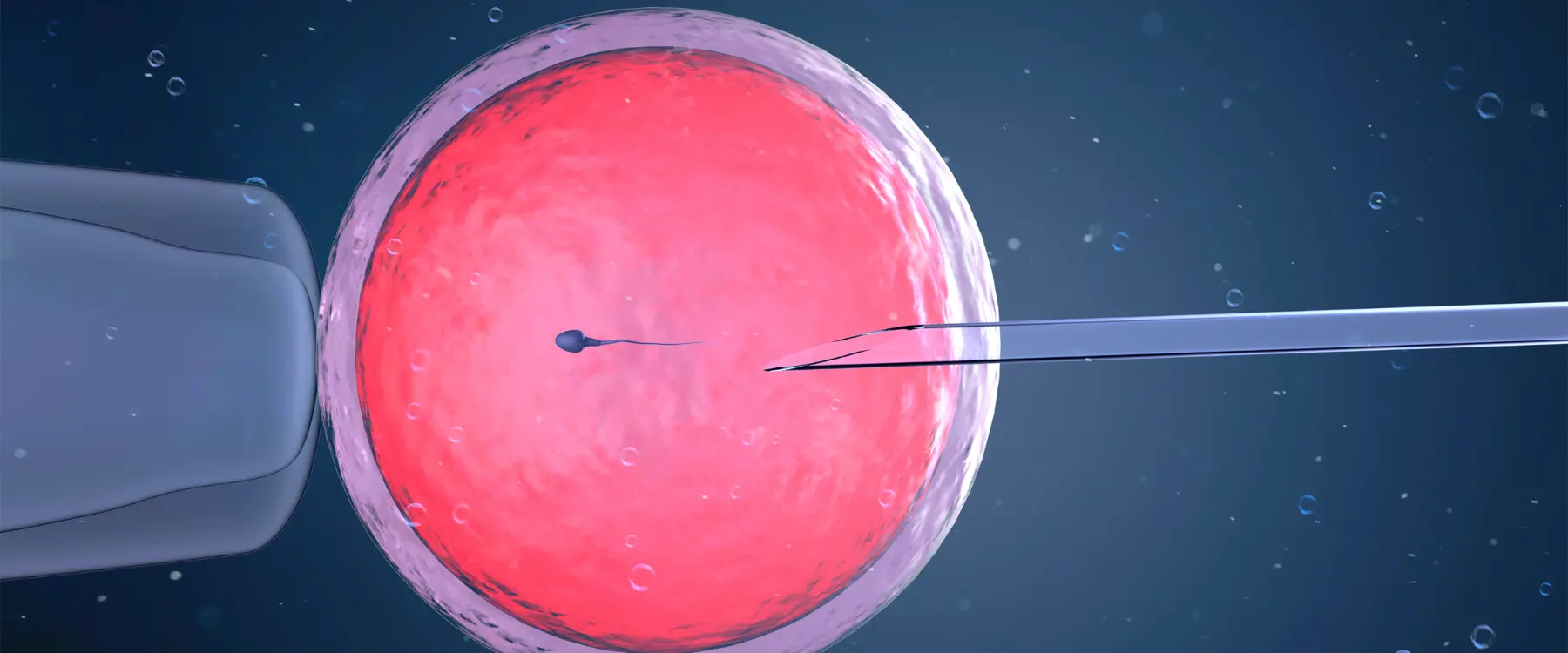
Once the eggs are retrieved, they are fertilised in the laboratory using sperm from the future father or a donor. This process is carried out using advanced reproductive technologies such as conventional IVF or ICSI (Intracytoplasmic Sperm Injection).
Embryo Development – Egg donation process Spain
The fertilised eggs, now embryos, are cultured in the laboratory for several days. During this time, their development is closely monitored, and only the highest-quality embryos are selected for transfer.
Endometrial Receptivity in the Egg Donation Process in Spain
Once the embryos are obtained, it is crucial for the future mother to prepare her endometrium for implantation. This is achieved through the administration of hormonal medications such as oestrogen and progesterone, which optimise the uterine environment.
To determine the ideal timing for embryo transfer, tests like the ERA test may be performed to identify the optimal implantation window.
Embryo Transfer – Egg donation process Spain
The embryo transfer is a simple and painless procedure performed under ultrasound guidance to ensure precise placement of the embryos in the uterus.
After the transfer, the future mother begins a period of rest to promote implantation and pregnancy.
Pregnancy Test – Egg donation process Spain
The success of the egg donation treatment in Spain is determined by a pregnancy test two weeks later. During this period (known as the “beta wait“), it is recommended to follow medical advice and maintain a calm lifestyle to support implantation.
Egg Donation Process in Spain: What Does the Law Say About Egg Donation?
The Spanish legal framework for egg donation is one of the most comprehensive in Europe. It is designed to protect the rights of all parties involved, including the donor, the recipient, and the resulting children.
The law emphasises the principles of anonymity and altruism. This means that egg donors and recipients never know each other’s identities. The only information shared includes non-identifying data such as physical characteristics, blood type, and medical history.
Altruism is another key aspect of the Spanish egg donation law. Although donors receive compensation for their time and inconvenience, it is not considered payment for the eggs themselves. This approach helps ensure that the process does not become commercialised.
Requirements for Selecting an Egg Donor
In Spain, the eligibility criteria for egg donors are clearly defined. The law stipulates that donors must be between 18 and 35 years old. This age range is chosen to ensure the highest quality eggs and the donor’s safety.
Here are some key points to understand about egg donation in Spain:
- It is governed by a legal framework that emphasises anonymity and altruism.
- The eligibility criteria for egg donors include age and health requirements.
- The process consists of several steps: medical testing, ovarian stimulation, egg retrieval, and post-donation follow-up.
- Donors and recipients are matched based on compatibility, and the donor’s anonymity is maintained.
- The success rates of fertility treatments with donor eggs in Spain are high, making them a very popular option among international patients.
Success Rates and Testimonials from Egg Donation
According to Dr. Spies, “The success rates of fertility treatments with donor eggs in Spain are impressive. This is due to the high quality of medical care and the advanced reproductive technologies used.”
It’s important to remember that success rates can vary depending on individual circumstances.
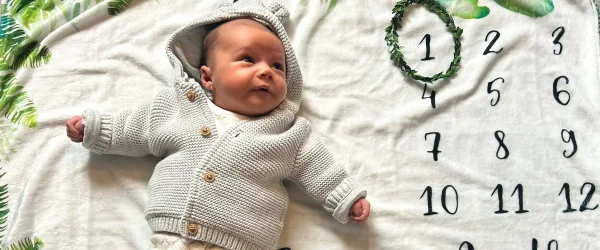
Here are some testimonials from egg donation that our brave patients have shared with us.



How to Choose the Best Egg Donation Clinic in Spain
Choosing a trustworthy fertility clinic specialising in egg donation is a crucial step in the process of building a family. Clinics like Vida Fertility play a significant role in facilitating the process. They ensure compliance with all medical, legal, and ethical standards.
When selecting a clinic, consider their success rates, the quality of care, and their working methodology, including both the professionals and the technology used.
At Vida Fertility, we prioritise the well-being and confidentiality of our patients, providing comprehensive support throughout the entire process, from the initial consultation to post-pregnancy test follow-up.
Why Choose Vida Fertility?
Choosing Vida Fertility for your egg donation treatment means selecting a centre that speaks your language and deeply understands your needs.
Our team, largely composed of professionals who have personally experienced fertility treatments, offers genuine empathy and understanding.
With strategically located clinics for easy access, we employ the most advanced technology and stay constantly updated with the latest medical advancements in the field of assisted reproduction.
At Vida Fertility, we not only offer cutting-edge treatments but also provide close and personalised support, ensuring you feel comfortable and well-informed at every step of your journey to motherhood.
Book an appointment
You may also like


Last news


Testimonials




Where can I find Vida Fertility centres in Spain?

📍 C/ Palermo 15, Hortaleza, 28043 Madrid
📞 Phone number: +34 919 29 83 23
🕒 Opening hours: Monday to Friday from 8am to 7pm
📍 Av. Óscar Esplá 1, Bajo, 03008 Alicante
📞 Phone number: +34 919 29 83 23
🕒 Opening hours: Monday to Friday from 8am to 7pm
ℹ️ The information published on Vida Fertility is reviewed by our fertility specialists and medical team, following up-to-date scientific criteria and evidence-based medicine. Our team is a member at scientific societies such as SEF, ESHRE and SEGO.