
 Español
  Français
  Deutsch
  Italiano
  Nederlands
  International
Requirements for egg donation treatment: who can access it?

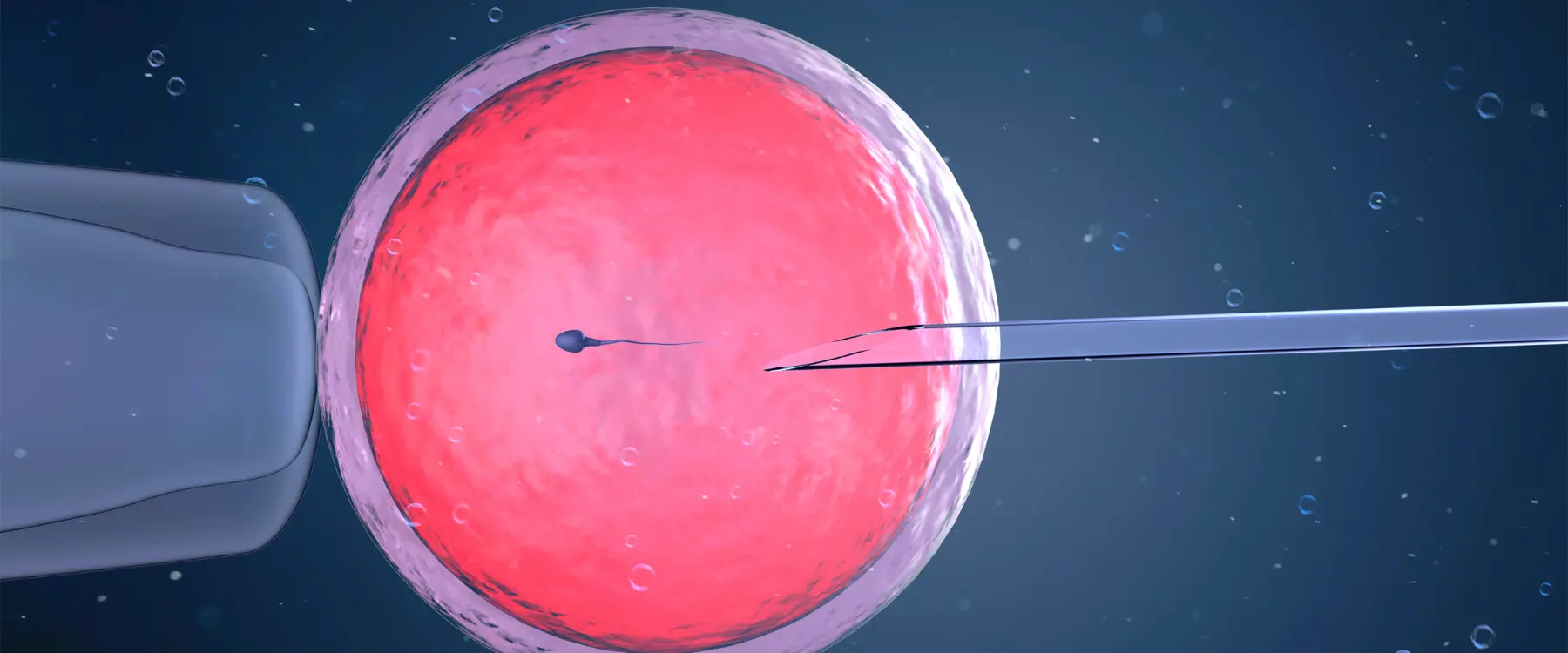
Egg donation treatment is an in vitro fertilisation procedure in which eggs from a donor are used to create embryos. It may be recommended when the chances of pregnancy with a patient’s own eggs are very low or when using them is not medically advisable.
But what requirements must be met to undergo egg donation treatment? The answer depends on Spanish law as well as the age, health and reproductive history of each patient.
In this article, Dr Katharina Spies, medical director of Vida Fertility, explains who can undergo treatment, which tests are needed and how each case is assessed before starting.


- What are the requirements for egg donation treatment?
- When may IVF with donor eggs be indicated?
- What age is required to access egg donation treatment?
- What tests are needed before egg donation treatment?
- Can I choose the egg donor?
- A personalised assessment before starting
- Frequently asked questions about the requirements for egg donation treatment
- Egg donation treatment at Vida Fertility
- Our fertility treatments
- The best fertility clinics in Spain
What are the requirements for egg donation treatment?
In general terms, to undergo egg donation treatment in Spain, the patient must:
- Be over 18 years old and have full capacity to consent to treatment.
- Be no older than 50.
- Sign the informed consent form.
- Have an appropriate medical or reproductive indication.
- Be in a state of health compatible with pregnancy.
- Undergo the necessary medical and gynaecological tests before egg donation treatment.
- Provide the documentation requested by the clinic.
- Not exceed the age limit established by the centre.
Law 14/2006 allows adult women to access assisted reproduction techniques regardless of their marital status or sexual orientation. Therefore, single women, heterosexual couples and female couples may undergo egg donation treatment.
Meeting the general requirements does not mean that the treatment is automatically indicated. We must first assess the patient’s health, medical history and uterine conditions to confirm that she can safely undergo pregnancy.
— Dr Katharina Spies
When may IVF with donor eggs be indicated?
The decision to undergo egg donation treatment must always be based on an individual medical assessment. It may be considered in the following situations:
Low ovarian reserve
A very low ovarian reserve can make it difficult to retrieve eggs and reduce the chances of creating embryos with the patient’s own gametes.
Poor egg quality
Age and other factors can affect egg quality. This may result in insufficient fertilisation, embryos that fail to develop or chromosomal abnormalities.
Ovarian insufficiency or menopause
Egg donation treatment can make pregnancy possible in cases of menopause or when the ovaries have stopped producing eggs, provided the patient has a functional uterus and a state of health compatible with pregnancy.
Genetic disorders
It may be recommended when there is a risk of passing on a genetic disorder and other reproductive options are not suitable.
Previous IVF treatments without pregnancy
After several unsuccessful IVF treatments in which no viable embryos were obtained or pregnancy was not achieved, the medical team may assess whether to continue with the patient’s own eggs or use donor eggs.
Previous surgery or medical treatment
Certain ovarian surgeries, cancer treatments or diseases can significantly affect ovarian function.
What age is required to access egg donation treatment?
At Vida Fertility, the maximum age for starting egg donation treatment is 50. However, age is not the only criterion: before accepting a patient for treatment, we assess her general health and potential obstetric risks.
Unlike IVF with a patient’s own eggs, in egg donation treatment the recipient’s age does not determine egg quality, because our donation programme excludes women over 30. However, age can affect the safety of pregnancy, so a medical assessment remains essential.
What tests are needed before egg donation treatment?
Before starting treatment, we check that the uterus is ready to receive the embryo and that there are no significant contraindications to pregnancy.
The assessment may include the following preliminary tests before egg donation treatment:
- Review of medical and reproductive history.
- Gynaecological examination and transvaginal ultrasound.
- Assessment of the uterus and endometrium.
- Mandatory serology tests.
- General and hormonal blood tests.
- Up-to-date cervical screening or gynaecological check-ups.
- Assessment of the uterine cavity when indicated.
- Additional tests based on age and medical history.
If the partner’s sperm is used, the sample must also be assessed with a semen analysis. Depending on family history and the treatment, genetic testing may be recommended to ensure appropriate compatibility with the donor.
Can I choose the egg donor?
No. In Spain, egg donation is anonymous and confidential. The patient cannot know or personally choose the donor.
The medical team selects the donor and seeks compatibility with the recipient according to clinical criteria and phenotypic characteristics. The donor must be an adult, be in good physical and psychological health and pass the required screening to rule out transmissible diseases. Egg donation law in Spain
These requirements apply to the donor and should not be confused with those that the patient receiving the eggs must meet.
A personalised assessment before starting





At Vida Fertility, we use the initial consultation to review the complete medical history, answer all questions about egg donation treatment and check whether it is truly the most suitable option. We then design the endometrial preparation and treatment according to each patient’s needs.
Learn how our egg donation treatment works and the steps we follow from the initial assessment to embryo transfer.
Frequently asked questions about the requirements for egg donation treatment
Dr Katharina Spies answers:
Can I undergo egg donation treatment if I am single?
Yes. Spanish law allows access to assisted reproduction regardless of marital status or sexual orientation. If there is no male partner, the donor eggs are fertilised with sperm from a donor.
Can I undergo egg donation treatment during menopause?
It may be possible if the uterus retains the necessary conditions and the patient’s health allows her to undergo pregnancy. Age, medical history and obstetric risks must be assessed before starting.
What happens if my test results are not up to date?
You can start with an initial consultation. The specialist will review the available documentation and tell you which tests need to be completed or updated before treatment.
Egg donation treatment at Vida Fertility
Would you like to know whether you meet the requirements for egg donation treatment?
Request an initial consultation with our team. We will review your medical history, the available test results and the options best suited to your case.





Vida Fertility Events
At Vida Fertility, we believe that feeling informed is the first step towards a more confident fertility journey.
Through our events, talks and private consultations, we help patients understand their options, ask questions and receive personalised guidance from our fertility specialists in Spain.
Discover our upcoming events and meet the Vida Fertility team.
Ask for a consultation
You may also like


Last news


Testimonials






The best fertility clinics in Spain
📍 C/ Palermo 15, Hortaleza, 28043 Madrid
📞 Phone number: +34 919 29 83 23
🕒 Opening hours: Monday to Friday from 8am to 7pm
📍 Av. Óscar Esplá 1, Bajo, 03008 Alicante
📞 Phone number: +34 919 29 83 23
🕒 Opening hours: Monday to Friday from 8am to 7pm
ℹ️ The information published on Vida Fertility is reviewed by our fertility specialists and medical team, following up-to-date scientific criteria and evidence-based medicine. Our team is a member at scientific societies such as SEF, ESHRE and SEGO.