
 Español
  Français
  Deutsch
  Italiano
  Nederlands
  International
What does Spanish law say about egg donation? Guide for international patients

When a foreign patient writes to us to start egg donation treatment in Spain, one of their first concerns is usually: What does the law say about this?
In countries such as Germany, Italy, France, the United Kingdom, the Netherlands and the United States, there are restrictions or legal loopholes that hinder or even prohibit egg donation treatment.
At Vida Fertility, as an international clinic specialising in assisted reproduction, we resolve these legal issues on a daily basis.
In this article, we talk to Dr Katharina Spies, medical director at Vida Fertility, about what the law says about egg donation in Spain, how it is applied in our clinics, and why Spain is one of the safest and most advanced countries for this treatment.


- What is egg donation?
- What legal regulations apply to egg donation in Spain?
- What legal aspects should you be aware of before travelling to Spain for egg donation?
- What medical and legal requirements do you need to undergo egg donation in Spain?
- What tests should you take before egg donation in Spain?
- Who can be an egg donor in Spain? How are donors chosen?
- Gamete donation and anonymity in each country
- Frequently asked questions about egg donation law in Spain
- Why choose Spain for egg donation treatment?
- Egg donation treatment at Vida Fertility
- Our fertility treatments
- Where can I find Vida Fertility centres in Spain?
What is egg donation?
Egg donation in Spain, or fertility treatment using eggs from an anonymous donor, is an effective reproductive solution for patients who cannot have children with their own eggs.
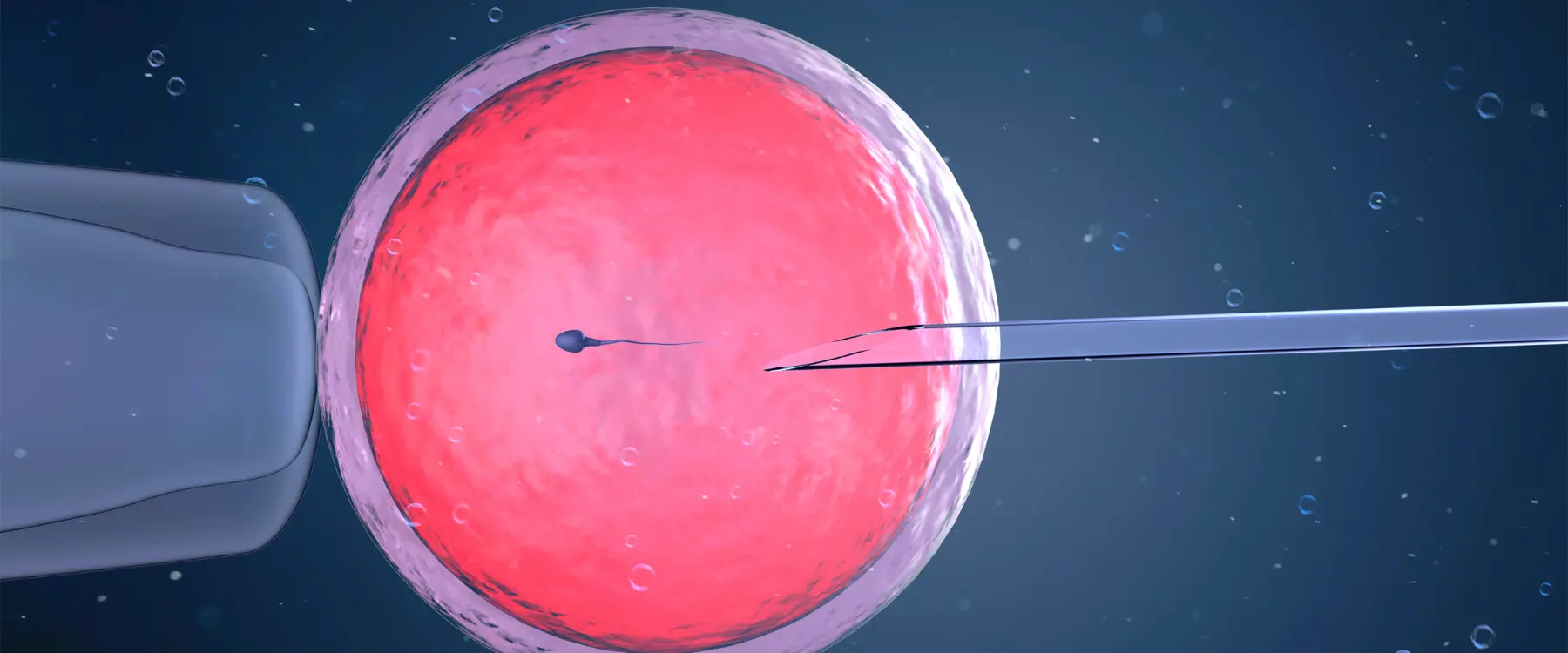
It is in vitro fertilisation (IVF) with the particularity that the egg that will give rise to the embryo will be provided by a donor. It is an effective treatment with high pregnancy rates at Vida Fertility.
What legal regulations apply to egg donation in Spain?
The legal framework regulating egg donation in Spain is set out in Law 14/2006 on Assisted Human Reproduction Techniques. This law establishes that:
- Egg donation is anonymous, voluntary, altruistic and confidential; neither the donor nor the recipient will know each other’s identity.
- The process is strictly regulated and controlled by the Ministry of Health.
- Only authorised centres such as Vida Fertility may carry out these treatments.
- The identity of the donor is anonymous and cannot be revealed, even to the recipient or the future child.
- Each donor may only contribute to the birth of a maximum of six live children in Spanish territory.
- Phenotypic and immunological is done using medical criteria and phenotypic compatibility (physical similarity).
- There are national registries and traceability systems that guarantee safety and legal monitoring.
Spanish law protects the donor, the recipient and the future baby. It is a legal framework that provides security, ethics and transparency.
What legal aspects should you be aware of before travelling to Spain for egg donation?
If you are considering travelling to Spain for egg donation treatment, you should bear in mind the following:
- It is not necessary to reside in Spain to access treatment. It is sufficient to have the required medical documentation.
- You must sign a legal informed consent form at the clinic.
- The treatment is permitted for single women or couples (heterosexual or homosexual).
- In Spain, it is not permitted to choose the donor personally: the medical centre makes the assignment according to clinical and physical criteria.
In addition, both the donor and the recipient are registered in the SIRHA (Assisted Human Reproduction Information System). This national system, which is run by the Ministry of Health, allows:
- Monitoring and recording of every gamete and embryo donation and reception procedure carried out in Spain.
- Control the number of cycles and births per donor, in accordance with the established legal limits.
- Guarantee the biological and legal traceability of all samples, with a unique identification system.
- Ensure compliance with current regulations and the protection of the data of all those involved.
The use of SIRHA provides an additional level of health, legal and ethical control, positioning Spain as one of the safest countries in the world for egg donation treatments.
What medical and legal requirements do you need to undergo egg donation in Spain?
At Vida Fertility we will ask you for:
- An up-to-date medical history, including hormone, gynaecological and serological tests. If you do not have these up to date, don’t worry, you can have them done at our fertility clinics in Spain.
- Proof of identity and marital status.
- Signing the legal consent form authorising the use of eggs from an anonymous donor.
- In some cases, an optional psychological assessment, if requested by the patient.
- If there is a male partner, a complete semen analysis is required.
- Karyotype test to detect possible chromosomal abnormalities in the embryo.
- Depending on the case, a genetic disease carrier study may be recommended to perform genetic matching with the donor, thus minimising hereditary risks.
You do not need to be registered in Spain or have Spanish health insurance. Our treatments are designed for international patients, with support in your language and full legal assistance.
What tests should you take before egg donation in Spain?
At Vida Fertility, we take care of every detail so that you feel supported and secure throughout the process.
Before we begin, we carry out a series of female fertility tests and male fertility tests to help us ensure that your body is ready to receive the embryo and promote implantation.
To avoid making this article too long, you can read all about the tests before egg donation at this link
Who can be an egg donor in Spain? How are donors chosen?
Donors must meet strict requirements:
- Be between 18 and 34 years of age.
- Be in good physical and mental health.
- Have no genetic history of hereditary diseases.
- Pass hormonal, infectious, genetic and psychological tests.
- Not have exceeded the legal limit for children born through donation.
At Vida Fertility, the donor selection process is exhaustive. We use advanced genetic testing (such as genetic matching and expanded carrier screening) to minimise risks.
Gamete donation and anonymity in each country
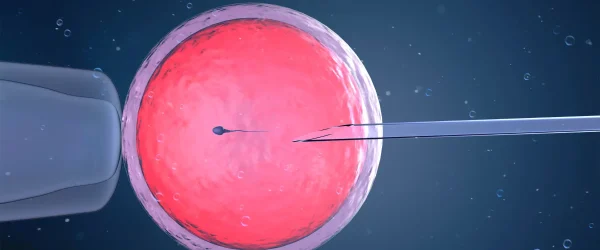
The eggs are fertilised in the fertility laboratory with anonymous donor sperm. In most cases, we perform microinjection using the ICSI technique, and the embryos are cultured to the blastocyst stage to maximise the probability of success.
| European Regulations on Assisted Reproduction | Treatment for Single Women and Ropa | Sperm Donation | Egg Donation | Donor Anonymity | Pre-implantation Genetic Diagnosis (PGD) | Embryo Adoption | Post-Mortem Fertilization | Sex Selection |
|---|---|---|---|---|---|---|---|---|
| Spain | Yes | Yes | Yes | Yes | Yes | Yes | Yes | Yes* |
| France | Yes | Yes | Yes | No | Yes | Yes | No | No |
| Germany | No | Yes | No | No | No | Yes | No | No |
| Italy | No | Yes | Yes | Yes | Yes | No | No | No |
| United Kingdom | Yes | Yes | Yes | Yes | Yes | No | No | Yes* |
| Ireland | Yes | Yes | Yes | No | Yes | Yes | No | No |
| Netherlands | Yes | Yes | Yes | No | Yes | Yes | No | No |
* Only in cases of sex-linked hereditary diseases.
Frequently asked questions about egg donation law in Spain
Is the egg donation process anonymous? Can my child find out who the donor was?
Dr Katharina Spies replies:
Yes, the process is completely anonymous in Spain. The law prohibits the disclosure of the donor’s identity, even to the child born.
This anonymity:
- Protects the donor, to avoid unwanted legal ties.
- Protects the recipient family, ensuring legal stability.
- Facilitates access to donation, without future commitments.
Spain is one of the few countries that maintains complete legal anonymity, which explains why thousands of patients from France, Germany, Italy, the United Kingdom and the Netherlands choose our clinics.
Is it legal to come to Spain for treatment with an anonymous donor?
Dr Katharina Spies replies:
Yes. There are no legal restrictions for international patients who wish to receive egg donation treatment in Spain under the anonymity model.
Spain is one of the most sought-after countries for:
- Single women who wish to become mothers by choice
- Heterosexual couples
- Mérodo ropa or IVF for female couples
- People with complex genetic histories
What legal monitoring is carried out on donors in Spain?
Dr Katharina Spies replies:
All donors at Vida Fertility are registered in the Ministry of Health’s Donor Information System. This system guarantees:
- Monitoring of the number of children born to each donor.
- The safety of the medical and legal process.
- The traceability of each sample.
- Compliance with the law and the established maximum limits.
Will I have legal problems when I return to my country?
Dr Katharina Spies replies:
In general, you should not have any legal problems when you return home.
The treatment is considered valid in your country of origin as long as it has been carried out legally in Spain. For very specific questions, it is advisable to:
- Consult a family lawyer if you have any doubts.
- Check with your embassy or consulate.
- Seek the support of a clinic such as Vida Fertility, with international legal experience.
How is the donor chosen for me?
Dr Katharina Spies replies:
This is one of the questions I am asked most often in my practice: Can I choose the donor? Will she look like me?
The answer is clear: you cannot personally choose the donor, because the law guarantees anonymity. However, as doctors, we do carefully select the donor who most closely resembles you physically and who is genetically compatible with you and your partner (if applicable).
The Vida Fertility team makes a personalised assignment. This choice is confidential, secure and always made with the well-being of the future baby in mind.
Why choose Spain for egg donation treatment?
At Vida Fertility, we not only advocate for what Spanish law on assisted human reproduction offers, but we also:
- Have our own donors, which allows us to perform fresh cycles without having to freeze the eggs.
- Offer very high success rates.
- Anonymity guaranteed by law, something that does not exist in many countries.
- Our prices are more affordable than in many countries.
- We guarantee medical and legal safety.
- We provide emotional support to the patient from day one.
Egg donation treatment at Vida Fertility
Egg donation in Spain is not just an option, it is a guarantee. A guarantee of legality, anonymity, ethical donor selection and safety for you and your future baby.
At Vida Fertility, we are here to help you with any legal, medical or emotional questions you may have. We know that this step requires trust, and we are here to provide you with all the information you need to make your decision with peace of mind.
Would you like to know if you meet the legal and medical requirements to begin egg donation in Spain?
Book your first informative consultation with Vida Fertility. We will study your case in complete confidentiality and in your language.





Ask for a consultation
You may also like


Last news


Testimonials






Where can I find Vida Fertility centres in Spain?

📍 C/ Palermo 15, Hortaleza, 28043 Madrid
📞 Phone number: +34 919 29 83 23
🕒 Opening hours: Monday to Friday from 8am to 7pm
📍 Av. Óscar Esplá 1, Bajo, 03008 Alicante
📞 Phone number: +34 919 29 83 23
🕒 Opening hours: Monday to Friday from 8am to 7pm
ℹ️ The information published on Vida Fertility is reviewed by our fertility specialists and medical team, following up-to-date scientific criteria and evidence-based medicine. Our team is a member at scientific societies such as SEF, ESHRE and SEGO.