
 Español
  Français
  Deutsch
  Italiano
  Nederlands
  International
Female Fertility Tests: types, prices and why they are important

One of the keys to any fertility treatment is a personalised diagnosis, i.e. a prior assessment of the woman’s reproductive capacity.
The female fertility tests we perform at Vida Fertility include the evaluation of hormonal status through blood tests, a vaginal ultrasound to obtain additional details about the uterine cavity, the eggs and the endometrium, as well as a review of the medical history.
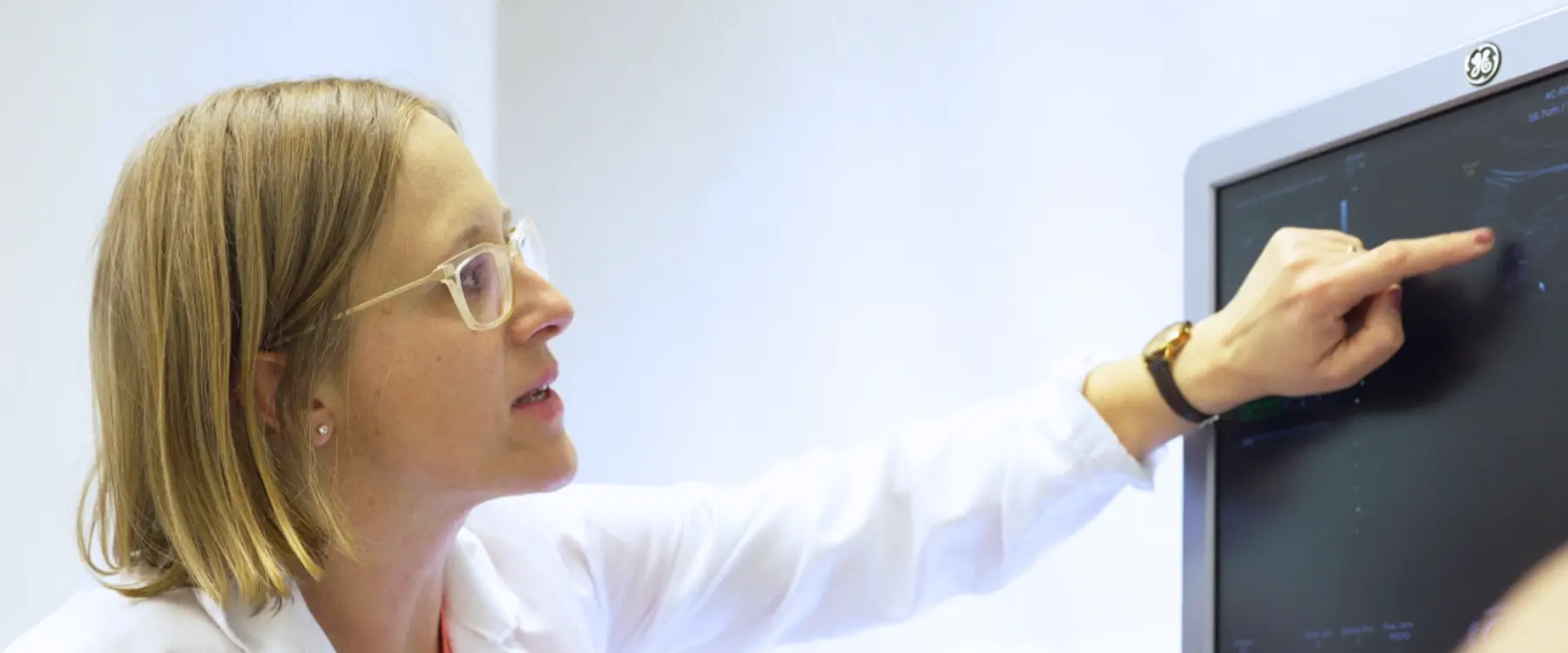
Below, we talk to Dr Spies about what female fertility tests are and why they are so important when you want to become a mother.


According to Vida Fertility’s medical director Dr Katharina Spies, if you’ve been trying to conceive for a year without success, it’s time to see a fertility specialist to find out what’s going on. This time is reduced to six months when a woman is 35 or older.
In this article, we talk to the doctor about the different female fertility tests that can help you better understand your reproductive health and bring you closer to your dream of becoming a mother.
What are the female fertility tests performed at Vida Fertility?
Female fertility tests are performed to evaluate and diagnose a woman’s reproductive capacity.
These tests are essential to identify possible causes of infertility and determine the appropriate treatment to achieve pregnancy.
Types of female fertility tests
Although this article discusses fertility tests for women, both men and women should undergo infertility testing, as both can be the source of problems conceiving.
Hormone Analysis
Hormones play a crucial role in a woman’s reproductive capacity. Any disturbance in them can affect the menstrual cycle and make pregnancy difficult.
The key hormones assessed in the diagnosis of female fertility are described below:
- Indicative of the number of eggs available in the ovary.
- Normal levels: 0.7 to 3.5 mg/ml.
- Low levels (<0.7 mg/ml) may suggest early menopause.
Transvaginal ultrasound

Ultrasound is performed to visualise the ovaries, uterus and fallopian tubes. It helps to identify cysts, fibroids, uterine malformations and other structural problems.
In addition, transvaginal ultrasound can be used to count antral follicles to assess ovarian reserve.
HSG is a test that uses X-rays to evaluate the fallopian tubes and uterus. It can detect blockages or irregularities that may prevent conception.
Endometrial Biopsy
Endometrial biopsy involves taking a sample of the lining of the uterus to test for implantation problems and to determine endometrial receptivity.
Hysteroscopy (HSC)
It is recommended in cases of miscarriage and to detect abnormalities in the uterus such as uterine polyps and uterine fibroids.
Karyotype studies
Karyotype analysis is used to identify possible alterations in the number or structure of chromosomes that may cause infertility.
Since all cells with nuclei contain chromosomes, this test can be performed on a simple blood sample by examining white blood cells or lymphocytes.
Female fertility tests at Vida Fertility
Female fertility tests are essential to understand and personalise fertility treatment for a successful pregnancy.
At Fertility Clinic in Spain in Vida Fertility Madrid and Alicante, we have a team of experts led by Dr. Katharina Spies, who will guide you every step of the way to motherhood.
Contact us today for more information and start your journey to conception with confidence!
For more information about female fertility tests and to start your treatment, do not hesitate to contact us. We are here to help you fulfil your dream of becoming a mother.
Learn more about testing before treatment to become a single mother!
FAQs on female fertility tests
What tests do you have to know if you are fertile?
Dr. Katharina Spies answers:
If a woman is not yet considering pregnancy, it is advisable to have an ultrasound and a Pap smear. These tests can determine the stage of the menstrual cycle, rule out possible uterine abnormalities or other pathologies. In addition, it would be ideal to complement this check-up with a hormone analysis to assess the state of your ovarian reserve according to your age.
On the other hand, if you have been trying to conceive for more than a year without success, it is essential to carry out a complete fertility study. This includes a detailed hormone analysis, ultrasound, hysterosalpingography and karyotype.
At Vida Fertility, we are here to help you solve all your doubts and take the first step towards your diagnosis. We invite you to fill in our contact form so that we can give you personalised advice.
What female fertility tests are most important?
Dr. Katharina Spies answers:
The most important tests to assess female infertility include:
- Blood tests to identify female hormone levels: including measurement of FSH and Estradiol (E2), Anti-Mullerian Hormone (AMH), TSH and Prolactin levels.
- Evaluation of the fallopian tubes: Through a hysterosalpingography to check their permeability.
- Pelvic ultrasound: A detailed count of antral follicles is performed to assess ovarian reserve.
If you are looking for a complete and personalised assessment, at Vida Fertility we can help you, fill in our form and take the first step towards your diagnosis!
Are there any male fertility tests?
Dr. Katharina Spies answers:
Of course! Male fertility can also be assessed through various specific male fertility tests that analyse the quality and functionality of the sperm. The main test is the seminogram, also known as semen analysis, which evaluates parameters such as sperm concentration, motility and morphology.
In addition, more advanced tests can be performed on a case-by-case basis. If you have been trying to get pregnant for some time without success, consult us about your case.
How to calculate my fertile days
Dr. Katharina Spies answers:
Calculating your fertile days can be key if you are looking to get pregnant. Generally, the fertile period in a standard 28-day menstrual cycle occurs around day 14, coinciding with ovulation. However, this can vary depending on the length and regularity of your cycle.
To calculate your fertile days: read all about how to calculate your ovulation.
What hormones affect female fertility
Dr. Katharina Spies answers:
Female fertility is closely related to the body’s hormonal balance. Some of the key hormones that influence this process are:
- Follicle Stimulating Hormone (FSH).
- Luteinising Hormone (LH)
- oestrogen
- Progesterone
- Antimullerian Hormone (AMH)
- Prolactin
- Thyroid Hormones
An imbalance in any of these hormones can complicate conception. It is therefore essential to have a complete hormone analysis if you are having difficulty getting pregnant.
Where can I get tested for female fertility?
Dr. Katharina Spies answers:
At Vida Fertility, we provide you with all the necessary tests for a complete fertility study in one place. We have a multidisciplinary team and a laboratory equipped with advanced technology so that you don’t have to visit different specialists. Here you will find everything you need to take the first step towards your dream of becoming a mother or father, contact us and start your journey with us!
Learn more about fertility check-up






Vida Fertility Events
At Vida Fertility, we believe that feeling informed is the first step towards a more confident fertility journey.
Through our events, talks and private consultations, we help patients understand their options, ask questions and receive personalised guidance from our fertility specialists in Spain.
Discover our upcoming events and meet the Vida Fertility team.
Book an appointment
You may also like



Last news


Testimonials







The best fertility clinics in Spain

📍 C/ Palermo 15, Hortaleza, 28043 Madrid
📞 Phone number: +34 919 29 83 23
🕒 Opening hours: Monday to Friday from 8am to 7pm
📍 Av. Óscar Esplá 1, Bajo, 03008 Alicante
📞 Phone number: +34 919 29 83 23
🕒 Opening hours: Monday to Friday from 8am to 7pm
ℹ️ The information published on Vida Fertility is reviewed by our fertility specialists and medical team, following up-to-date scientific criteria and evidence-based medicine. Our team is a member at scientific societies such as SEF, ESHRE and SEGO.