
 Español
  Français
  Deutsch
  Italiano
  Nederlands
  International
Low progesterone in a fertility treatmentd
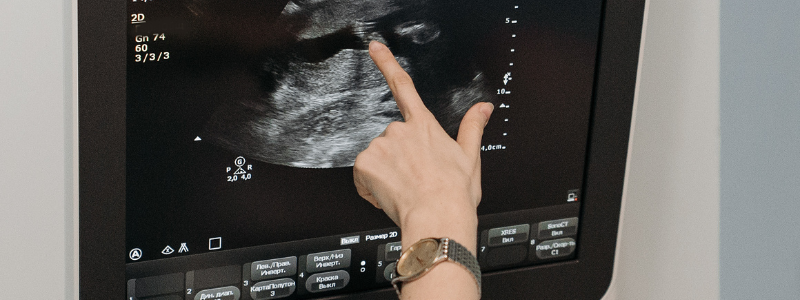
Progesterone is an essential hormone in the female body, especially in fertility and pregnancy processes. In Vida Fertility we talked to the medical director, Dr. Alejandra García-Villalba about the importance of balancing progesterone levels in each fertility treatment and the consequences that the lack of this hormone can have in the process of achieving pregnancy.


What is progesterone and why is it important for fertility?
Progesterone is a hormone produced mainly by the ovaries after ovulation and in the placenta during pregnancy, and to a lesser extent also by the adrenal glands. It plays a crucial role in preparing the uterus to receive the embryo and thus in the ability to conceive and carry a pregnancy.
In terms of fertility, progesterone is essential because without adequate levels of this hormone, the uterus will not be receptive to the embryo, which can lead to implantation failure and increase the risk of recurrent miscarriage.
Progesterone levels
Progesterone levels vary depending on the phase of the menstrual cycle, being essential for both implantation and embryo development.
- Early follicular phase: Levels should be kept low, between 0.1 and 0.7 ng/ml.
- Late follicular phase: It is crucial to avoid an early increase, so levels below 1.2-1.5 ng/ml are sought.
- Early and mid luteal phase: Progesterone should exceed 8.8-10.5 ng/ml to ensure a suitable environment for implantation.
Progesterone level to achieve pregnancy
In order to conceive, a hormonal balance is essential as an excess in the first phase of the cycle or a deficiency in the second phase can make pregnancy difficult.
Progesterone, whether produced naturally or administered, transforms the endometrium from proliferative to secretory, creating an environment conducive to embryo implantation.
Adequate progesterone levels during pregnancy
Throughout gestation, progesterone levels gradually increase:
- First trimester: 10-44 ng/ml.
- Second trimester:5-82.5 ng/ml.
- Third trimester: 65-290 ng/ml.
This hormone not only plays a crucial role in implantation, but also ensures the proper development of the pregnancy and the baby.
When to test for progesterone
The measurement of progesterone levels in assisted reproduction can be done at different times of the cycle:
- At the beginning of the cycle (early follicular phase) to verify the suppression of the corpus luteum from the previous cycle.
- Near ovulation (late follicular phase), to ensure that the endometrium is in optimal condition for implantation.
- During the luteal phase, both in natural cycles and in those with hormonal support, to check the correct endogenous production or the adequate absorption of the hormonal treatment in embryo transfers.
This test is performed by peripheral blood collection in the laboratory, with results available in approximately two hours.
Low progesterone: Causes and solutions for having a baby
Causes of low progesterone
There are many reasons why progesterone levels may be low. Among the most common are:
- Anovulatory cycle: If there is no ovulation, the ovaries do not produce adequate amounts of progesterone.
- Problems in the corpus luteum: This is the follicle that remains after ovulation and is responsible for producing progesterone. If it is not functioning properly, progesterone production will be insufficient.
- Stress and external factors: Chronic stress and lifestyle can affect hormone levels, including progesterone.
- Diseases and medical conditions: Some conditions, such as polycystic ovary syndrome (PCOS) or thyroid problems, can alter progesterone production.
Effects of low progesterone on fertility
Lack of progesterone can have a direct impact on fertility, as it:
- It hinders embryo implantation. Without progesterone, the endometrium does not develop properly to receive the embryo.
- Increases the risk of recurrent miscarriage. Progesterone is essential to maintain pregnancy in its early stages. With low levels, the risk of pregnancy loss is higher.
- Affects fertility treatments. During fertility treatments, such as in vitro fertilisation (IVF), it is crucial that progesterone levels are balanced to increase implantation rates.
Treatments for low progesterone in fertility
Fortunately, there are effective treatments to balance progesterone levels and improve fertility.
At Vida Fertility, we tailor each treatment to each patient’s needs. The most common methods include:
- Progesterone supplementation: These are usually administered in the form of oral or vaginal tablets or injections to increase progesterone levels during the cycle or after ovulation.
- Complementary hormonal treatment in IVF: In IVF treatments, it is common to administer progesterone in the luteal phase to ensure that the uterus is in the best condition for embryo implantation.
- Lifestyle modifications: In some cases, it is recommended to reduce stress and improve diet and sleep habits, as these factors can influence progesterone levels.
- Combined therapies: In patients with a history of recurrent miscarriage, hormonal treatments can be combined with other therapies to improve endometrial quality and reduce the risk of miscarriage. In women with medical pathology such as hypothyroidism, adequate TSH levels must be maintained, so appropriate medical treatment and a multidisciplinary team are essential.
Symptoms of low progesterone
Some of the most common symptoms include:
- Irregular menstrual cycles or lack of ovulation.
- Spotting or light bleeding between periods
- Problems conceiving or infertility
- Mood swings and severe premenstrual symptoms
- Fatigue and decreased sex drive
These symptoms can vary from woman to woman and are not always directly related to low progesterone, so hormone testing is essential to confirm the diagnosis.
Frequently asked questions about low progesterone and fertility
Does low progesterone always cause infertility?
Dr. Alejandra García-Villalba answers:
Not necessarily. Although low progesterone can affect fertility, it is not always the only cause of infertility. It is important to perform a complete diagnosis to identify all the factors involved.
What happens if progesterone drops during pregnancy?
Dr. Alejandra García-Villalba answers:
Low progesterone in early pregnancy can increase the risk of miscarriage. For this reason, many assisted reproduction specialists recommend measuring and, if necessary, supplementing progesterone during pregnancy.
Does low progesterone affect only women?
Dr. Alejandra García-Villalba answers:
No, although to a lesser extent, men also produce progesterone, and this hormone plays a role in their overall health. However, in the context of fertility, progesterone is more relevant in women.
How progesterone is administered
Dr. Alejandra García-Villalba responds:
Although progesterone can be administered in several ways, at Vida Fertility we prefer vaginal and subcutaneous progesterone administration as we have been able to improve low progesterone levels in patients who required it:
- Vaginal: In 100, 200 or 400 mg ovules, it is simple to use, however, it can cause vaginal irritation. Examples: Progeffik®, Utrogestan® and Cyclogest®.
- Subcutaneous: Good bioavailability, but may cause irritation at the injection site (Prolutex®).
- Intramuscular: Offers good concentrations, but is painful and is in disuse because of the need for health care.
- Oral: Less effective and with more side effects (drowsiness, nausea), so it is not usually recommended initially.
At Vida Fertility, we know that progesterone is one of the key hormones in fertility and the success of assisted reproduction treatments. Adequate progesterone levels are essential to avoid embryo implantation failure and early pregnancy development.
If you have low progesterone or are considering fertility treatment, our team of specialists is here to provide you with the support and personalised treatment you need.
Our fertility treatments






Vida Fertility Events
At Vida Fertility, we believe that feeling informed is the first step towards a more confident fertility journey.
Through our events, talks and private consultations, we help patients understand their options, ask questions and receive personalised guidance from our fertility specialists in Spain.
Discover our upcoming events and meet the Vida Fertility team.
Ask for a consultation
You may also like




Last news


Testimonials







The best fertility clinics in Spain
📍 C/ Palermo 15, Hortaleza, 28043 Madrid
📞 Phone number: +34 919 29 83 23
🕒 Opening hours: Monday to Friday from 8am to 7pm
📍 Av. Óscar Esplá 1, Bajo, 03008 Alicante
📞 Phone number: +34 919 29 83 23
🕒 Opening hours: Monday to Friday from 8am to 7pm
ℹ️ The information published on Vida Fertility is reviewed by our fertility specialists and medical team, following up-to-date scientific criteria and evidence-based medicine. Our team is a member at scientific societies such as SEF, ESHRE and SEGO.