
 Español
  Français
  Deutsch
  Italiano
  Nederlands
  International
Stages of embryonic development

Embryonic development is a complex and meticulously orchestrated process that begins with the fertilisation of an egg by a sperm and culminates in the formation of a fully developed foetus. We spoke to Dr. Beatriz Lozano about the stages of embryonic development.
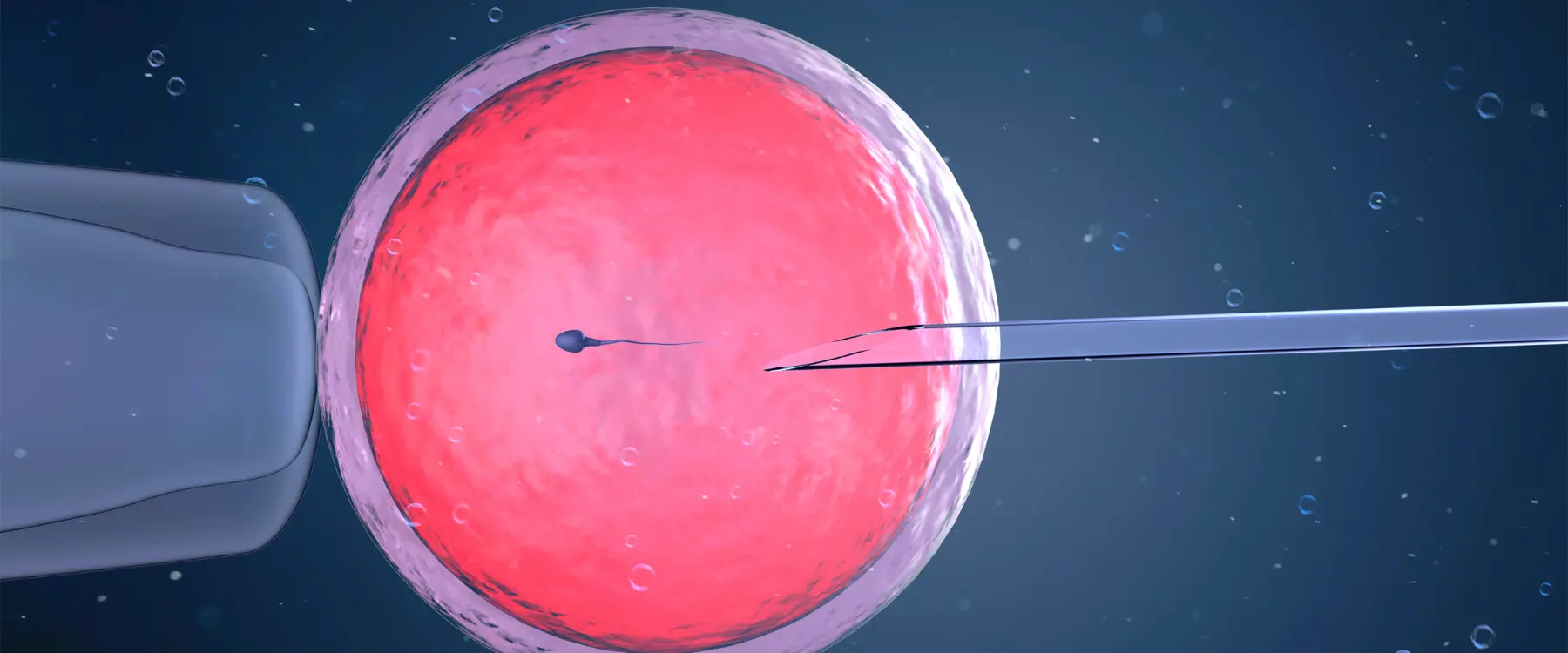
In the context of assisted reproduction, such as in vitro fertilisation (IVF) or intracytoplasmic sperm injection (ICSI), embryonic development takes on special relevance, as it allows fertility specialists to observe and support this process from its earliest stages outside the mother’s body.


What are the stages of embryonic development?
As we see in the video, in the initial stages of assisted reproduction, eggs and sperm are manipulated in a laboratory to facilitate fertilisation.
Once achieved, embryo development is closely monitored through several key stages:
Zygote D1
After egg retrieval, in vitro fertilisation begins, where the gametes are joined by IVF or ICSI. 16 to 18 hours later, it is assessed whether adequate fertilisation has taken place. In this first stage, the zygote, a single cell with two pronuclei carrying the genetic material (DNA) of the egg and sperm, is formed.
Embryo D2-3
At this stage, cell division begins: the zygote becomes two cells, then four and so on, reaching eight cells on the third day and we call them embryos.
Morula D4
After several divisions, the embryo becomes a morula, a compact mass of cells.
Blastocyst D5-6
The morula develops into a blastocyst, a more complex structure with an internal cavity and initial cell differentiation that indicates the cells that will form the foetus and those that will contribute to the formation of the placenta.
The blastocyst stage is crucial for the implantation of the embryo in the uterus. For this reason, at Vida Fertility we strive to perform the embryo transfer on the fifth or sixth day, imitating the natural process in which the embryo reaches the ideal place to nest and start the gestation process.

Video of the diferent stages of embryonic development up to blastocyst
This is what the first 5 days of embryo development up to the blastocyst stage are like, the optimal moment for transfer. The video shows the stages of embryonic development of a 5AA quality embryo.
Embryo Selection: Embryo Screening and Testing
In the context of assisted reproduction, it is crucial to perform specific examinations and tests at these early stages to ensure the healthy development of the embryo and increase the chances of a successful pregnancy.
These tests include:
- Evaluation of embryo quality: Microscopy is used to evaluate the morphology of the embryo, selecting the best quality embryos for transfer.
- Pre-implantation genetic testing (PGT): These tests detect genetic abnormalities in the embryo before implantation, reducing the risk of genetic disorders.
- Embryo development monitoring (Time-lapse): Using real-time technology to observe embryo growth and development, identifying the most viable embryos for implantation.
These tests and procedures are critical, as they allow infertility specialists to make decisions about embryo selection and treatment management, maximising the likelihood of pregnancy success and minimising the risk of complications.
Every day, at Vida Fertility, we observe and evaluate multiple variables of embryo development: if the embryo is dividing correctly, if it presents any anomaly, if it has stopped…
If you are considering assisted reproduction or have questions about embryo development and pre-implantation testing, we invite you to contact Vida Fertility. We are here to help you achieve your dream of having a baby.
Start your treatment with us and take the first step towards realising your dream of starting a family.
Related articles to stages of embryonic development :

Learn about the requirements for egg donation treatment in Spain: age, indications, medical tests and documentation needed to begin treatment.

Find out about the requirements for egg donation in Spain: age, health, medical tests, the process and what the law says. Get answers to your questions and book an information appointment at Vida Fertility.

Getting pregnant through egg donation offers the highest probability for women over 40. We explain the process, donor selection and success rates.
Book an appointment
You may also like


Last news about stages of embryonic development


Testimonials




ℹ️ The information published on Vida Fertility is reviewed by our fertility specialists and medical team, following up-to-date scientific criteria and evidence-based medicine. Our team is a member at scientific societies such as SEF, ESHRE and SEGO.