
 Español
  Français
  Deutsch
  Italiano
  Nederlands
  International
SEF in Seville 2026: Vida Fertility to attend the 35th National Congress of the Spanish Fertility Society

There are times when professional news is, at its core, also news for our patients. Because if you are undergoing assisted reproduction, what you need most is not just hope: you need judgement, certainty and the peace of mind that comes from knowing your medical team isn’t sticking to the status quo.
Vida Fertility will be attending SEF in Seville 2026, the 35th National Congress of the Spanish Fertility Society, taking place from 6 to 9 May 2026 at FIBES II.
At the fertility clinic in Spain, we met Dr Marta Zermiani and Beatriz Lozano, laboratory director at Vida Fertility. And we’re going with a very clear aim: to be committed to advances, new methods and constant learning, to transform all that knowledge into real clinical decisions.


What is the SEF?
The Spanish Fertility Society (SEF) is a non-profit scientific organisation dedicated to promoting research and knowledge on fertility and assisted reproduction. Its work includes promoting studies, disseminating rigorous information for professionals and the general public, and providing expert guidance to public bodies and other institutions when they require advice in this field.
Furthermore, the SEF is one of Spain’s leading medical organisations in reproductive medicine, and makes documents and resources on human fertility available to the public to help them better understand treatments, scientific evidence and best practices.
Every two years, the SEF brings together professionals from across Spain (and international speakers) to review the most relevant developments in:
- Ovarian stimulation and personalised treatments,
- Endometrial receptivity and the endometrium,
- Reproductive genetics,
- Safety in assisted reproduction techniques,
- And, of course, laboratory procedures: vitrification, culture, embryo selection and the integration of new technologies.
At the 35th SEF Congress in Seville 2026, there are sessions focused on safety, the uterus and reproductive genetics, three pillars that every patient experiences. It is the place where it is discussed which practices are becoming established, which are being refined and which are, quite simply, no longer relevant.
SEF in Seville 2026: new treatments and advances in assisted reproduction
Safety and risks in assisted reproduction
At the SEF in Seville 2026, there are sessions dedicated to safety and long-term risks in assisted reproduction.
- Adjusting medication to reduce the risk of hyperstimulation,
- Decisions on the number of embryos to transfer,
- Laboratory protocols with sample traceability and quality control.
It is these kinds of scientific debates that refine the medical protocols we follow at the clinic.
Endometrium, adenomyosis and receptivity
The programme includes content on adenomyosis, assessment of endometrial receptivity and the impact of the microbiome.
This connects directly to very real situations: patients with good-quality embryos and yet transfers that do not take.
At Vida Fertility, we address these areas using specific diagnostic tools (for example, tests that assess receptivity and the immune system). If you’d like to find out more, we have related content, such as the EndomeTRIO Test. We also explain the importance of the microbiome in our article on microbiota and fertility.
Reproductive genetics and PGT-A
Another focus of the conference is reproductive genetics: platforms, applications and limitations of PGT-A, as well as discussions on screening and new approaches.
For our patients, it is important to know how PGT-A or DGP can help you and how we interpret the results without creating false expectations.
Laboratory: vitrification and Artificial Intelligence applied to assisted reproduction
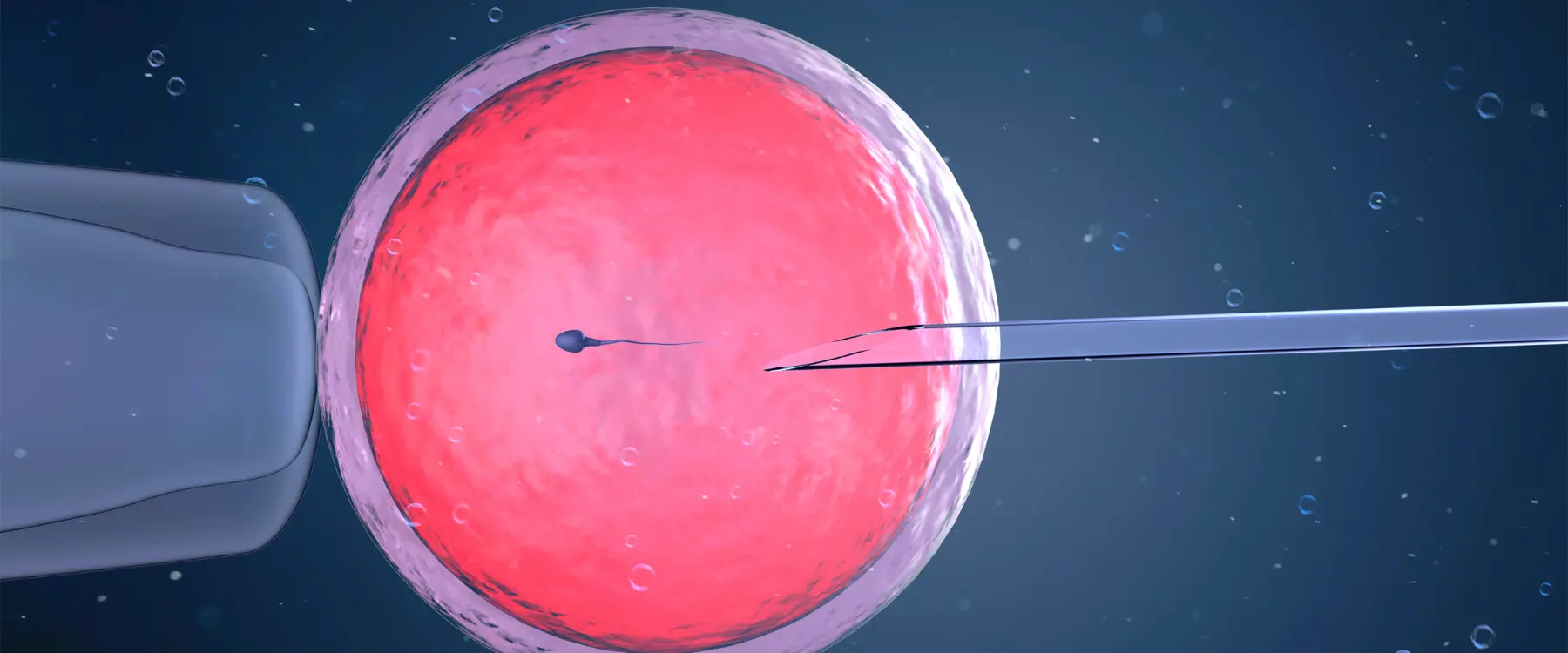
If there is one place where assisted reproduction is advancing, it is the fertility laboratory. The programme features topics such as advances in vitrification and a session on artificial intelligence in assisted reproduction.
It is particularly significant that Beatriz Lozano, laboratory director at Vida Fertility, will be attending. Because excellence in the laboratory cannot be improvised: it is built through continuous training, protocol reviews and a culture of improvement. Because reproductive medicine is advancing rapidly and the best way to ensure good outcomes is to stay up to date on safety, the endometrium, genetics and laboratory practices, which are central pillars of the programme.
Vida Fertility at SEF in Seville 2026
At Vida Fertility, we will be attending the SEF in Seville 2026 to continue learning, sharing and bringing back what truly matters: safer and more humane clinical decisions.
Would you like us to review your case at our leisure and provide you with a clear, personalised plan? Book your appointment at Vida Fertility and let us support you from the very first step, with evidence, experience and a personal touch.






Ask for a consultation
You may also like


Last news


Testimonials




Where can I find Vida Fertility centres in Spain?

📍 C/ Palermo 15, Hortaleza, 28043 Madrid
📞 Phone number: +34 919 29 83 23
🕒 Opening hours: Monday to Friday from 8am to 7pm
📍 Av. Óscar Esplá 1, Bajo, 03008 Alicante
📞 Phone number: +34 919 29 83 23
🕒 Opening hours: Monday to Friday from 8am to 7pm
ℹ️ The information published on Vida Fertility is reviewed by our fertility specialists and medical team, following up-to-date scientific criteria and evidence-based medicine. Our team is a member at scientific societies such as SEF, ESHRE and SEGO.