
 Español
  Français
  Deutsch
  Italiano
  Nederlands
  International
PGT-A or PGS: Preimplantational genetic test for Aneuploidy

In the search for motherhood through assisted reproduction, the Preimplantation Genetic Diagnosis Test, known as PGT-A (Preimplantation Genetic Testing for Aneuploidies) or PGS, represents an essential tool for the success of pregnancy at Vida Fertility.
We talked to Beatriz Lozano, director of Vida Fertility’s laboratory, about what PGT-A is, its importance, and how it can maximise the chances of success in fertility treatments.


- What is the PGT-A or PGS test and what does it consist of?
- What is the difference between PGT-A and PGT-M?
- Who is PGT-A or PGS indicated for?
- How it works: The step-by-step of the PGT-A test
- Why is it advisable to perform PGT-A or PGS?
- What diseases does PGT-A detect?
- How long do PGT Results take?
- Request your PGT-A appointment at Vida Fertility
What is the PGT-A or PGS test and what does it consist of?
PGT-A is a genetic diagnostic technique performed in the laboratory to evaluate, by means of an embryo biopsy, the genetics of embryos obtained prior to their transfer to the uterus.
Its main objective is to detect aneuploidies -alterations in the number of chromosomes- that could compromise the development of the pregnancy or result in adverse genetic conditions.

What are chromosomes?
Chromosomes are the structures in which genetic information is stored. Our genes, our DNA, are organised into these chromosomes, which determine our phenotype (physical characteristics) and our predisposition to certain diseases.
Each person normally has 46 chromosomes, divided into 23 pairs. Therefore, abnormalities in this configuration can lead to health problems or reproductive difficulties.
What are the benefits of taking the PGT-A or PGS?
Performing the PGT-A test allows:
- Increase the success of pregnancy per transfer, thus reducing the number of transfers to be performed to achieve pregnancy.
- Reduce the risk of miscarriage and implantation failure.
- In patients with translocations, it prevents their transmission to offspring.
- It reduces the psychological burden of assisted reproduction treatments.
What is the difference between PGT-A and PGT-M?
While PGT-A focuses on analysing whether the number of chromosomes is correct, PGT-M (Preimplantation Genetic Testing for Monogenic diseases) focuses on specific gene mutations, which can lead to the transmission of this genetic alteration to the offspring.
Both tests are performed prior to implantation, but their approach and techniques are different and tailored to the specific needs of the parents.

Who is PGT-A or PGS indicated for?
PGT-A is indicated in cases of:
- Repeated miscarriages.
- Older women who wish to conceive.
- Couples who have experienced implantation failures
- Those with a family history of chromosomal disorders.
- Male factor with significant alterations in the seminogram.
How it works: The step-by-step of the PGT-A test
Ovarian stimulation and egg collection
After ovarian stimulation, eggs are retrieved (ovarian punction) for fertilisation in the laboratory.
Fertilisation and embryo development
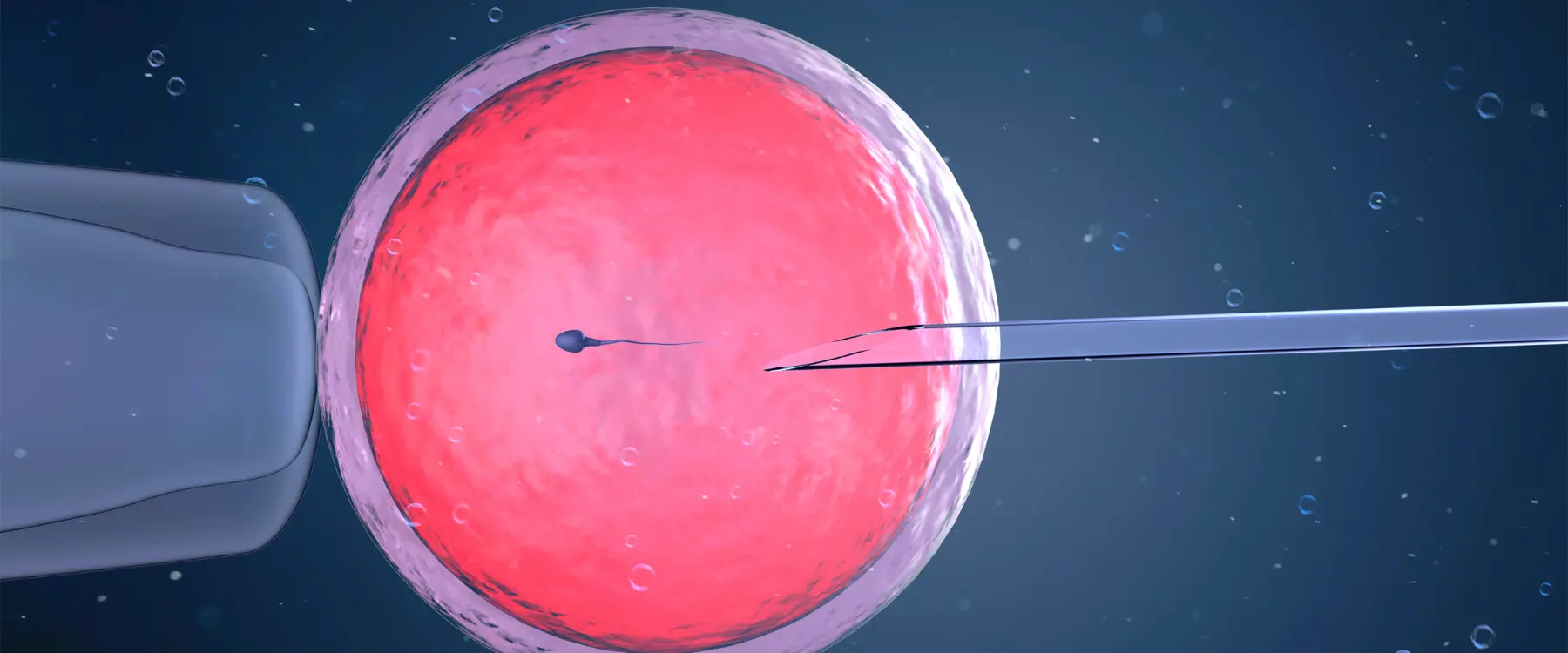
The eggs are fertilised with the sperm through ICSI and the embryos are cultivated until they form an expanded blastocyst, which allows the biopsy to be carried out with guarantees.
Embryo biopsy
When the embryo is at the blastocyst stage (day +5 or +6 of embryonic development), a sample of between 4-6 cells is obtained from the trophectoderm of the blastocyst.
Treatment of the biopsy and embryo
The biopsy is frozen for shipment and subsequent analysis in the genetics laboratory while the embryos are vitrified.
Genetic analysis and PGT-A
The cells are analysed for chromosomal abnormalities.
Embryo selection and transfer
Only chromosomally normal embryos are selected for transfer to the uterus.
Why is it advisable to perform PGT-A or PGS?
PGT-A is recommended in fertility treatments for several key reasons:
- Improved Reproductive Outcomes: By obtaining more information about the embryos we can select genetically healthy embryos, increasing the chances of implantation and reducing miscarriage rates.
- Prevention of Genetic Disorders: PGT-A allows us to identify embryos with chromosomal alterations that could result in genetic syndromes associated with different chromosomes and avoid transmission to the baby.
- Optimisation of assisted reproduction treatments: In patients of advanced reproductive age, those with a history of implantation failure or recurrent miscarriages, PGT-A may be particularly beneficial, as these groups have a higher risk of aneuploidy.
In summary, PGT-A is a valuable tool to ensure that embryos selected for transfer have the greatest potential to result in a healthy and successful pregnancy.
This test provides an additional layer of safety and confidence for both medical professionals and intended parents.
What diseases does PGT-A detect?
PGT-A enables the identification of diseases associated with chromosomal number alterations. This test can detect conditions such as Down syndrome, Edwards syndrome, Patau syndrome, Klinefelter syndrome, and Turner syndrome, among others.
How long do PGT Results take?
The period to receive the results of the Preimplantation Genetic Diagnosis (PGT-A) typically ranges from 2 to 4 weeks, although this timeframe can vary depending on various factors. We spoke with Beatriz Lozano, laboratory director at Vida Fertility
Request your PGT-A appointment at Vida Fertility
In conclusion, the PGT-A test offers couples or single mothers the possibility of identifying genetically healthy embryos to maximise the chances of a successful pregnancy.
If you are considering the PGT-A test or have questions about its implementation and benefits, Vida Fertility is here to help. Our specialists can provide you with all the information you need and guide you through every step of the process.
Feel free to contact us to schedule a consultation and explore the best options for your particular situation.
Related articles:
- Ovarian stimulation and side effects
- Step by step IVF with donor sperm in Spain
- How you can improve the thickness of your endometrium before IVF
- Embryo selection criteria
- IVF with PGT-A: the key treatment for successful family formationFIV con diagnosi genetica preimpianto: il trattamento chiave per una famiglia di successo

Are you looking to get pregnant through artificial insemination? We explain the real chances, how many attempts to make, what can go wrong and how to increase your chances.

Psychoneuroimmunology studies the interaction between psychological processes and the immune, endocrine and nervous systems in the human body.

Coping with fertility treatment as a couple can be difficult. We give you ideas on communication, support and how to manage stress and sexual intimacy during treatment.
Book an appointment
You may also like




Last news


Testimonials






ℹ️ The information published on Vida Fertility is reviewed by our fertility specialists and medical team, following up-to-date scientific criteria and evidence-based medicine. Our team is a member at scientific societies such as SEF, ESHRE and SEGO.