
 Español
  Français
  Deutsch
  Italiano
  Nederlands
  International
POMS (polyendocrine metabolic ovarian syndrome): what it is, differences from PCOS, symptoms, insulin resistance and treatments
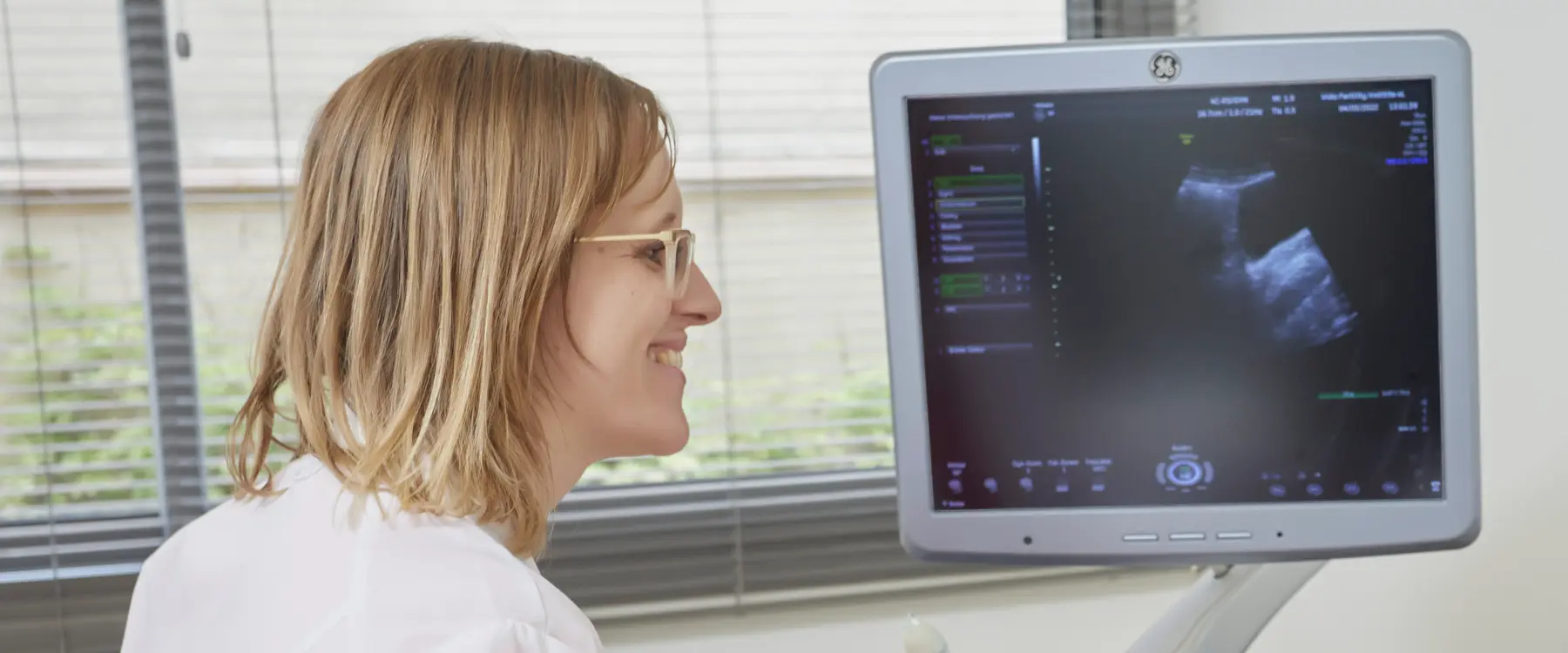
The international consortium of doctors and researchers bids farewell to PCOS, which is now called PMOS, polyendocrine metabolic ovarian syndrome.
For years, millions of patients with symptoms such as irregular menstrual cycles, pelvic pain, excessive body hair or acne have been diagnosed with polycystic ovary syndrome (PCOS). However, many have had to go through a long process to obtain that diagnosis and, when they finally do, they sometimes face stigma.
Furthermore, the available treatments still have room for improvement and do not always meet all needs. We spoke to Dr Katharina Spies, medical director at Vida Fertility Madrid, about what changes, symptoms, treatments and what to do if you want to become a mother with PMOS.


- What is PMOS Polyenodrine Metabolic Ovarian Syndrome?
- Why has the name changed from PCOS to PMOS?
- Symptoms of PMOS and the most common signs
- How is PCOS diagnosed?
- Does PMOS affect fertility?
- How to get pregnant with MOP (metabolic polyendocrine ovarian syndrome)
- Our fertility treatments
- The best fertility clinics in Spain
What is PMOS Polyenodrine Metabolic Ovarian Syndrome?
PMOS stands for Polyenodrine Metabolic Ovarian Syndrome. It is the Spanish adaptation of the new international term PMOS (“polyendocrine metabolic ovarian syndrome”), proposed and published in May 2026 to gradually replace the name PCOS.
PMOS is a syndrome in which the following may coexist:
- Ovulation disorders (infrequent or absent ovulation).
- Elevated androgens (“male” hormones) or compatible clinical signs.
- Ovarian changes on ultrasound.
- And a key element: a metabolic component which may include insulin resistance and increased cardiometabolic risk.
Why has the name changed from PCOS to PMOS?
The international change to PMOS stems from a global effort spanning years, involving medical societies and patient groups.
This name change is not merely intended to update a medical label we have been using for decades. Its aim is to get to the root of a historical problem with PCOS: having oversimplified a complex condition—both hormonal and metabolic— by presenting it as if it were solely an issue “of the ovary” or of what is seen on an ultrasound scan.
Reasons for using the terms PMOS:
- Terminological and diagnostic precision. The term “polycystic” can be misleading: not all patients have ovarian “cysts” in the clinical sense of the term.
- Recognition of the metabolic component as the central focus. It is a polyendocrine and metabolic disorder that may involve insulin resistance, an increased risk of glycaemic abnormalities, dyslipidaemia and long-term repercussions on cardiometabolic health, as well as skin manifestations and effects on general well-being.
- Better healthcare communication and reduced confusion. A more descriptive name makes it easier for patients and professionals to understand that the problem is not limited to an ultrasound image.
Symptoms of PMOS and the most common signs
Variability and timing of onset
The symptoms of PMOS (polyenodocrine metabolic ovarian syndrome) can vary greatly between women: in some they appear from adolescence, whilst in others they are identified later, particularly when they begin trying to conceive.
Menstrual irregularities and ovulation
Irregular cycles, widely spaced periods, absence of menstruation for periods (amenorrhoea) or, sometimes, heavy or prolonged bleeding.
These are usually related to irregular ovulation or anovulation (absence of ovulation), which reduces the actual chances of pregnancy throughout the year.
When cycles are long or unpredictable, it is also more difficult to identify the fertile window.
Excess androgens (hyperandrogenism)
This can be detected through hormone testing and/or manifest clinically.
The most common symptoms are: hirsutism (hair on the face, chest, abdomen, back), acne and androgenetic alopecia.
“Polycystic” ovarian morphology on ultrasound
In some patients, multiple small follicles are observed. Traditionally, these were referred to as “cysts”, but in most cases they are follicles that have not completed their maturation and remain arrested without ovulating.
Therefore, diagnosis requires consideration of symptoms, medical history and female hormone profile, not just ultrasound.
Insulin resistance and metabolic abnormalities
Many patients present with insulin resistance, which can contribute to weight gain or make weight loss difficult and is associated with an increased risk of prediabetes/type 2 diabetes.
Furthermore, insulin resistance can contribute to hormonal imbalance and stimulate increased androgen production, exacerbating symptoms and further disrupting ovulation.
This is one of the reasons why the term PMOS includes “metabolic”, as the syndrome does not only affect the ovaries; it can have implications for overall health in the short, medium and long term.
How is PCOS diagnosed?
The diagnosis must be clinical and personalised. Researchers and doctors believe in the importance of widespread awareness to update diagnostic practices. As it must be clinical, systematic and personalised. In practice, we usually combine:
- Menstrual and ovulation history.
- Signs/symptoms of hyperandrogenism.
- Gynaecological ultrasound.
- Hormone analysis.
- AMH (Anti-Müllerian Hormone)
- Metabolic assessment: glucose/insulin as appropriate, lipid profile, blood pressure, etc.).
If the reason for the consultation is to achieve pregnancy:
- We confirm whether anovulation is present.
- We review other factors (fallopian tubes, semen analysis, thyroid, prolactin…), as PCOS can coexist with other causes.
Does PMOS affect fertility?
Yes, PMOS is one of the main causes of infertility due to impaired ovulation. As Dr Spies explains: “This does not mean that all women with PMOS have difficulty getting pregnant, but it can be more complicated”.
The main mechanism is usually anovulation: if an egg is not released, there is no possibility of fertilisation. And when ovulation occurs sporadically (only in some months), the chances decrease simply because there are fewer opportunities throughout the year.
Furthermore, irregular cycles make it difficult to identify fertile days. In very long cycles, it is often difficult to know when ovulation occurs or even to confirm whether it has taken place.
Added to this are metabolic factors. Insulin resistance can disrupt hormonal balance and lead to increased androgen levels, which can have a negative impact on ovarian function and ovulatory regularity.
In certain patients, endometrial receptivity may also play a role. The endometrium (the inner lining of the uterus where the embryo must implant) requires proper hormonal coordination to prepare itself; when this synchronisation is disrupted, implantation may not occur under optimal conditions.
For all these reasons, if a woman with PMOS wishes to become pregnant, it is advisable to address her case with holistic medicine: optimising ovulation, metabolism and the reproductive environment.
How to get pregnant with MOP (metabolic polyendocrine ovarian syndrome)
Having metabolic polyendocrine ovarian syndrome (MOP) should not be seen as a sentence of infertility. In most cases, a personalised medical protocol is needed to restore ovulation and optimise the hormonal and metabolic environment.
The first step is to confirm ovulation and how often you ovulate. You can calculate your ovulation days here. Back to the calculator
Next, the second step is to address the metabolic component, especially if there is insulin resistance. Improving this aspect can help balance hormones, promote more predictable ovulation and reduce risks during pregnancy.
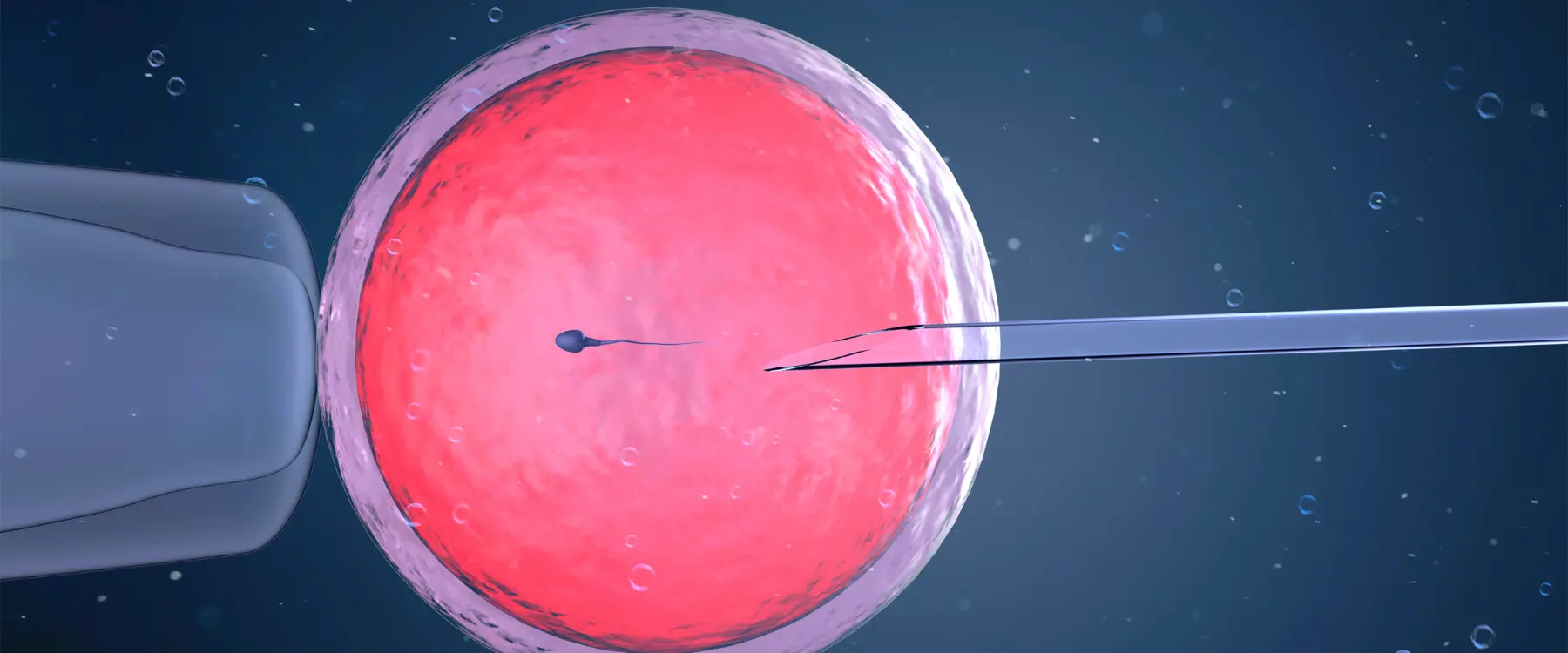
Choosing the treatment based on your goal and your clinical situation is the third step. For some women, lifestyle changes and monitoring are sufficient; for others, ovulation induction and ultrasound monitoring are recommended; and, if there are any additional factors or pregnancy is not achieved after several well-planned attempts, we can consider in vitro fertilisation or ICSI with a personalised plan.
If you are trying to conceive with PMOS, at Vida Fertility we can carry out a comprehensive assessment of your case and suggest the most effective approach for you.
Book your appointment and we will review it together at your own pace, taking a holistic approach.




Vida Fertility Events
At Vida Fertility, we believe that feeling informed is the first step towards a more confident fertility journey.
Through our events, talks and private consultations, we help patients understand their options, ask questions and receive personalised guidance from our fertility specialists in Spain.
Discover our upcoming events and meet the Vida Fertility team.
Ask for a consultation
You may also like


Last news


Testimonials





The best fertility clinics in Spain

📍 C/ Palermo 15, Hortaleza, 28043 Madrid
📞 Phone number: +34 919 29 83 23
🕒 Opening hours: Monday to Friday from 8am to 7pm
📍 Av. Óscar Esplá 1, Bajo, 03008 Alicante
📞 Phone number: +34 919 29 83 23
🕒 Opening hours: Monday to Friday from 8am to 7pm
ℹ️ The information published on Vida Fertility is reviewed by our fertility specialists and medical team, following up-to-date scientific criteria and evidence-based medicine. Our team is a member at scientific societies such as SEF, ESHRE and SEGO.