
 Español
  Français
  Deutsch
  Italiano
  Nederlands
  International
Causes of Infertility That Prevent You From Having a Baby

Imagine for a moment a puzzle. One of those complicated ones with pieces that seem to fit nowhere. Now, instead of a puzzle, think about human fertility. Doesn’t it sometimes seem like some pieces just don’t fit? Today, we talk with Dr. Katharina Spies about the causes of infertility.

Main causes of infertility in women and men
Imagine for a moment a puzzle. One of those complicated ones with pieces that seem to fit nowhere. Now, instead of a puzzle, think about human fertility. Doesn’t it sometimes seem like some pieces just don’t fit? Today, we talk with Dr. Katharina Spies about the causes of infertility.
For those who dream of becoming parents but are facing difficulties, understanding the causes of infertility is the first step to tackle this challenge.

Causes of Infertility: Where to Start?
What exactly is infertility? Technically, it is defined as the inability to conceive after a year of unprotected sexual intercourse.
However, this definition opens the door to the question: what is causing this inability? According to Dr. Spies, the main causes of infertility can be summarised into three factors: female, male, and mixed.
Causes of Infertility in Women: The Female Factor
- Ovulation problems: An irregular menstrual cycle or the lack of ovulation are common causes of female infertility. Hormonal disorders such as Polycystic Ovary Syndrome (PCOS) , actually PMOS, can be to blame.
- Blocked or impermeable Fallopian Tubes: The Fallopian tubes play a crucial role in transporting the egg from the ovary to the uterus. If they are damaged or blocked, fertilisation becomes difficult.
- Endometriosis: This condition occurs when tissue similar to the uterine lining grows outside the uterus. This can cause cysts on the ovaries, pain, and adhesions in the tissues that can affect fertility.
- Uterine issues: Fibroids, polyps, or congenital malformations can affect the uterus’s ability to sustain a pregnancy.
- Cancer and fertility


Causes of Infertility in Men: The Male Factor
- Sperm quality: Low sperm count, poor mobility, and abnormal sperm morphology can be causes of male infertility.
- Varicocele: A dilation of the veins in the scrotum can increase testicular temperature, negatively affecting the sperm production.
- Ejaculation problems: Disorders such as retrograde ejaculation, where semen flows into the bladder instead of out of the body, can interfere with fertilisation.
- Cancer Treatments affects fertility Both radiation and chemotherapy can affect fertility.
Mixed Infertility or Shared Fertility Problems
- Advanced Age: In both men and women, aging can decrease fertility. Women experience a significant decline in the quality and quantity of eggs, commonly known as low ovarian reserve, after the age of 35.
- Lifestyle and Environmental Factors: Factors such as smoking, alcohol, stress, and exposure to environmental toxins can contribute to infertility in both men and women.
How is infertility diagnosed?
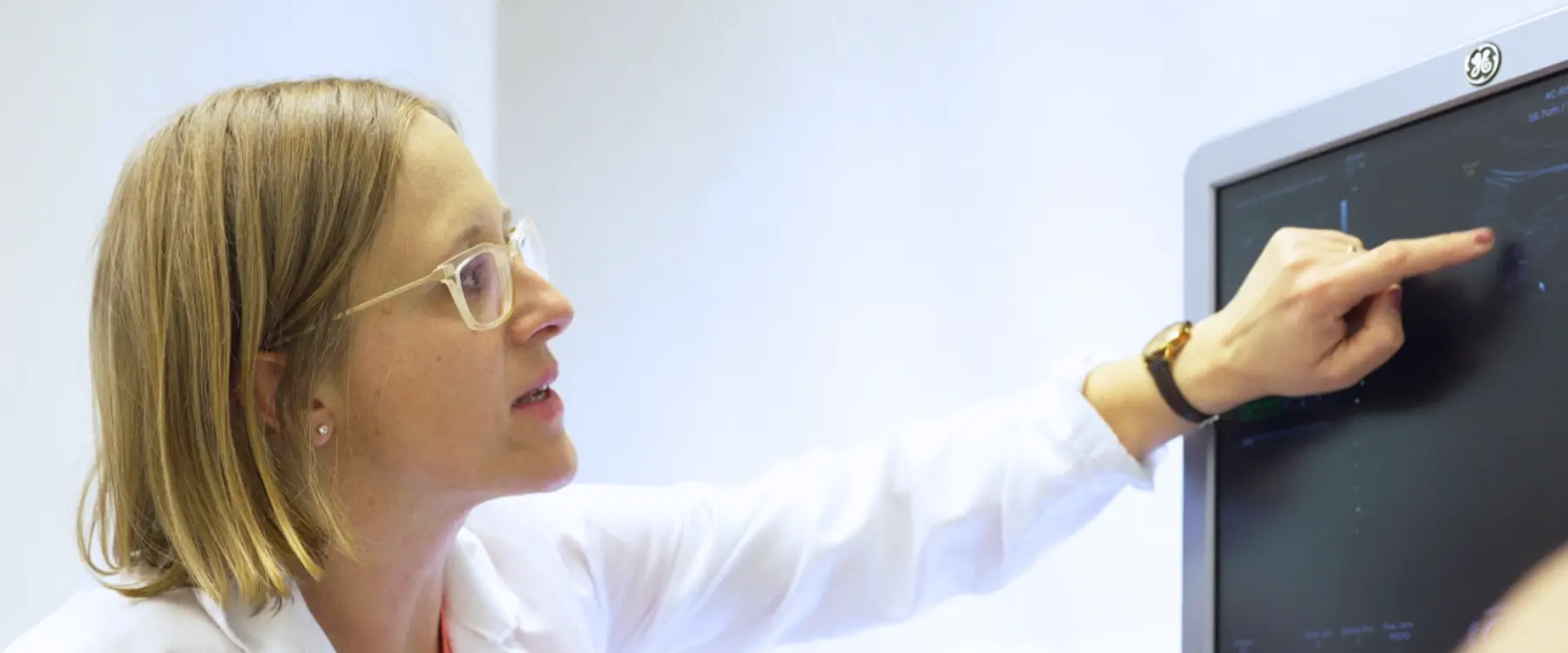
At Vida Fertility and in any other fertility clinic, when investigating the causes of infertility in couples, different diagnostic tests are performed. These tests allow us to identify whether the infertility comes from the man, the woman or both due to genetic incompatibility for instance.
The type of test depends on several factors such as the type of infertility (primary or secondary), the medical history and general health of the patients.
Infertility is an emotional and physical challenge, but it is important to remember that you are not alone. At Vida Fertility we have fertility specialists extremely qualified to help you achieve your dream of parenthood.
“When a couple faces fertility problems, the first thing they should do is seek professional help. Proper diagnosis is essential and often a path to effective solutions.” explains Dr Katharina Spies.
When to see a fertility specialist?
According to Dr. Spies “If you are a woman, you are under 35 years old and you have been trying to get pregnant for more than a year, it is time to contact a specialist. The same is recommended if you are over 35 and have been looking for more than 6 months.
If you already know that you suffer from endometriosis or low ovarian reserve, regardless of your age, you can try to get pregnant naturally for 6 months. If you don’t get pregnant after this time, it is better to consult a specialist as soon as possible”.
Fertility treatments personalised to each patient
At Vida Fertility, we understand that each case is unique.
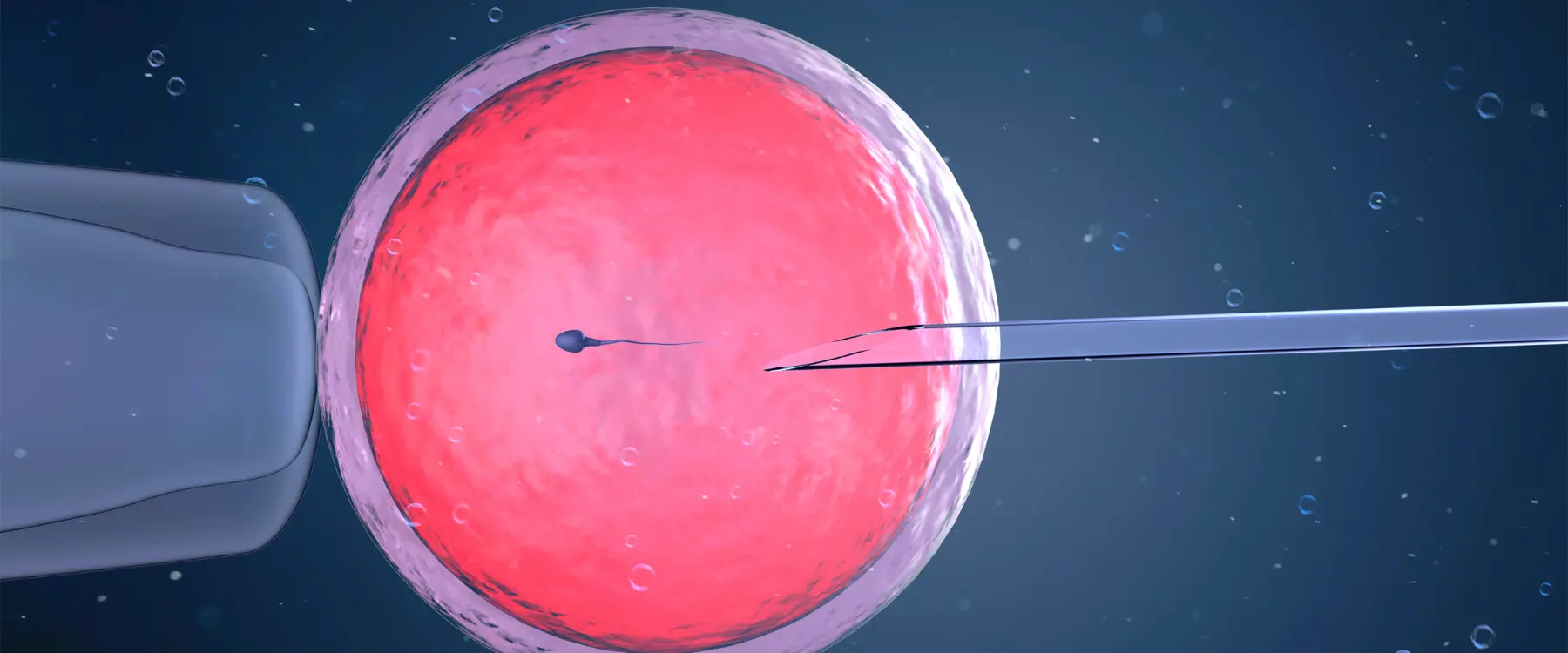
Fertility treatments can range from medications that stimulate ovulation to advanced techniques such as in vitro fertilisation (IVF) and artificial insemination.
“Experience tells us that over the years we have learned that information and support are key in this journey towards motherhood. Infertility should not be an unsolvable mystery, but a challenge that can be approached with patience, professionalism and understanding” Dr. Khatarina Spies.





Vida Fertility Events
At Vida Fertility, we believe that feeling informed is the first step towards a more confident fertility journey.
Through our events, talks and private consultations, we help patients understand their options, ask questions and receive personalised guidance from our fertility specialists in Spain.
Discover our upcoming events and meet the Vida Fertility team.
Related fertility articles
- Ovarian Stimulation in Assisted Reproduction: Questions, Duration, and Side Effects
- Facing the Two Weeks Wait (Beta wait): Symptoms, tips, and what NOT to do
- What is the Genetic Compatibility Test (GCT)?
- Age limit for fertility treatments in Spain
- The best clinic for single mothers by choice is Vida Fertility
- Why am I not getting pregnant? A fertility check-up may hold the key

Have you missed your period and are you trying to conceive? Find out the causes of amenorrhoea, its consequences and when to seek an assessment from a fertility specialist.

Learn about the requirements for egg donation treatment in Spain: age, indications, medical tests and documentation needed to begin treatment.

Learn about the requirements for freezing eggs in Spain: best age, medical tests, legal requirements, public healthcare and when to book an appointment.

Find out about the tests required before freezing eggs: ultrasound, AMH, hormone tests and serology tests to personalise your treatment.

Are you looking for the best clinic for egg freezing? Find out what to look for and how we preserve your fertility at Vida Fertility

Spain’s Football Federation plans to support egg freezing for female players. Dr Katharina Spies explains the process and sporting considerations.

28 Aug: What can be done to remove fibroids? These are the treatments to get rid of uterine fibroids
Find out how to remove fibroids, what treatments are available and when radiofrequency can help preserve the uterus if you wish to become a mother.

Find out why patients from all over Spain choose Vida Fertility Madrid and how we organise their remote fertility treatment.

Meet fertility specialist Dr Anaïs Kilian at Vida Fertility Madrid and discover her tips for understanding and improving your fertility

This is how adenomyosis relates to assisted reproduction, the available treatments, and how to improve the chances of pregnancy with adenomyosis.
Ask for a consultation
You may also like



Testimonials







The best fertility clinics in Spain

📍 C/ Palermo 15, Hortaleza, 28043 Madrid
📞 Phone number: +34 919 29 83 23
🕒 Opening hours: Monday to Friday from 8am to 7pm
📍 Av. Óscar Esplá 1, Bajo, 03008 Alicante
📞 Phone number: +34 919 29 83 23
🕒 Opening hours: Monday to Friday from 8am to 7pm
ℹ️ The information published on Vida Fertility is reviewed by our fertility specialists and medical team, following up-to-date scientific criteria and evidence-based medicine. Our team is a member at scientific societies such as SEF, ESHRE and SEGO.