
 Español
  Français
  Deutsch
  Italiano
  Nederlands
  International
Varicocele and infertility: causes, symptoms and pregnancy.

Varicocele, a condition that can cause male infertility problems. In this article, Dr. Beatriz Lozano, laboratory director of Vida Fertility, talks about the main symptoms of varicocele and its impact on male fertility, as well as possible solutions to achieve pregnancy.
If you or your partner are dealing with this condition, don’t worry, we are here to help you and give you solutions whatever your case may be.


- What is varicocele?
- Varicocele symptoms: How do you know if you have one?
- Varicocele and infertility: How does it affect pregnancy?
- Probability of achieving pregnancy with varicocele
- Vida Fertility: Solutions for couples with varicocele infertility
- Frequently asked questions about varicocele and male infertility
- Our fertility treatments
- The best fertility clinics in Spain
What is varicocele?
A varicocele is an abnormal dilation of the veins inside the scrotum that drain blood from the testicles. It can be compared to varicose veins in the legs, but this time it affects the testicular veins.
Around 15% of men can be diagnosed with varicocele and it can also be linked to male infertility in many cases.
The main cause of this dilation in the veins is due to an alteration in the blood flow in the testicular veins.
‘Varicocele causes an increase in the temperature of the testicles, which affects sperm production and its quality, causing problems in male fertility,’ explains Dr Martínez Moro.
Despite its frequency, many men are unaware of its existence until they have difficulty conceiving.
Varicocele symptoms: How do you know if you have one?
Varicocele often has no obvious symptoms, but in some cases signs may appear such as:
- Pain in the testicles.
- Dilation in the veins of the scrotum.
- A feeling of heaviness in the scrotum.
- A palpable mass in the testicle (especially when standing).
- Reduction in testicular size in severe cases.
- Decreased sperm count.
It is important to see a specialist if you notice any of these symptoms, especially if you are trying to get pregnant.
Varicocele and infertility: How does it affect pregnancy?
Varicocele can affect male fertility by reducing the quantity and quality of sperm. ‘The impact of varicocele varies in each man, but it is a pathology that can decrease the chances of pregnancy,’ says Dr Martínez Moro.
However, it is important to note that not all men with varicocele have infertility problems.

How is varicocele diagnosed?
Diagnosis of varicocele begins with a physical examination of the scrotal and groin region.
Depending on how easily blood flow is detected, varicocele is classified into three main grades:
- Grade 1: This is the most difficult to diagnose, as it is only detected when abdominal pressure is applied.
- Grade 2: An increase in the size of the veins is observed by palpation of the testicle.
- Grade 3: Dilated veins are visible to the naked eye, without the need for palpation.
In cases where physical examination is inconclusive, techniques such as ultrasound or ultrasound can be used to confirm dilatation of the vessels. In addition, the use of Doppler ultrasound allows the speed of blood flow to be measured, offering a more accurate diagnosis.
To determine if the varicocele is the cause of the difficulty in conceiving, tests such as a semen analysis, which evaluates the quality of the sperm, can be performed.
Semen analysis is a diagnostic test used to evaluate the quality of semen. This study analyses macroscopic characteristics: such as volume, viscosity and pH, as well as microscopic aspects: such as the number of spermatozoa (oligospermia), their mobility (asthenozoospermia) and their morphology (teratozoospermia).
Probability of achieving pregnancy with varicocele
The chances of pregnancy depend on several factors, such as the degree of varicocele, the quality of the sperm and the length of time you have been trying to conceive.
Between 40% and 70% of men with varicocele have a reduced ability to generate sperm.
According to Dr. Martínez Moro, ‘men who undergo surgery to correct varicocele can see a significant improvement in the quality of their sperm, increasing the chances of achieving pregnancy. In any case, if varicocele is suspected, it is advisable to see a specialist in urology for diagnosis and treatment’.
In more complex cases, assisted reproductive techniques offer excellent results.
Treatment for varicocele infertility: What is the best option?
The most common treatment for varicocele is surgery, known as varicocelectomy. This procedure involves tying off the affected veins to redirect blood flow to healthy veins. ‘Surgery usually improves sperm quality within three to six months in 90% of cases, which increases the chances of pregnancy,’ explains Dr Martínez Moro.
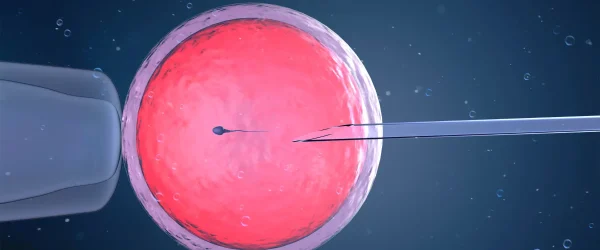
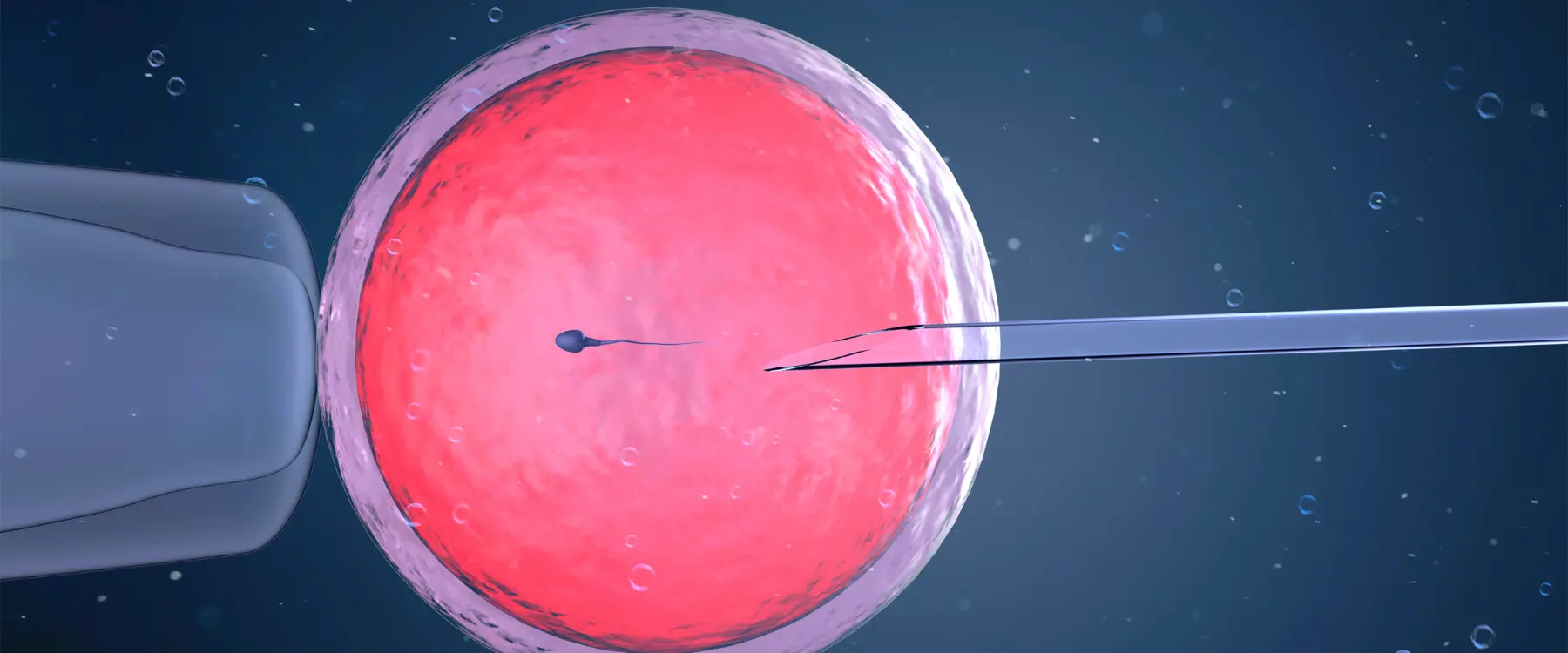
In cases where surgical treatment is not sufficient or surgery is not desired, assisted reproduction techniques, such as IVF or intracytoplasmic sperm injection (ICSI), are excellent alternatives.
Is it possible to get pregnant if my partner has a varicocele?
The options will depend on the severity of the condition and the quality of the sperm. In some cases, a natural pregnancy can be achieved after the varicocele operation, while in others it may be necessary to resort to assisted reproductive techniques.
‘At Vida Fertility, we analyse each case in a personalised way to find the most appropriate solution. From surgery to treatments such as ICSI, we offer options adapted to the needs of each couple,’ says the expert.
Vida Fertility: Solutions for couples with varicocele infertility
Varicocele does not have to be an insurmountable obstacle to achieving pregnancy. With the right diagnosis and personalised treatment, the chances of success are high.
‘At Vida Fertility, we work with the latest technology and a multidisciplinary team to offer our patients the best solutions,’ concludes Dr Martínez Moro.
If you or your partner have been trying to conceive naturally for more than a year, you may have an infertility problem. In this case, do not hesitate to contact Vida Fertility’s team of fertility experts. We are here to help you fulfil your dream of becoming parents.


Frequently asked questions about varicocele and male infertility
Can varicocele infertility disappear on its own?
Dr. Beatriz Lozano replies
No, varicocele does not disappear without treatment, although in some cases it may not require medical intervention if it does not affect fertility or cause discomfort.
How long after varicocele surgery can pregnancy be attempted?
Dr. Beatriz Lozano Moro replies
Generally, specialists recommend waiting between three and six months to evaluate improvements in sperm quality after surgery.
Is varicocele the only cause of male infertility?
Dr. Beatriz Lozano replies
No, there are many other causes of male infertility, such as hormonal alterations, infections or genetic problems. Varicocele is just one of them.
You can read related articles about male infertility:
Does varicocele surgery always improve fertility?
Dr. Beatriz Lozano replies
In most cases yes, but the results vary depending on the degree of varicocele and other individual factors.
Vida Fertility Events
At Vida Fertility, we believe that feeling informed is the first step towards a more confident fertility journey.
Through our events, talks and private consultations, we help patients understand their options, ask questions and receive personalised guidance from our fertility specialists in Spain.
Discover our upcoming events and meet the Vida Fertility team.






Ask for a consultation
You may also like




Last news


Testimonials







The best fertility clinics in Spain

📍 C/ Palermo 15, Hortaleza, 28043 Madrid
📞 Phone number: +34 919 29 83 23
🕒 Opening hours: Monday to Friday from 8am to 7pm
📍 Av. Óscar Esplá 1, Bajo, 03008 Alicante
📞 Phone number: +34 919 29 83 23
🕒 Opening hours: Monday to Friday from 8am to 7pm
ℹ️ The information published on Vida Fertility is reviewed by our fertility specialists and medical team, following up-to-date scientific criteria and evidence-based medicine. Our team is a member at scientific societies such as SEF, ESHRE and SEGO.