
 Español
  Français
  Deutsch
  Italiano
  Nederlands
  International
Oligospermia causes, treatments and how to get pregnant

Oligospermia, one of the most common causes of male infertility, is a problem that affects many couples seeking to become parents. It is a condition that directly impacts semen quality, making it difficult to achieve pregnancy naturally.
In this article, we talk to the laboratory director, Dr. Beatriz Lozano of Vida Fertility, explaining everything you need to know about oligospermia, its causes, degrees, treatments and the assisted reproduction techniques that can help you fulfil your dream of starting a family.


What is oligospermia?
Oligospermia, also known as oligozoospermia, is a semen disorder characterised by a low number of sperm in the ejaculate. According to the World Health Organisation (WHO), oligospermia is considered when the sperm count is below 15 million per millilitre.
Oligospermia can make it difficult for the egg to fertilise, causing many couples to experience problems in achieving pregnancy.
Oligospermia causes
There are several causes that can lead to oligospermia, and these can range from genetic, environmental or lifestyle factors. Among the most common are:
- Genetic factors: Alterations in the chromosomes or genetic mutations that affect sperm production.
- Varicocele: Dilation of the testicular veins that affects semen quality.
- Infections: Some sexually transmitted infections (STIs) or infections in the testicles can damage the seminal ducts.
- Lifestyle: Smoking, excessive alcohol consumption, stress and exposure to toxins can affect sperm production.
- Hormonal imbalances: Problems with testosterone levels or other hormones related to spermatogenesis.
- Environmental factors: Exposure to high temperatures, radiation or harmful chemicals.
- Use of certain medications: Some medical treatments, such as those related to chemotherapy, can affect sperm production.
How is oligospermia causes diagnosed?
The first step is a semen analysis, a simple but key test to assess sperm quality and quantity. This analysis measures various parameters, including volume, motility, and also the number of spermatozoa, which is the test that diagnoses oligospermia.
The diagnosis of oligospermia, or low sperm concentration in the semen, continues with a visit to a fertility specialist, generally an andrologist or urologist who can advise us on an altered semen analysis result.
If the result of the semen analysis indicates a concentration of less than 15 million spermatozoa per millilitre, oligospermia is confirmed. Depending on the degree of oligospermia (mild, moderate or severe), the specialist may recommend additional tests to find the underlying cause, such as:
- Hormonal studies: A blood test to measure hormone levels such as testosterone, FSH or LH, which can influence sperm production.
- Testicular ultrasound: To detect possible varicoceles, cysts or other structural abnormalities in the testicles.
- Karyotype or genetic analysis: To rule out genetic abnormalities that may be affecting fertility.
- Tests to evaluate sperm DNA: such as the DNA fragmentation test, to assess the genetic quality of the sperm.
It is important to carry out these tests as soon as possible, as an early diagnosis can make the difference in finding effective solutions to achieve pregnancy.
Degrees of oligospermia: mild, moderate or severe
Oligospermia can be classified into three degrees according to the concentration of spermatozoa in the semen:
- Mild oligospermia: when the sperm concentration is between 10 and 15 million/ml.
- Moderate oligospermia: When the sperm count is between 5 and 10 million/ml.
- Severe oligospermia: When the sperm count is less than 5 million/ml.
According to Dr. Beatriz Lozano, ‘the degree of oligospermia will influence the choice of treatment and the chances of success in achieving pregnancy’.
Treatments for oligospermia causes
Treatment of oligospermia will depend on the underlying cause and degree of involvement. Some of the most common treatments include:
- Lifestyle changes: Quitting smoking, reducing alcohol consumption, improving diet and regular exercise can improve semen quality.
- Hormonal treatment: If the oligospermia is related to hormonal imbalances, medication may be prescribed to regulate hormone levels.
- Surgery: In cases of varicocele, surgery may be an option to improve sperm production.
- Specific medical treatments: In cases of infections, antibiotics are administered to eliminate them.
How can pregnancy be achieved with oligospermia?
Although oligospermia can make it difficult to get pregnant naturally, there are effective solutions to achieve it. At Vida Fertility, we assess each case on a case-by-case basis to offer the most appropriate treatment. Some options include:
Artificial Insemination (AI): In cases of mild to moderate oligospermia, the most motile sperm are selected and introduced directly into the woman’s uterus during her fertile period.
In Vitro Fertilisation (IVF): This treatment is ideal for moderate or severe oligospermia. In this procedure, selected sperm fertilise the egg in a laboratory and then the embryos are transferred to the uterus.
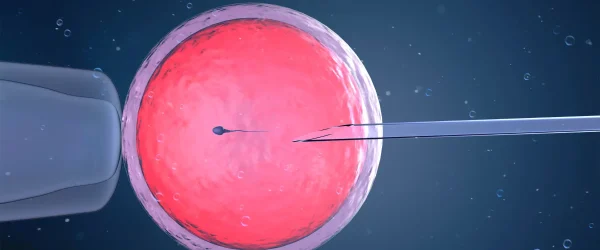
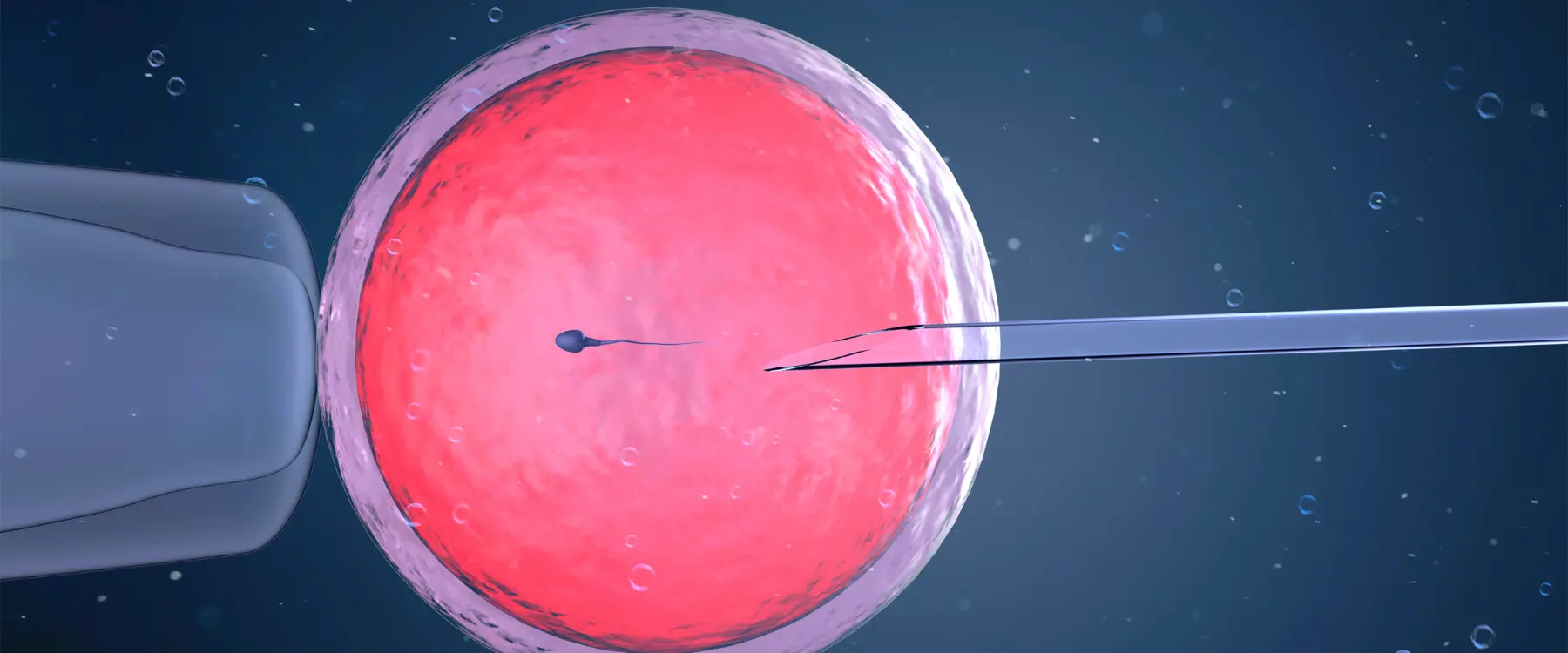
Intracytoplasmic microinjection (ICSI): In cases of severe oligospermia, a single sperm is injected directly into the egg, maximising the chances of fertilisation.
Sperm donation: In extreme cases where no viable sperm is obtained, it is possible to use a sperm donor to achieve pregnancy.
Assisted reproduction techniques for men with oligospermia causes
At Vida Fertility, we have both diagnostic and applied techniques that allow us to address oligospermia:
- Sperm DNA fragmentation analysis: Advanced test to evaluate the quality of the genetic material of the spermatozoa.
- Zymot: Technique that allows us to select the spermatozoa with the least DNA fragmentation. In this case, as the number of spermatozoa is low, it depends to a large extent on the mobility of the spermatozoa in order to be able to perform it.
- Testicular biopsy: A method that allows spermatozoa to be obtained directly from testicular tissue in cases of severe oligospermia.
Frequently asked questions about oligospermia
Is oligospermia common in men?
Dr. Beatriz Lozano answers:
Oligospermia is one of the main causes of male infertility, affecting approximately 40% of men with fertility problems. Given the lifestyle and toxic habits to which we are exposed, it is possibly the parameter that continues to be affected in male reproductive capacity.
Can oligospermia causes be reversed?
Dr. Beatriz Lozano answers:
In some cases yes, depending on the origin and degree of affectation. We can find situations that are treatable to a certain extent, such as varicocele, infections, hormonal imbalances and even some situations due to lifestyle habits, it is possible to improve semen quality with the right treatment.
Is it possible to achieve a natural pregnancy with oligospermia?
Dr. Beatriz Lozano answers:
It will depend on the degree of oligospermia and the quality of the sperm. In mild cases, it is possible to achieve it naturally, but in the majority of cases, assisted reproduction techniques are required.
What diagnostic tests are performed to detect oligospermia?
Dr. Beatriz Lozano answers:
The main test is the seminogram or semen analysis, although hormonal and genetic studies can also be carried out depending on the case.
What is the best treatment for severe oligospermia causes?
Dr. Beatriz Lozano answers:
Assisted reproduction treatment must be individualised and the couple’s diagnosis must be analysed, but in the case of semenograms with severe oligospermia, the indicated technique is usually ICSI.
Vida Fertility y causas de infertilidad masculina
At Vida Fertility, we have a team specialised in male infertility and the most advanced techniques to help you fulfil your dream of becoming a father.
Oligospermia can be an obstacle on the road to fatherhood, but with proper diagnosis and the right treatments, it is possible to achieve pregnancy.
If you have any doubts about your case, don’t hesitate to contact us. We are here to help you!


Ask for a consultation
You may also like



Last news


Testimonials







ℹ️ The information published on Vida Fertility is reviewed by our fertility specialists and medical team, following up-to-date scientific criteria and evidence-based medicine. Our team is a member at scientific societies such as SEF, ESHRE and SEGO.