
 Español
  Français
  Deutsch
  Italiano
  Nederlands
  International
IVF requirements in Spain: age, tests and conditions for starting IVF

Many patients come to our fertility clinics in Spain with questions about the recommended age for IVF, whether they need a partner, which fertility tests to undergo before starting IVF or whether they meet the IVF requirements for accessing in Spain.
The short answer is that the requirements for in vitro fertilisation depend on three factors: the law on assisted reproduction in Spain , your medical situation, and the type of clinic you attend – public or private.
However, meeting the legal requirements does not always mean that IVF is the most suitable treatment. Before starting, it is necessary to assess your age and fertility, ovarian reserve, uterine health , hormonal status, semen quality (if there is a male partner or a semen sample), medical history and pregnancy safety.
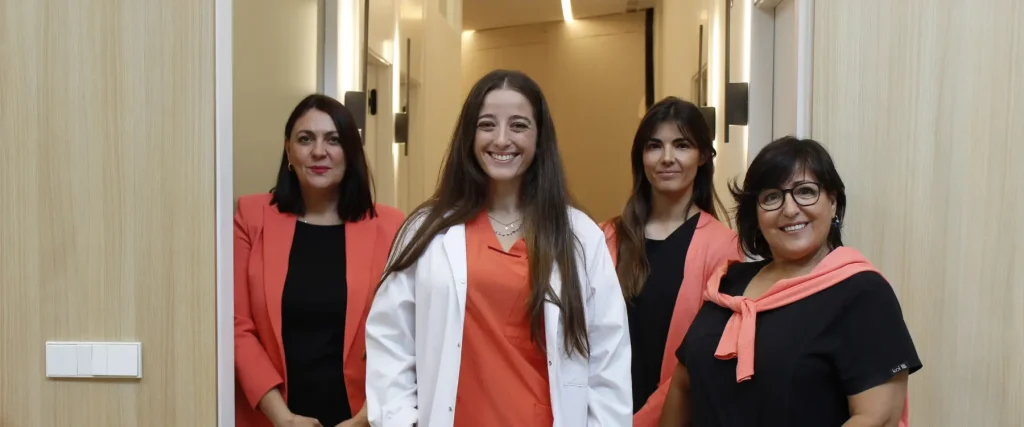
We discussed all of this with Dr. Katharina Spies, medical director at Vida Fertility Madrid and author of the Vida Fertility blog.


- What is IVF or in vitro fertilisation?
- IVF requirements
- IVF Requirements for accessing: the National Health Service (NHS) vs a private clinic
- Legal requirements for IVF in Spain
- Maximum age for in vitro fertilisation
- Medical requirements before starting in vitro fertilisation
- What documentation do I need to start IVF treatment?
- Frequently asked questions about the IVF requirements
- When should I book an appointment to discuss IVF?
- Our fertility treatments
- The best fertility clinics in Spain
What is IVF or in vitro fertilisation?
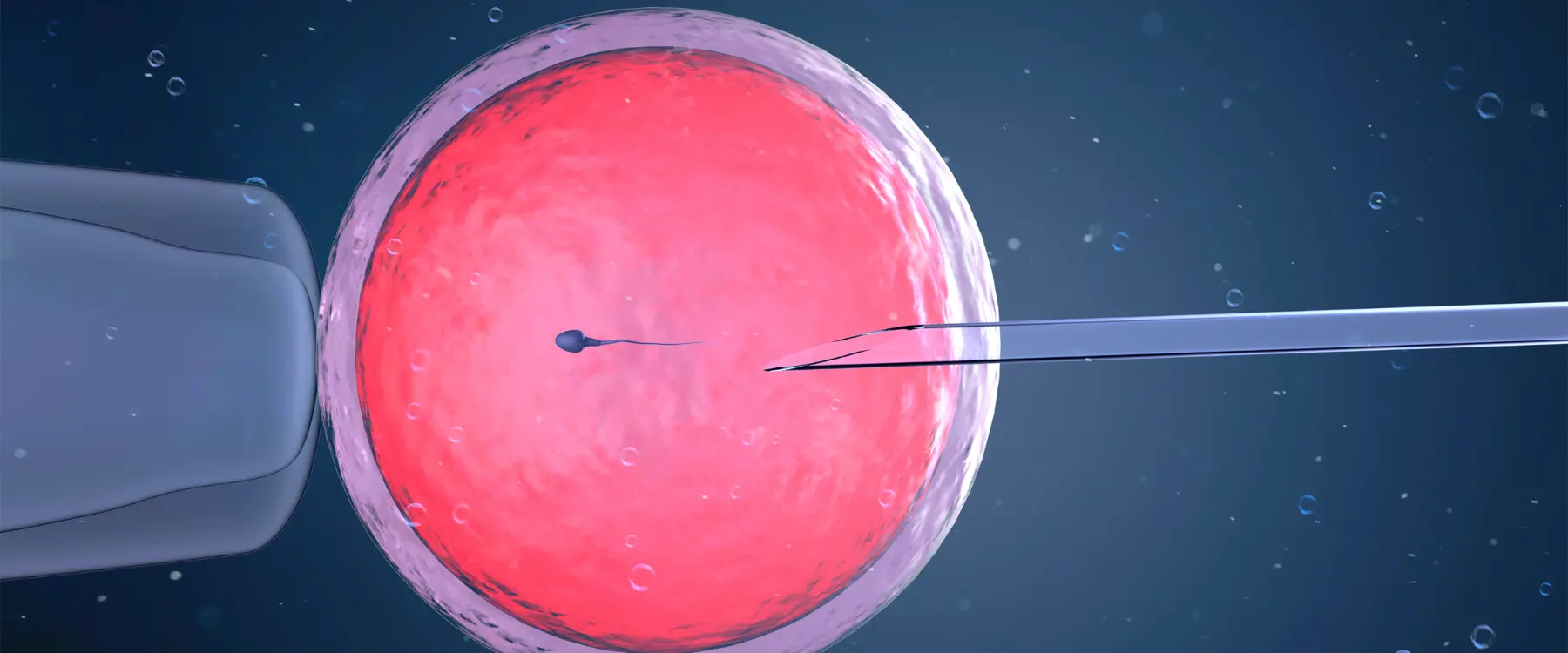
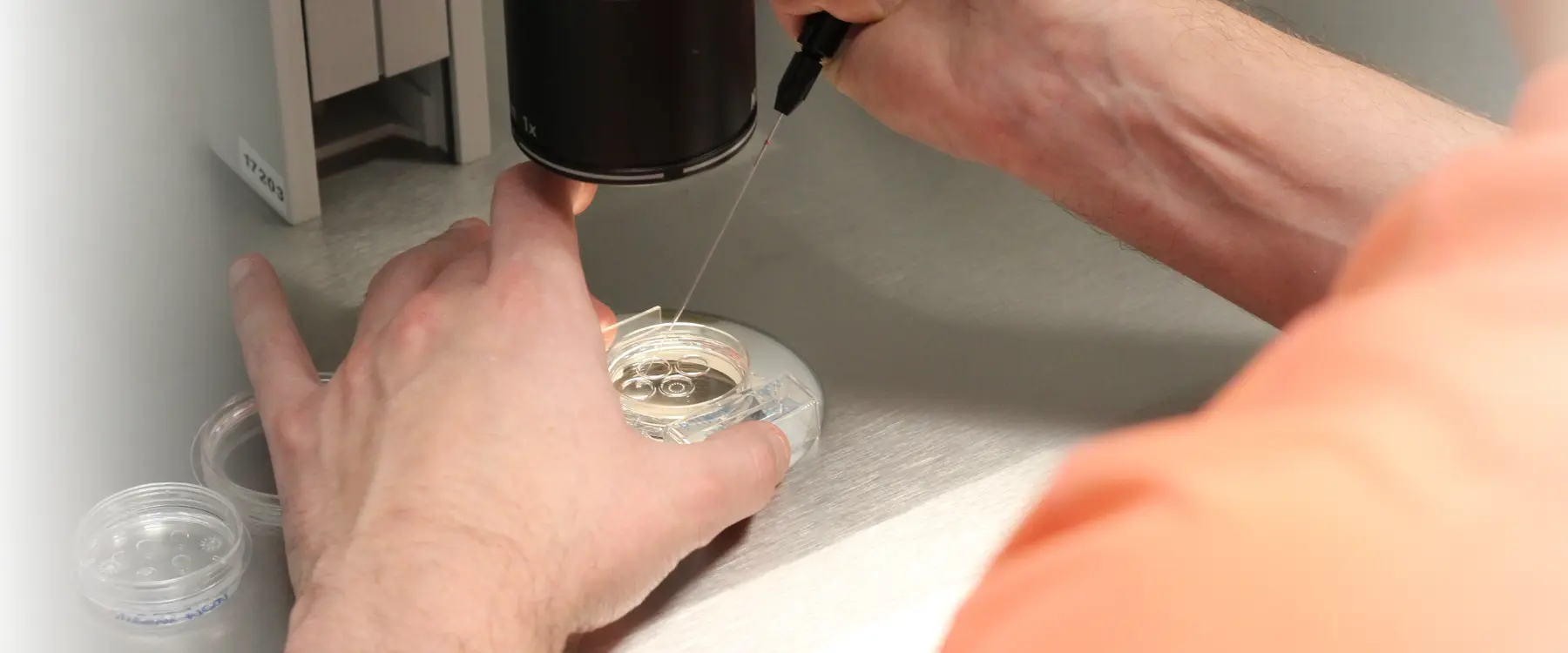
In vitro fertilisation, also known as IVF, is an assisted reproduction technique in which eggs are fertilised with sperm in the laboratory. The resulting embryos are then cultured, and the embryo with the greatest potential is transferred to the uterus in an attempt to achieve pregnancy.
At Vida Fertility, this explanation is always tailored to each patient’s individual situation, because starting IVF at the age of 34 with a good ovarian reserve is not the same as becoming a mother from the age of 42, with low reserve and several unsuccessful IVF attempts or implantation failures. The technique may have the same name, but the medical strategy must be different.
IVF requirements
Table of requirements to start IVF in Spain at Vida Fertility
Before starting in vitro fertilisation in Spain, it is important to assess the legal, medical and administrative requirements. At Vida Fertility, each case is reviewed individually to decide whether IVF is the most appropriate treatment.
| Type of requirement | What is needed to start IVF in Spain | How it is assessed at Vida Fertility |
|---|---|---|
| Legal requirements | To start in vitro fertilisation in Spain, the patient must be of legal age, have the capacity to consent to treatment and sign the informed consent form. | Assisted reproduction in Spain allows access for women with a male partner, single women, female couples, patients who need donor sperm, donor eggs, or preservation of gametes or embryos, always according to medical indication. |
| Maximum age for IVF | In Spain, the law does not set a single maximum age for all assisted reproduction treatments. However, age is a key factor, especially when IVF is planned using the patient's own eggs. | At Vida Fertility, age is assessed together with general health, fertility test results and ovarian reserve. IVF may be an option for women up to the age of 45, although the chances of success decrease with age, particularly after 42. |
| Medical requirements | A fertility assessment is needed to confirm whether IVF is the most appropriate treatment. This assessment may include ovarian reserve evaluation, transvaginal ultrasound, antral follicle count, anti-Müllerian hormone, hormonal tests such as FSH, LH or oestradiol, uterine assessment, semen analysis if a male sample is used, serology tests and a review of medical history. | At Vida Fertility, each case is reviewed individually. We assess how the ovaries may respond to stimulation, whether the uterus is ready to receive the embryo, whether there is a male factor, low ovarian reserve, endometriosis, recurrent miscarriage, previous failed treatments or any medical condition that may affect pregnancy safety or the treatment strategy. |
| Additional tests | Some patients may need complementary tests before starting, depending on their medical history. | Genetic testing, karyotyping, uterine cavity tests or other analyses may be recommended in cases of relevant medical history, recurrent miscarriage, previous implantation failure or medical indication. |
| Administrative requirements | For an initial consultation, it is advisable to bring an ID, NIE or passport, together with any previous medical reports if you have them. | It is also useful to bring hormonal blood tests, recent gynaecological tests, semen analysis, reports from previous treatments, a list of current medication and a history of miscarriages, surgery or relevant medical conditions. If you do not have any tests yet, that is not a problem: the first visit is precisely to decide what you need. |
IVF Requirements for accessing: the National Health Service (NHS) vs a private clinic
To undergo in vitro fertilisation in Spain , you generally need to be of legal age, sign an informed consent form, undergo a fertility assessment, have a medical assessment confirming that IVF is appropriate, rule out any significant contraindications to pregnancy, and have the necessary gametes, either your own or from a donor.
IVF Requirements for undergoing under the NHS
Within the Spanish public assisted reproduction system, there may also be specific criteria relating to age, previous children , ovarian reserve, number of cycles and the autonomous community. Under the National Health System, the standard criteria generally stipulate that women must be aged over 18 and under 40, and men over 18 and under 55 at the start of treatment, although some autonomous communities, such as Madrid, have broadened these criteria.
IVF Requirements at private clinics in Spain
In private clinics, such as Vida Fertility, requirements are assessed on a case-by-case basis. This allows for the consideration of cases that do not always meet public criteria, such as women over 40, low ovarian reserve, single women wishing to have children, female couples, treatments involving egg donation, or patients who have had previous unsuccessful attempts.
Legal requirements for IVF in Spain
The legal requirements for in vitro fertilisation in Spain are primarily based on Law 14/2006 on assisted human reproduction techniques.
This means that in Spain, the following groups are eligible for assisted reproduction:
- Women in a relationship with a male partner.
- Single women.
- Female couples.
- Women who require donor sperm.
- Patients requiring donor eggs.
- Patients who need to preserve or use gametes or embryos.
Legal framework of the Assisted Human Reproduction Act 14/2006
In Spain, assisted reproduction is regulated by Law 14/2006, which allows women over the age of 18 access to these techniques, regardless of their mar r civil status or sexual orientation, provided that informed consent has been given and there is an appropriate medical indication.
The law itself stipulates that these techniques must be carried out where there is a reasonable chance of success, they do not pose a serious risk to the physical or mental health of the woman or her offspring, and there is free and informed consent following adequate information.
Maximum age for in vitro fertilisation
In Spain, the law does not set a single maximum age for all assisted reproduction treatments. However, age is one of the most important medical factors in deciding which technique is recommended, particularly if you wish to use your own eggs.
Although at Vida Fertility we approach each case individually, taking into account your general health, your expectations and fertility tests, IVF is a common option for women up to the age of 45, although the probability of success decreases with age, particularly after the age of 42.
We know that female fertility declines from the age of 35 onwards; therefore, IVF using your own eggs generally has a better prognosis the younger you are and the better your ovarian reserve. From the age of 38–40, the likelihood of obtaining viable embryos decreases progressively, not only because of the number of eggs but also because of their chromosomal quality.
Therefore, when a patient asks, “Up to what age can I have IVF?”, the following must be assessed:
- Ovarian reserve.
- Anti-Müllerian hormone.
- Antral follicle count.
- Menstrual regularity.
- Gynaecological history.
- Previous surgeries.
- Endometriosis.
- Previous miscarriages.
- Previous IVF attempts.
- General state of health.
- Obstetric risk.
At Vida Fertility, Dr Katharina Spies emphasises this point during consultations: rather than asking “can I have IVF given my age?”, it is better to ask “which reproductive option makes the most sense in my situation?”. Sometimes this will be IVF using your own eggs. At other times, particularly for older women or those with low ovari e reserve, it may be better to consider egg donation.
Medical requirements before starting in vitro fertilisation
Before starting IVF, a fertility assessment is required. At Vida Fertility, this assessment helps us determine whether in vitro fertilisation is truly the right technique for you, how it should be approached, and allows us to personalise your treatment from the outset.
What fertility tests are required before IVF?
The fertility tests required prior to IVF may vary depending on the individual case, but they usually include:
- Transvaginal ultrasound.
- Antral follicle count.
- Anti-Müllerian hormone (AMH).
- FSH, LH and oestradiol in some cases.
- TSH and prolactin if indicated.
- Biochemical analysis, complete blood count, or coagulation tests.
- Cytology or gynaecological examination if applicable.
- Semen analysis if a male sample is available.
- Genetic testing or karyotyping if there is a family history, a history of recurrent miscarriages or a medical indication.
- Hysteroscopy or tests of the uterine cavity if an intrauterine condition is suspected.
Do I need to have all the tests done before the first consultation? This is one of the most common questions. Not necessarily. The important thing is to attend an initial assessment so that the tests can be arranged.
What documentation do I need to start IVF treatment?
At a private clinic, you will normally be asked to provide identification documents, your medical history, any previous reports (if available), fertility tests carried out, blood tests, a semen analysis if there is a male partner, and informed consent forms.
Under the National Health Service, the process usually begins with a GP or gynaecologist, with a referral to assisted reproduction services in accordance with the criteria of the relevant health service.
For your first consultation at Vida Fertility, it is best to bring:
- ID card, Foreigner Identification Number (NIE) or passport.
- Previous medical reports.
- Hormone blood tests, if you already have them.
- Recent gynaecological tests.
- A semen analysis, if available.
- Reports on previous treatments.
- List of current medication.
- History of miscarriages, operations or relevant medical conditions.
If you don’t have any test results, that’s fine. The first appointment is specifically to decide what you need.
Frequently asked questions about the IVF requirements
In which cases is in vitro fertilisation recommended?
It is carried out for heterosexual couples when there are severe infertility problems (male factor, tubal factor or endometriosis), advanced maternal age, low ovarian reserve, or when other treatments such as artificial insemination have failed. It is also recommended for single women or female couples wishing to have a child.
Can I have IVF if I am a single woman?
Yes. In Spain, a woman can access assisted reproduction techniques regardless of her marital status or sexual orientation, provided she meets the legal and medical requirements.
To become a single mother in Spain, you can undergo IVF using donor sperm. The suitability of this option will depend on your age, ovarian reserve, medical history and chances of success. For young women with no fertility problems, artificial insemination with donor sperm may sometimes be considered .
In other cases, particularly due to age, low ovarian reserve, blocked fallopian tubes or previous failed attempts, double donation may be recommended.
The decision should not be based solely on personal preference or cost. It must be made by assessing the actual prognosis.
Can I have IVF if I am in a female partnership?
Yes. Female couples can access assisted reproduction in Spain. Depending on the case, IVF with donor sperm or the ROPA method may be considered, in which one of the women provides the eggs and the other carries the pregnancy.
In this case, the medical requirements are assessed for both partners: age, ovarian reserve, gynaecological health, uterus, medical history and reproductive preferences.
Can I have IVF if I have low ovarian reserve?
It depends. A low ovarian reserve does not automatically rule out IVF, but it does affect the prognosis. It may mean that few eggs are retrieved following stimulation, that fewer embryos are available, or that a very carefully tailored strategy is required.
In these cases, it is important not to delay your consultation. Many patients arrive thinking they should wait ‘a little longer’ before making a decision, but when ovarian reserve is low, waiting can further reduce your options.
Dr Katharina Spies often explains during consultations that the aim is not to promise a result, but to map out the path based on real data: ovarian reserve, age, medical history and available options.
How many IVF cycles does the National Health Service cover?
The standard package generally covers a maximum of three IVF cycles with ovarian stimulation, although this limit may be reduced depending on the prognosis and previous treatments. The criteria may vary by autonomous community.
What is the difference between the requirements in private clinics and under the National Health Service?
The National Health Service applies stricter administrative and medical criteria, such as age, previous children, ovarian reserve and number of cycles. In private clinics, the assessment is individualised and focuses on safety, medical indication and realistic treatment options.
When should I book an appointment to discuss IVF?
You should book an appointment if you have been trying to conceive for more than 12 months without success, or for more than 6 months if you are over 35. It is also advisable to seek advice sooner if you have endometriosis, irregular periods, low ovarian reserve, recurrent miscarriages, a history of gynaecological surgery, blocked fallopian tubes, male factor infertility, or if you wish to become a mother without a male partner.
If you’ve read this far, you may be wondering whether in vitro fertilisation (IVF) is right for you. At Vida Fertility, we offer private consultations – either online or in person – at our assisted reproduction centres across Spain. Our team will assess your situation on a personalised basis and explain the steps you should take before starting IVF treatment.





Vida Fertility Events
At Vida Fertility, we believe that feeling informed is the first step towards a more confident fertility journey.
Through our events, talks and private consultations, we help patients understand their options, ask questions and receive personalised guidance from our fertility specialists in Spain.
Discover our upcoming events and meet the Vida Fertility team.
Ask for a consultation
You may also like












































Last news




























Testimonials















The best fertility clinics in Spain

📍 C/ Palermo 15, Hortaleza, 28043 Madrid
📞 Phone number: +34 919 29 83 23
🕒 Opening hours: Monday to Friday from 8am to 7pm
📍 Av. Óscar Esplá 1, Bajo, 03008 Alicante
📞 Phone number: +34 919 29 83 23
🕒 Opening hours: Monday to Friday from 8am to 7pm
ℹ️ The information published on Vida Fertility is reviewed by our fertility specialists and medical team, following up-to-date scientific criteria and evidence-based medicine. Our team is a member at scientific societies such as SEF, ESHRE and SEGO.