
 Español
  Français
  Deutsch
  Italiano
  Nederlands
  International
Asthenozoospermia (Low Sperm Motility): Causes, Diagnosis & Treatment | Can it be reversed?

Asthenozoospermia is one of the leading causes of male infertility and directly affects the ability of sperm to reach and fertilise the egg. If you and your partner are facing difficulties conceiving, understanding this condition is key to finding a suitable solution.
In this blog, we talk to laboratory director Dr. Beatriz Lozano about what asthenozoospermia is, its causes, diagnosis, treatments and how assisted reproductive techniques can help you achieve pregnancy


What is asthenozoospermia?
The meaning of asthenozoospermia, also known as reduced sperm motility, is a condition in which sperm motility is below normal levels.
This means that the sperm do not swim fast enough or do not move in a straight line, hindering their ability to reach the egg.
Occasionally, this condition usually occurs together with some other abnormality in the seminogram, usually oligospermia, i.e. a low concentration of spermatozoa in the semen, known as oligoasthenozoospermia.
Causes of asthenozoospermia
The causes of asthenozoospermia may be:
- Genetic factors: genetic mutations or alterations that affect the structure of the sperm.
- Varicocele: Dilatation of the testicular veins can affect sperm quality, including motility.
- Advanced age: Sperm motility decreases after the age of 45.
- Oxidative stress: free radicals can damage sperm cells and affect their motility.
- Infections: Infections such as urethritis or prostatitis can alter semen quality.
- Lifestyle: Habits such as smoking, excessive alcohol consumption, drugs and poor diet can contribute.
- Environmental factors: Exposure to extreme heat, radiation or toxic chemicals.
- Hormonal problems: Imbalances in hormones such as testosterone, FSH or LH can influence motility.
Vida Fertility Events
At Vida Fertility, we believe that feeling informed is the first step towards a more confident fertility journey.
Through our events, talks and private consultations, we help patients understand their options, ask questions and receive personalised guidance from our fertility specialists in Spain.
Discover our upcoming events and meet the Vida Fertility team.
How is asthenozoospermia diagnosed?
The diagnosis of asthenozoospermia is made by means of a semen analysis, which evaluates different semen parameters, including sperm motility.
This analysis may include:
- Total motility: determines the percentage of motile spermatozoa.
- Progressive motility: Analyses how many sperm swim forward in a straight line.
- Morphology: Evaluates the structure of the spermatozoa to rule out other pathologies.
- Concentration: Studies the number of spermatozoa present in the sample.
- Other parameters: such as volume, pH, aggregates and agglutinations.
According to data collected by the World Health Organisation (WHO), asthenozoospermia is considered when less than 40% of the spermatozoa are fully motile or less than 32% are progressively motile.
Grades of asthenozoospermia: mild, moderate, severe and/or severe
Asthenozoospermia is classified according to progressive motility, sperm shape and sperm count:
- Mild: Progressive motility between 31% and 40%.
- Moderate: Progressive motility between 20% and 30%.
- Severe: Progressive motility of less than 20%.
According to Dr. Beatriz Lozano, ‘the degree of asthenozoospermia will influence the recommended treatment options’.
Treatments for asthenozoospermia
Treatment of asthenozoospermia depends on its underlying cause. Some options include:
- Lifestyle changes: Improving diet, regular exercise, smoking cessation and reducing alcohol consumption can help improve sperm motility.
- Antioxidant supplements: Vitamins such as C and E, coenzyme Q10 and zinc can combat oxidative stress and indirectly have an impact on sperm motility.
- Treatment of infections: Antibiotics and medications to treat reproductive tract infections.
- Surgery: In cases of varicocele, corrective surgery can improve semen quality.
- Hormonal medications: In cases of hormonal imbalances, specific hormonal treatments may be administered.
Assisted Reproduction Techniques and asthenozoospermia
Despite sperm motility problems, it is possible to achieve pregnancy with the help of assisted reproductive techniques.
The most effective options include:
- In Vitro Fertilisation (IVF): ideal for moderate to mild cases, as the sperm is selected to fertilise the egg in the laboratory.
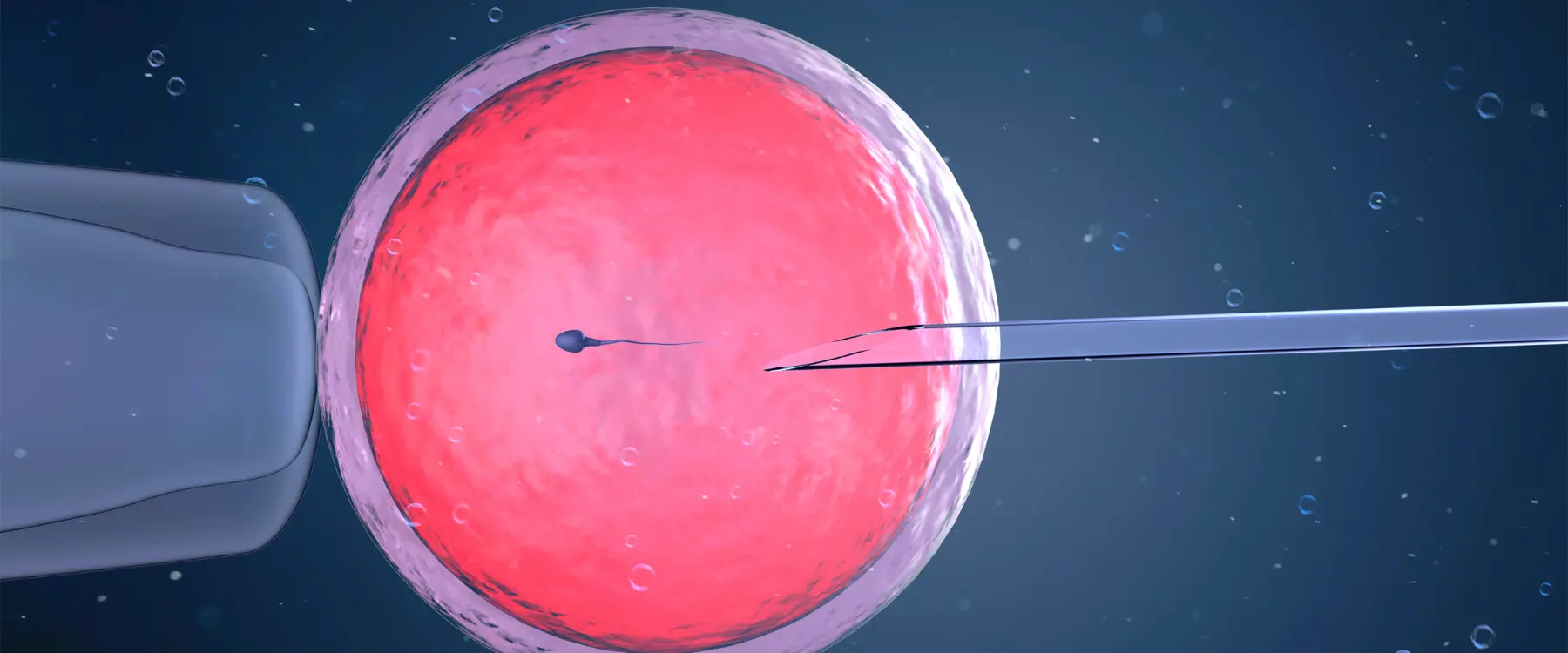
- ICSI (Intracytoplasmic Sperm Injection): This is the most effective treatment for severe asthenozoospermia, as it allows the selection of a single sperm to be injected directly into the egg.
However, since this sperm abnormality compromises sperm motility, artificial insemination with the partner’s sperm (AIH) is not usually the main technique for this diagnosis. In this technique, the sperm need to travel on their own from the uterus to the fallopian tubes, which requires a sufficient number of sperm with good motility.
Frequently asked questions about asthenozoospermia
Can asthenozoospermia be reversed?
Dr. Beatriz Lozano answers
In some cases, yes. Lifestyle changes, medical or surgical treatments can improve sperm motility. Although it is true, it will depend on the diagnosis and degree of affectation.
Does asthenozoospermia affect male fertility for life?
Dr. Beatriz Lozano answers
Not always. As we have already mentioned, it depends on the diagnosis and degree of affectation. In some cases, with appropriate treatment, the swimming capacity of the spermatozoa can be improved. However, it is true that lifestyle and age will also be an obstacle to improving sperm quality.
Which assisted reproduction techniques are best for asthenozoospermia?
Dr. Beatriz Lozano answers
ICSI is the most recommended technique for severe cases, as it ensures fertilisation by selecting the most suitable sperm. Although it is true that in more complex cases of severe asthenozoospermia, ICSI is hindered by this reduced motility, as it is considered a key parameter in the selection of spermatozoa.
Can there be natural pregnancy with asthenozoospermia?
Dr. Beatriz Lozano answers
In mild cases, it is possible, but the probability of success is slightly lower compared to assisted reproductive treatment.
Vida Fertility and male infertility factors
Asthenozoospermia may be the reason for not achieving pregnancy, however, it should not be an obstacle for those who wish to start a family.
With proper diagnosis and recommended treatment, many couples achieve their dream of parenthood. At Vida Fertility, we have a team of experts in andrology and assisted reproduction who will guide you through every step of the process.
If you or your partner are facing sperm motility problems, don’t hesitate to contact us to evaluate your case and explore the options available, we are here to help you!


Ask for a consultation
You may also like



Last news


Testimonials













Where can I find Vida Fertility centres in Spain?
📍 C/ Palermo 15, Hortaleza, 28043 Madrid
📞 Phone number: +34 919 29 83 23
🕒 Opening hours: Monday to Friday from 8am to 7pm
📍 Av. Óscar Esplá 1, Bajo, 03008 Alicante
📞 Phone number: +34 919 29 83 23
🕒 Opening hours: Monday to Friday from 8am to 7pm
ℹ️ The information published on Vida Fertility is reviewed by our fertility specialists and medical team, following up-to-date scientific criteria and evidence-based medicine. Our team is a member at scientific societies such as SEF, ESHRE and SEGO.