
 Español
  Français
  Deutsch
  Italiano
  Nederlands
  International
IUI vs IVF | Differences between IVF and Artificial Insemination: Which is the best option for you?

When pregnancy is not achieved after 6 months or a year of trying, two of the most popular treatments in assisted reproduction are Artificial Insemination (AI) and In Vitro Fertilisation (IVF).
Both treatments aim to help couples and single women achieve their dream of parenthood, but each has different indications, advantages, disadvantages and success rates.
In this article, we talk to the director of Vida Fertility Alicante, Dr. Alejandra García-Villalba, about the differences between in vitro fertilisation and artificial insemination, what each technique consists of and which one might be best for you according to your needs and circumstances.


- What is Artificial Insemination (IUI)?
- What is In Vitro Fertilisation (IVF)?
- Differences between In Vitro Fertilisation and Artificial Insemination
- Which treatment is better for you: IVF or IUI?
- Advantages and disadvantages of Artificial Insemination
- Advantages and disadvantages of performing In Vitro Fertilisation.
- Success rates: Differences between In Vitro Fertilisation and Artificial Insemination.
- Why choose Vida Fertility for your fertility treatment?
- Need help deciding between IVF or IUI? Contact us
- Frequently asked questions about the differences between in vitro fertilisation and artificial insemination
- Our fertility treatments
- Where can I find Vida Fertility centres in Spain?
What is Artificial Insemination (IUI)?
Artificial Insemination consists of introducing a semen sample (either from the partner or donor sperm), previously prepared in the laboratory, directly into the woman’s uterus.
It is a simple, painless procedure and is performed during the ovulation period. Link to ovulation calculator.
Who is artificial insemination indicated for?
- Young couples with infertility of unknown cause.
- Women who have a good ovarian reserve.
- Mild cases of male factor .
- Women with mild ovulatory problems or alterations in the entrance of the uterus.
- Single women who wish to become single mothers.
- Couples of women who wish to become mothers and do not use the ropa method.
- Couples with a genetic disease
Learn about the process of artificial insemination in Spain.
What is In Vitro Fertilisation (IVF)?
IVF is a more advanced procedure, as the fertilisation of the gametes is carried out in the assisted reproduction laboratory.
IVF can be performed in two main ways: conventional IVF and IVF with ICSI.
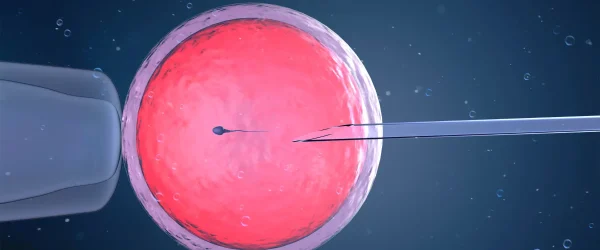
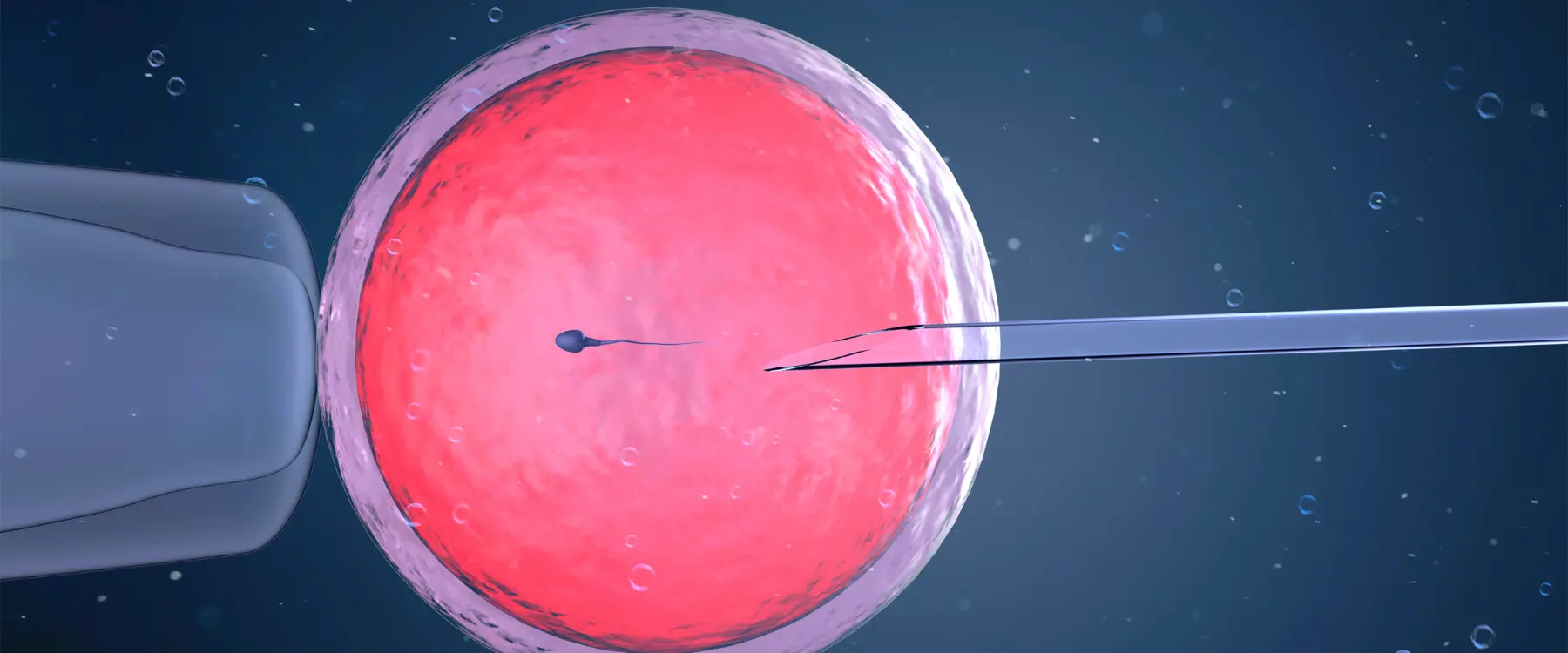
In the case of conventional IVF, the eggs are placed together with the sperm in a culture dish so that fertilisation can take place spontaneously. At Vida Fertility, however, we opt for the ICSI (Intracytoplasmic Sperm Injection) technique as the standard method, in which a sperm is introduced directly into the egg, thus increasing the chances of success.
In both conventional IVF and ICSI, the process is the same. It consists of stimulating the ovaries to obtain eggs (ovarian puncture) and fertilising them in the laboratory with a semen sample and on day 5 or 6, when the embryo is at the blastocyst stage, transferring the best embryo to the woman’s uterus.
Who is IVF indicated for?
- Women with tubal problems (blocked or damaged fallopian tubes).
- Couples with unknown infertility
- Women with low ovarian reserve or advanced age.
- Severe male factor cases.
- Previous Artificial Insemination failures.
- Couples with altered genetic predisposition.
Learn about the process of IVF in Spain.
Differences between In Vitro Fertilisation and Artificial Insemination
| Treatment | Artificial Insemination (AI) | In Vitro Fertilisation (IVF) |
|---|---|---|
| Procedure | Introduction of sperm directly into the uterus. | Fertilisation of the egg in the laboratory and subsequent transfer. |
| Fertilisation | Occurs inside the woman’s fallopian tube. | Fertilisation takes place outside the body in an IVF laboratory. |
| Complexity | Simple and less invasive procedure. | More complex procedure requiring surgical intervention for egg retrieval and transfer. |
| Who is it for? | Women under 35 years old without tubal issues, endometriosis, or sperm-related problems. For mild or unexplained infertility. | Severe infertility, uterine issues, male factors, low ovarian reserve, advanced age. |
| Success rates | Between 15-20% per cycle, depending on age and infertility cause. | Between 50-60%, depending on age and embryo quality. |
| Cost | More affordable. | Higher treatment cost. |
| Number of attempts | Usually recommended up to 2-3 cycles. | Fewer attempts needed, higher success rate on the first cycle. |
| Treatment duration | Approximately 15 days. | Between 3 and 5 weeks, including ovarian stimulation and transfer. |
*** You may be interested to read about the age limit for fertility treatments in Spain ***
Which treatment is better for you: IVF or IUI?
According to our fertility specialists there is no ‘best’ treatment in absolute terms, it depends on the individual case.
If the infertility is of unknown origin and the woman is young, AI may be the first option. However, if there is low ovarian reserve, advanced age or previous implantation failures, IVF is the most appropriate treatment due to its higher success rates.
Advantages and disadvantages of Artificial Insemination
Advantages of Artificial Insemination:
- Lower economic cost.
- Simple and non-invasive procedure.
- Ideal for mild cases.
Disadvantages of Artificial Insemination:
- Lower success rates.
- Not indicated in complex cases of infertility.
Advantages and disadvantages of performing In Vitro Fertilisation.
Advantages of In Vitro Fertilisation (IVF):
- High success rates, even in the first cycle.
- Indicated for severe fertility problems.
- Possibility of genetic testing of embryos (such as PGT-A).
Disadvantages of In Vitro Fertilisation (IVF):
- Higher economic cost.
- Longer and more invasive procedure.
Success rates: Differences between In Vitro Fertilisation and Artificial Insemination.
Success rates with Artificial Insemination
Artificial insemination (AI) success rates vary according to the specific conditions of each patient. However, by carrying out the necessary diagnostic tests and appropriate follow-up, it is possible to achieve good results with this treatment.
According to Vida Fertility data, 15-20% are achieved with sperm from the partner (decreasing with age). However, with donor sperm, 45% is achieved (decreasing progressively with age).
In Vitro Fertilisation success rates
The success rates of IVF treatment depend on the individual circumstances of each patient. However, with the appropriate diagnostic tests and good follow-up care, these success rates can be achieved with IVF.
According to Vida Fertility data, 62% of women under 35 years of age achieve a successful pregnancy. The rate decreases progressively in women over 38 years of age.




Why choose Vida Fertility for your fertility treatment?
At Vida Fertility, we are specialists in treating complex infertility cases, offering a completely personalised approach. Our medical team will analyse your situation in depth to recommend the most appropriate treatment, be it IVF, AI or other available options.
Add what we put into the treatments:
State-of-the-art technologies
Our treatments combine state-of-the-art ART equipment, technology and artificial intelligence with an experienced professional team.
Personalised Patient Care
The same team will be at your side from your first contact through to your pregnancy. Specialising in complex cases, all our protocols are tailored to each patient’s individual needs.
Human-sized Boutique clinic
Vida Fertility is a boutique clinic and many of us have been personally through fertility treatments. We understand and support you 100%.
Communication 100% in English
We place a great deal of importance on good communication, which will be entirely in English, both with the team and for all documentation.
Need help deciding between IVF or IUI? Contact us
If you have been trying to get pregnant for more than 6 months and have not been successful, we encourage you to take the first step. Schedule your first free consultation with us and find out how we can help you fulfil your dream of becoming a mother.
Frequently asked questions about the differences between in vitro fertilisation and artificial insemination
When is insemination recommended and when is IVF recommended?
Dr Alejandra García-Villalba answers:
The choice between artificial insemination (IUI) and in vitro fertilisation (IVF) depends on several clinical and personal factors. As mentioned above:
Artificial insemination is recommended in the following cases:
- Young couples with unexplained infertility.
- Women with a good ovarian reserve.
- Mild cases of male factor infertility.
- Women with mild ovulation problems or alterations in the entrance to the uterus.
- Single women who wish to become mothers on their own.
- Female couples who wish to become mothers and do not wish to use the ROPA method.
- Couples with genetic diseases.
IVF is recommended in the following cases:
- Women with tubal problems (blocked or damaged fallopian tubes).
- Couples with unknown infertility.
- Women with low ovarian reserve or advanced age.
- Severe cases of male factor infertility.
- Previous failures with artificial insemination.
- Couples with altered genetic predisposition.
Why is artificial insemination not a good treatment for you?
Dr Alejandra García-Villalba responds:
Artificial insemination is not the ideal option for all women or couples starting assisted reproduction treatment. Although it is a simpler and, in general, more accessible technique, its results depend greatly on variables such as age, ovarian reserve and the specific cause of infertility.
Therefore, it will be the fertility specialist who assesses your situation and recommends the most appropriate treatment. Even so, it is important that you are also well aware of its limitations so that you can make informed and judicious decisions:
- Lower probability of success per attempt, especially after the age of 35 or if there is low ovarian reserve.
- It is not the best option if there are ovulation problems (disorders that make ovulation difficult or impossible).
- It requires permeable fallopian tubes; many patients do not discover this until after several failed attempts.
- Overall, its success rates are usually significantly lower than other techniques such as IVF in certain profiles.
- It can mean wasting valuable time if the case is not studied properly from the outset and attempts with little chance of success are insisted upon.
- It can also increase emotional stress, because it usually involves more cycles, more waiting and a lower probability of achieving pregnancy with each attempt.
- The semen sample must meet minimum criteria: a normal semen analysis or one with mild abnormalities and a motile sperm count (MSC) > 3 million after preparation.
You can read more about sperm selection techniques here.
How long does an AI cycle last compared to an IVF cycle?
Dr Alejandra García-Villalba answers:
The duration of an artificial insemination (AI) cycle and an in vitro fertilisation (IVF) cycle varies depending on the medical protocol and the response of each patient, but in general terms:
- IUI (artificial insemination) cycle:
The artificial insemination process usually lasts between 2 and 3 weeks, beginning with monitoring of the woman’s natural or induced ovulatory cycle and ending with insemination.
This period may vary depending on the individual characteristics of each patient.
- IVF (in vitro fertilisation) cycle:
The duration of in vitro fertilisation (IVF) treatment generally varies between 3 and 5 weeks, from the start of ovarian stimulation to embryo transfer.
However, this period may vary depending on each patient’s response to treatment and the diagnostic tests required.
At Vida Fertility, we adapt both treatments to the pace and needs of each patient, optimising the timeframes without compromising the quality of the process or the medical support provided.
What fertility tests should you have before IUI?
Dr Alejandra García-Villalba answers:
Before proceeding with artificial insemination treatment, several tests are carried out, including:
- Hormone tests
- Gynaecological ultrasounds.
- Sperm analysis
What fertility tests should you have before IVF?
Dr Alejandra García-Villalba answers:
Before proceeding with in vitro fertilisation treatment, several tests are carried out, including:
For women:
- Transvaginal ultrasound
- Transfer test
- General analyses
- Hormone analyses
- Karyotype
- Mammogram
- Cytology
For men:
- Complete semen analysis
- Infectious serology tests
- Karyotype
- Sperm DNA fragmentation (only when necessary)
IVF or IUI: which is better?
Dr Alejandra García-Villalba explains:
According to our fertility experts, there is no single treatment that is superior in all cases, as the choice depends on each patient’s particular situation.
When the cause of infertility is unknown and the woman is young, artificial insemination may be considered as the first alternative. On the other hand, if there is low ovarian reserve, advanced maternal age or a history of implantation failure, in vitro fertilisation is the most suitable option due to its higher chances of success.
At Vida Fertility, we guide you in choosing the most effective and safest treatment for you, based on individualised studies and our solid clinical experience.




Ask for a consultation
You may also like




Last news


Testimonials







Where can I find Vida Fertility centres in Spain?

📍 C/ Palermo 15, Hortaleza, 28043 Madrid
📞 Phone number: +34 919 29 83 23
🕒 Opening hours: Monday to Friday from 8am to 7pm
📍 Av. Óscar Esplá 1, Bajo, 03008 Alicante
📞 Phone number: +34 919 29 83 23
🕒 Opening hours: Monday to Friday from 8am to 7pm
ℹ️ The information published on Vida Fertility is reviewed by our fertility specialists and medical team, following up-to-date scientific criteria and evidence-based medicine. Our team is a member at scientific societies such as SEF, ESHRE and SEGO.