
 Español
  Français
  Deutsch
  Italiano
  Nederlands
  International
Advantages and disadvantages of artificial insemination: is it the right treatment for you?
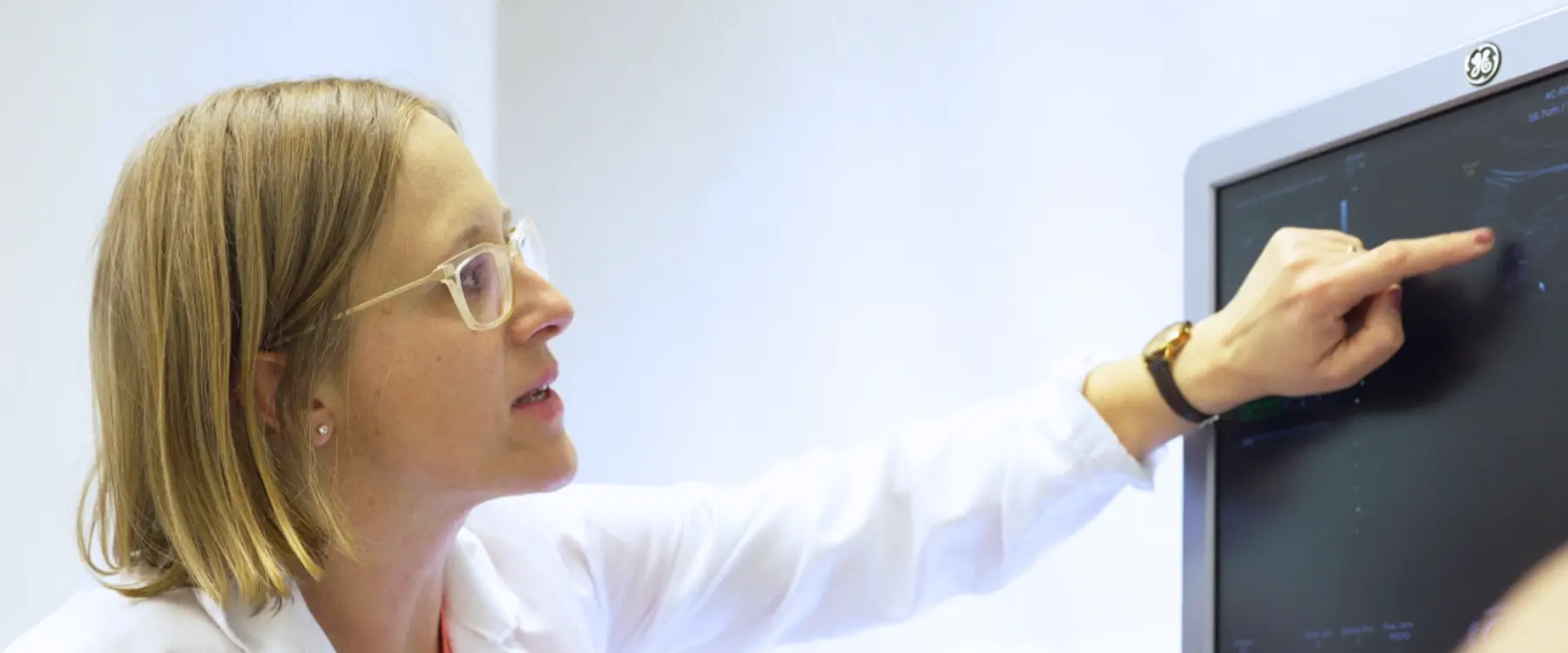
Choosing the right fertility treatment is not easy.
Many women and couples come to Vida Fertility after several failed attempts at artificial insemination (AI), feeling frustrated, with lower ovarian reserve and with the feeling that they have wasted valuable time.
In this article, we want to help you make informed and realistic decisions. We will explain what artificial insemination is, its real advantages and disadvantages, and above all, in which cases it is not the most suitable treatment.


- What is artificial insemination?
- Advantages of artificial insemination
- Disadvantages of artificial insemination
- When is artificial insemination NOT a good option?
- At Vida Fertility: comprehensive diagnosis before starting
- Testimonios reales
- Frequently asked questions about artificial insemination
- Our fertility treatments
- Where can I find Vida Fertility centres in Spain?
What is artificial insemination?
Artificial insemination is a low-complexity assisted reproduction treatment that involves introducing a semen sample (previously prepared in the laboratory) into the woman’s uterus during her fertile window. It can be done with the partner’s semen or with donor semen.
It is a less invasive and more economical process than IVF, and is often the first step in fertility treatments, especially in public health systems or clinics where cases are not individualised.
Advantages of artificial insemination
- Price of artificial insemination: it is usually more affordable than other treatments.
- Simple procedure: it does not require surgery or sedation.
- Less hormonal medication: in some cases, mild ovarian stimulation is sufficient.
- Ideal in very specific cases: young couples with good ovarian reserve and mild male infertility.
- Artificial insemination is the fertility technique that most closely resembles spontaneous conception.
- AI With sperm donation, artificial insemination provides access to motherhood for single women and female couples.
Disadvantages of artificial insemination
Why is artificial insemination not a good treatment for you? Artificial insemination is not the right treatment for all women or couples starting their journey into assisted reproduction.
Although it is a less complex and more accessible technique, its effectiveness depends largely on factors such as the woman’s age, ovarian reserve, or the origin of the fertility problem.
A fertility specialist will assess your case and suggest the most appropriate option, but it is essential that you are also well informed.
- Low success rates per attempt: especially in women over 35 or with low ovarian reserve.
- If there are abnormalities that hinder or prevent ovulation.
- Permeable fallopian tubes are required: many women are unaware of this until their first attempts fail.
- Significantly lower success rates.
- It can be a waste of valuable time: especially when the case is not properly analysed from the outset.
- It can increase emotional stress: as there are more attempts, with less success and longer waits between cycles.
- The semen sample must be of adequate quality, with a semen analysis within normal parameters or with slight alterations, and an REM greater than 3 million motile sperm after preparation. You can read more about sperm selection techniques here. https://vidafertility.com/tecnicas/seleccion-espermatozoides-con-chips-microfluidicos/
Understanding the limitations of artificial insemination will allow you to make informed decisions and not waste time, which is often key in fertility.
When is artificial insemination NOT a good option?
At Vida Fertility, we are very clear: not everyone is an ideal candidate for artificial insemination. And here’s the problem: many women are referred for AI without complete studies, without assessing their ovarian reserve or age, or simply because it is the cheapest option or what is available at that time in the public health system.
Artificial insemination is NOT recommended if:
- You are over 35 years old.
- When you have low ovarian reserve – AMH levels between 0.7-3.5ng/ml
- You have had more than two failed inseminations with no clear explanation.
- You have blocked fallopian tubes or have had previous fallopian tube surgery.
- You have moderate or severe endometriosis.
- You have an unknown cause of infertility and have been trying for over a year.
In these cases, continuing with inseminations may mean wasting time and money.
Can you read more about all Requirements for Artificial Insemination here.
At Vida Fertility: comprehensive diagnosis before starting
The first thing we do at Vida Fertility is a comprehensive fertility assessment. A fertility assessment is a set of medical tests that evaluate the reproductive capacity of a woman, a man or a couple.
In most of the cases we treat at Vida Fertility, women over 40 who want to become mothers and have been trying unsuccessfully for over a year, this assessment is not optional: it is a key diagnostic necessity.
In general, we analyse:
- Age and ovarian quality (with ultrasound and AMH)
- Condition of the fallopian tubes
- Sperm quality
- Gynecological history
- Your expectations and timeline
Only then can we tell you whether AI makes sense or whether it is better to go directly to IVF, where more variables are controlled and each step is optimised to achieve pregnancy.
Testimonios reales

It is incredible how, from absolute resignation, these doctors have lifted my spirits. They got me pregnant and gave me my life back. They live up to their name.
I had to find a way to become a mother if I wanted to pursue my career and not settle for just any partner. I made the right choice.
From the very first moment I felt I was being listened to, understood, and above all, I felt that my treatment was finally going in the right direction.

Hello dear Mrs Ortega,
you and the whole team of Vida fertility make us so happy. Finally a relief that we can be helped! Many thanks to you and all the others for the great care and exceptional quality work. This high quality means a lot to us. We hope that in 2024 we can take a healthy baby full of love into our arms.❤️
Thanks to Dr. Kathi’s support and by following all her advice, the best moment of the treatment came: I got pregnant.
I didn’t know if I would ever be able to get pregnant and now I’m in my 5th month of pregnancy.
It hasn’t been an easy journey. After the second attempt, I am happy to say that in two months I will be meeting my little girl.
Being able to experience this shared motherhood has been a gift for the two of us.
THANK YOU to this great team for everything!
We highly recommend Vida Fertility to anyone who has already given up hope and wants to give it one last try.

A huge thank you to the entire Vida Fertility team, especially to Sophie and Dr. Spies, who helped us achieve the wonderful project of expanding our family. We met a very competent team who perfectly guided and advised us on the medical choices to make at each stage of our journey. 🫶
I recommend Vida Fertility for their professionalism, humanism, and availability.
Our wonderful baby is the proof that the results are there!
Thank you!
Thanks to Vida fertility, we are now mums. Mums!!
It’s the greatest gift of all, we’re so happy!
The good feeling will certainly have contributed to the success of the treatment.
When we first contacted the clinic, I didn’t expect to become a mum so quickly, and now I even have hope that we might be able to create a sibling for our son with the remaining blastocysts.
Thank you!

I chose Vida Fertility because it’s a clinic that offers human support from the very beginning. I’m convinced that my state of mind, so influenced by the unconditional support they gave me, was key to the success of my treatment.
At the first consultation, I felt heard, understood, and full of hope again. The final transfer, our last chance, took place in February 2024… and it worked. Our little girl has brought immense joy to our whole family.
Being a single parent brings challenges, but I’d recommend anyone thinking about it to go for it. Vida Fertility made my dream come true with my first IVF.
Frequently asked questions about artificial insemination
When is artificial insemination recommended?
Dr Katharina Spies replies:
Artificial insemination can be a good option for young women with regular ovulation cycles, good ovarian reserve and permeable fallopian tubes. It is also indicated in mild cases of male infertility or in treatments with donor sperm.
It is essential to assess each case individually so as not to start this treatment if the chances of success are low from the outset.
What are the success rates of artificial insemination according to age?
Dr Katharina Spies replies:
The rates vary greatly according to age:
According to data from Vida Fertility, between 15 and 20% are achieved with the partner’s semen (which decreases with age). However, 45% are achieved with donor semen (which decreases with age).
In addition, the older the patient, the more advisable it is to go directly to IVF.
What is the difference between artificial insemination and in vitro fertilisation (IVF)?
Dr Katharina Spies replies:
It is essential to understand the differences between in vitro fertilisation and artificial insemination, as they are often confused.
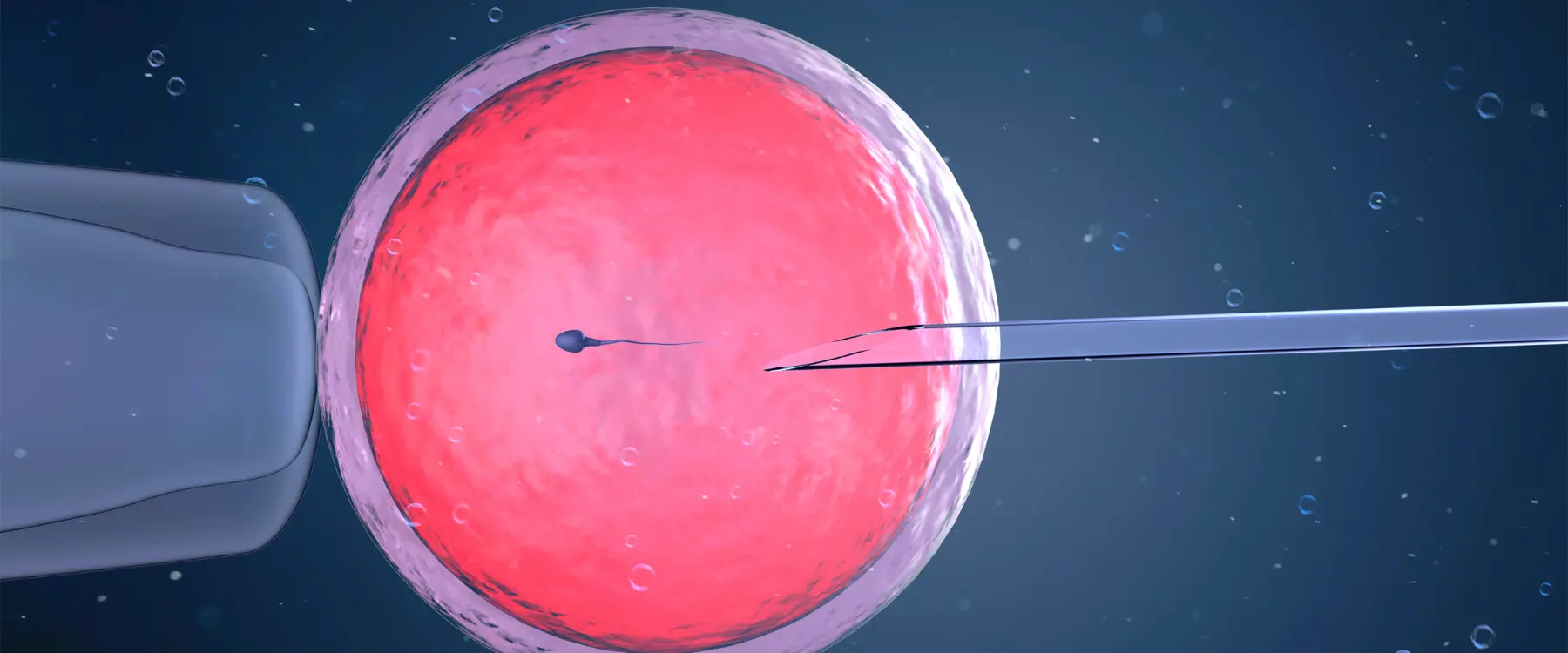
In artificial insemination, fertilisation occurs inside the uterus, with previously prepared sperm being deposited at the right time in the cycle.
In IVF, the eggs are fertilised in the laboratory and the embryo is then transferred to the uterus. IVF allows for much greater control of the process and offers significantly higher success rates, especially in complex cases.
| Treatment | Artificial Insemination (AI) | In Vitro Fertilisation (IVF) |
|---|---|---|
| Procedure | Introduction of sperm directly into the uterus. | Fertilisation of the egg in the laboratory and subsequent transfer. |
| Fertilisation | Occurs inside the woman’s fallopian tube. | Fertilisation takes place outside the body in an IVF laboratory. |
| Complexity | Simple and less invasive procedure. | More complex procedure requiring surgical intervention for egg retrieval and transfer. |
| Who is it for? | Women under 35 years old without tubal issues, endometriosis, or sperm-related problems. For mild or unexplained infertility. | Severe infertility, uterine issues, male factors, low ovarian reserve, advanced age. |
| Success rates | Between 15-20% per cycle, depending on age and infertility cause. | Between 50-60%, depending on age and embryo quality. |
| Cost | More affordable. | Higher treatment cost. |
| Number of attempts | Usually recommended up to 2-3 cycles. | Fewer attempts needed, higher success rate on the first cycle. |
| Treatment duration | Approximately 15 days. | Between 3 and 5 weeks, including ovarian stimulation and transfer. |
What factors reduce the chances of success with artificial insemination?
Dr Katharina Spies replies:
The woman’s age (especially over 35), low ovarian reserve, tubal problems, moderate or severe male factor infertility, and a history of failed attempts are factors that significantly reduce the chances of success with AI.
That is why it is essential to have all fertility tests completed before starting treatment.
What is ovarian reserve and why does it affect artificial insemination?
Dr Katharina Spies replies:
Ovarian reserve is the quantity and quality of eggs a woman has at a given time.
In artificial insemination, we need the ovaries to respond well to stimulation in order to increase the chances of pregnancy. A low reserve limits this response, and in such cases, IVF is usually much more effective.
Is the artificial insemination process painful?
Dr Katharina Spies replies:
No, it is a quick, outpatient procedure and is generally painless. It may cause slight discomfort, similar to a smear test or gynaecological examination, but it does not require anaesthesia or recovery time.
How many cycles of artificial insemination are usually performed before moving on to IVF?
Dr Katharina Spies replies:
At Vida Fertility, we normally perform up to three attempts, provided that the patient’s profile is suitable. If pregnancy does not occur after several cycles or if the diagnosis indicates it, the most sensible thing to do is to move on to IVF so as not to waste any more time and to increase the chances of success.
What are the side effects of ovarian stimulation in insemination?
Dr Katharina Spies replies:
Abdominal discomfort, bloating, sensitivity in the ovaries or mild mood swings may occur. Although the risk is low, in specific cases there may be mild ovarian hyperstimulation. At Vida Fertility we always adjust the dose to avoid complications.
Is it better to go straight to IVF if I have low ovarian reserve?
Dr Katharina Spies replies:
Yes. In women with low ovarian reserve, the response to AI stimulation is very limited, which greatly reduces the chances of success. With IVF, it is possible to use the eggs obtained more effectively, increasing the chances of success per cycle.
What are the waiting lists for artificial insemination on the National Health Service in the United Kingdom?
Dr. Katharina Spies replies:
In the UK, access to fertility treatments such as artificial insemination through the National Health Service (NHS) varies widely depending on your local area and eligibility criteria. The NHS does not offer IUI (intrauterine insemination) uniformly across all regions, and in many cases it may only be available after meeting specific criteria or might not be routinely funded at all.
Where it is offered, waiting times for starting fertility treatment—including consultations, tests and procedures—can range from several months up to a year or more, depending on local NHS resources and demand.
Because the NHS prioritises eligibility and varies the funding available for IUI and other services, many patients choose private clinics like Vida Fertility to avoid long delays and start treatment without waiting lists, particularly when time is a critical factor for fertility success.
Is artificial insemination a waste of time for women over 35?
Dr Katharina Spies replies:
In most cases, yes. From the age of 35 onwards, success rates with AI decrease significantly, and it is common for valuable months to be lost before moving on to IVF.
If the ovarian reserve is already compromised, it is even more important not to delay IVF treatment.
Is artificial insemination worthwhile?
Dr Katharina Spies replies:
If the cause of infertility is unknown and the woman is young, AI may be the first option. However, if there is low ovarian reserve, advanced age or previous implantation failures, IVF is the most appropriate treatment due to its higher success rates.
What are the requirements for artificial insemination?
Dr Katharina Spies replies:
For this technique to have a real chance of success, the woman must have patent fallopian tubes, functional ovulation (spontaneous or induced) and the semen sample must be of adequate quality, with a REM of more than 3 million progressively motile spermatozoa.
The fertility specialist will assess whether these conditions are met and whether AI is really the most appropriate treatment.
Which is better, artificial insemination or IVF?
Dr Katharina Spies replies:
According to our fertility specialists, there is no ‘best’ treatment in absolute terms, but it depends on each individual case.
If the cause of infertility is unknown and the woman is young, AI may be the first option. However, if there is low ovarian reserve, advanced age or previous implantation failures, IVF is the most appropriate treatment due to its higher success rates.
The right decision saves you time, money and frustration
At Vida Fertility, we believe in clear, humane reproductive medicine based on scientific evidence.
We do not offer artificial insemination if we do not believe it will give you results. We do not follow rigid protocols. And we do not waste your time.
If you are considering artificial insemination and want to know if it really makes sense in your case, we can help you.
Vida Fertility Events
At Vida Fertility, we believe that feeling informed is the first step towards a more confident fertility journey.
Through our events, talks and private consultations, we help patients understand their options, ask questions and receive personalised guidance from our fertility specialists in Spain.
Discover our upcoming events and meet the Vida Fertility team.





Ask for a consultation
You may also like


Last news


Testimonials






Where can I find Vida Fertility centres in Spain?

📍 C/ Palermo 15, Hortaleza, 28043 Madrid
📞 Phone number: +34 919 29 83 23
🕒 Opening hours: Monday to Friday from 8am to 7pm
📍 Av. Óscar Esplá 1, Bajo, 03008 Alicante
📞 Phone number: +34 919 29 83 23
🕒 Opening hours: Monday to Friday from 8am to 7pm
ℹ️ The information published on Vida Fertility is reviewed by our fertility specialists and medical team, following up-to-date scientific criteria and evidence-based medicine. Our team is a member at scientific societies such as SEF, ESHRE and SEGO.