
 Español
  Français
  Deutsch
  Italiano
  Nederlands
  International
ROPA method requirements in Spain: legal conditions, tests and recommended age by Dr Katharina Spies

The ROPA method is one of the most sought-after assisted reproduction options for female couples who wish to actively share parenthood. One woman provides the eggs and the other carries the pregnancy to term, meaning both are biologically involved in the process.
However, before starting this treatment, many couples ask the same question: what are the requirements for the ROPA method in Spain?
At Vida Fertility, each case is assessed individually to decide whether the ROPA method is the best option or whether another assisted reproduction strategy should be considered. We spoke to Dr Katharina Spies about the legal requirements, age, ovarian reserve, uterine health, preliminary medical tests, donor sperm selection and the documentation needed to start treatment in Spain.


- What does the ROPA method, or ‘receipt of oocytes from the partner’, involve?
- Eligibility criteria for the ROPA method in Spain
- Table of requirements to start the ROPA Method in Spain
- Requirements for the ROPA method under the Spanish National Health Service
- Requirements for the ROPA method in Spain
- Fertility tests before undergoing the ROPA method
- Legal requirements for the ROPA method in Spain
- Maximum age for the ROPA method
- What fertility tests are required before the ROPA method??
- Administrative requirements before starting the ROPA method
- Frequently asked questions about the ROPA method in Spain
- Fertility consultations at Vida Fertility
- Our fertility treatments
- The best fertility clinics in Spain
What does the ROPA method, or ‘receipt of oocytes from the partner’, involve?
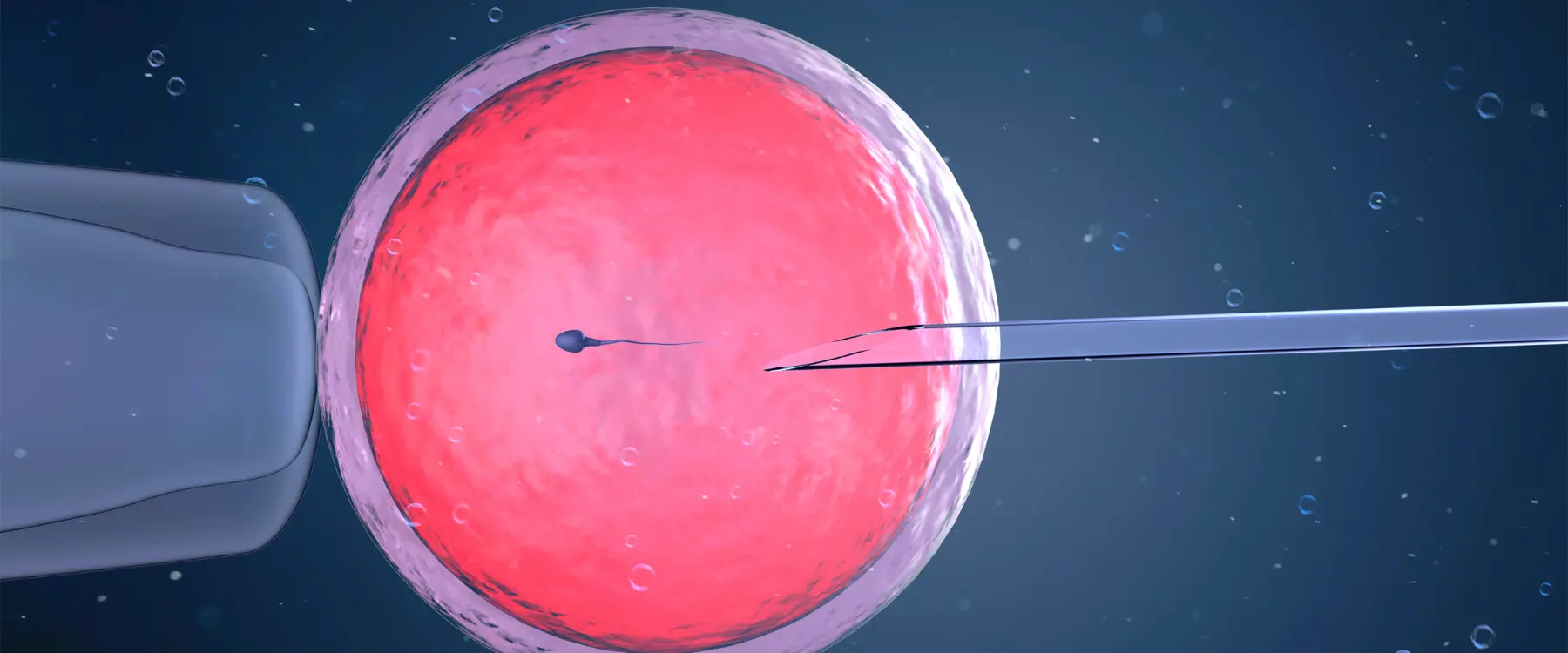
The ROPA method stands for Reception of Oocytes from the Partner. It is an in vitro fertilisation technique designed for female couples, in which one partner provides the eggs and the other receives the embryo and carries the pregnancy to term.
The ROPA method process usually follows these steps:
- A fertility assessment is carried out on both women.
- A decision is made as to who will provide the eggs and who will carry the pregnancy to term.
- The woman providing the eggs undergoes ovarian stimulation.
- The eggs are retrieved via ovarian puncture.
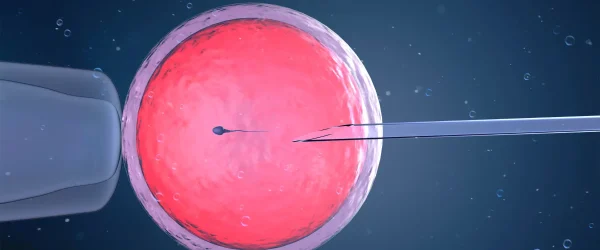
- The eggs are fertilised in the laboratory with sperm from an anonymous donor using ICSI.
- The embryos are cultured in the laboratory using time-lapse incubators.
- The embryo transfer is then carried out into the surrogate mother’s uterus.
The aim of the ROPA method is not only to achieve a pregnancy, but to allow both women to play an active role in the journey to motherhood: one as the genetic mother and the other as the surrogate mother.
Eligibility criteria for the ROPA method in Spain
Table of requirements to start the ROPA Method in Spain
Before starting a ROPA Method treatment in Spain, it is important to assess the legal, medical and administrative requirements. At Vida Fertility, each case is studied individually to decide what role each woman will have in the treatment and which strategy is most appropriate.
| Type of requirement | What is needed to start the ROPA Method | How it is assessed at Vida Fertility |
|---|---|---|
| Legal requirements | In Spain, assisted reproduction is regulated by Law 14/2006 on assisted human reproduction techniques. This law allows access to women over the age of 18, regardless of their marital status or sexual orientation, provided there is informed consent and an appropriate medical indication. | In the specific case of the ROPA Method, Spanish regulations are usually interpreted within the framework of a legally married couple, since gamete donation in Spain is anonymous and receiving eggs from one’s partner represents an exception within the couple’s relationship. For this reason, it is important to review the legal situation before starting treatment, especially if you are in a civil partnership, if you were married outside Spain or if you live in another country. |
| Maximum age for the ROPA Method | Age is assessed individually and depends on each woman’s role in the treatment. The age of the woman providing the eggs directly influences egg quality and the likelihood of obtaining embryos with good developmental potential. | Female fertility decreases from the age of 35 and, from the age of 38-40, the chances of obtaining embryos with good potential may progressively decline. The age of the woman who will carry the pregnancy is also important when assessing pregnancy safety, general health, obstetric risks and uterine preparation. In a private clinic, the ROPA Method may be considered up to the age of 50, always after an individual medical assessment. |
| Medical requirements for the woman providing the eggs | For the woman providing the eggs, tests are aimed at assessing ovarian reserve and the expected response to stimulation. | The study may include:
|
| Medical requirements for the woman carrying the pregnancy | For the woman who will carry the pregnancy, the assessment focuses on checking that the uterus is ready to receive the embryo and that there are no major contraindications to pregnancy. | The assessment may include:
|
| Donor sperm | The ROPA Method uses anonymous donor sperm. In Spain, sperm donation is anonymous, voluntary and regulated. | The couple cannot choose a specific donor or provide a sperm sample from a friend, acquaintance or family member. The donor is selected according to Spanish regulations and following medical, phenotypic and safety criteria. |
| Administrative requirements | In a private clinic, identification documents, medical history, previous reports if available, fertility tests, blood tests and informed consent forms are usually requested. In the ROPA Method, it may also be necessary to provide documents proving the couple’s legal situation. | For a first consultation at Vida Fertility, ideally you should bring:
|
Requirements for the ROPA method under the Spanish National Health Service
In general, the ROPA method is not covered by the Spanish National Health Service. The public system usually offers other options, such as artificial insemination with donor sperm, or in vitro fertilisation with donor sperm, provided that the eligibility criteria of each autonomous community are met.
These criteria may vary by region: age, waiting lists, medical requirements and specific conditions. For this reason, many female couples who wish to undergo the ROPA method currently turn to a private fertility clinic such as Vida Fertility.
Requirements for the ROPA method in Spain
To access the ROPA method in Spain, a series of legal, medical and administrative requirements must be met.
Generally speaking, the main requirements are:
- Both women must be of legal age.
- Informed consent must be given.
- The couple must meet the legal requirements applicable to the ROPA method in Spain.
- A fertility assessment must be carried out on both women.
- The woman providing the eggs must have an adequate ovarian reserve or a reasonable prognosis.
- The surrogate mother must have a uterus ready to receive the embryo.
- There must be no significant medical contraindications to pregnancy.
- Semen from an anonymous donor selected by the medical team must be used.
- The necessary documentation must be provided before treatment begins.
Fertility tests before undergoing the ROPA method
To undergo the ROPA method in Spain, it is not enough simply to decide who will provide the eggs and who will carry the pregnancy. It is necessary to assess the medical situation of both women.
During the consultation, the medical team pays particular attention to:
- The age of both women.
- The ovarian reserve of the woman who could provide the eggs.
- The uterine health of the woman who wishes to carry the pregnancy.
- The gynaecological history of both women.
- History of endometriosis, low ovarian reserve, miscarriages or surgery.
- Any potential medical conditions that could affect the pregnancy.
- The need for genetic testing or further investigations.
- The most appropriate strategy to maximise the chances of pregnancy.
Sometimes, the couple’s initial decision changes following the medical assessment. For example, one woman may wish to donate her eggs, but her ovarian reserve may be low, whilst the other may have a better prognosis for egg production. It may also be the case that one of the two wishes to carry the pregnancy, but it is necessary to first assess the uterus, the endometrium or certain medical history.
For this reason, at Vida Fertility, the ROPA method is not treated as a standard protocol, but rather as a personalised treatment.
Legal requirements for the ROPA method in Spain
Legal framework of the Law on Assisted Human Reproduction 14/2006.
In Spain, assisted reproduction is regulated by Law 14/2006, which allows women over the age of 18 access to these techniques, regardless of their marital status or sexual orientation, provided that informed consent is given and there is an appropriate medical indication.
In the specific case of the ROPA method, there is an important legal aspect: as it involves the receipt of oocytes from the partner, Spanish regulations are usually interpreted within the framework of a legally married couple. This is because gamete donation in Spain is anonymous and the ROPA method constitutes an exception within the context of a couple’s relationship.
Therefore, if you are a female couple and are considering the ROPA method, it is important to review your legal situation before starting treatment, particularly if you are in a civil partnership, if you are married outside Spain, or if you live in another country.
Selection of the sperm donor
The ROPA method uses semen from an anonymous donor. In Spain, sperm donation is anonymous, voluntary and regulated; therefore, the couple cannot choose a specific donor or provide a sperm sample from a friend, acquaintance or relative.
The donor is selected by the medical team based on clinical, phenotypic and safety criteria. The aim is to find the greatest possible compatibility with the patient or the couple, always within the Spanish legal framework and in accordance with established medical checks.
Before a donor semen sample is used, medical, serological and genetic tests are carried out in accordance with the protocols of the sperm bank or authorised centre.
Maximum age for the ROPA method
In Spain, the law does not set a single maximum age for all assisted reproduction treatments. However, age is one of the most important medical factors in deciding which technique is recommended, particularly if the couple wishes to use their own eggs.
Although at Vida Fertility we approach each case individually, taking into account general health, expectations and fertility tests, the age of both women is key in the ROPA method.
In this treatment, two ages must be assessed:
- The age of the woman providing the eggs.
- The age of the woman who will carry the pregnancy.
The age of the woman providing the eggs directly influences egg quality and the likelihood of obtaining viable embryos. We know that female fertility declines from the age of 35 and that, from the age of 38–40, the probability of obtaining embryos with good potential may decrease progressively.
The age of the woman carrying the pregnancy is also important, as it allows us to assess the safety of the pregnancy, her general state of health, any obstetric risks and the readiness of the uterus to receive the embryo.
Therefore, rather than asking “what is the maximum age for the ROPA method?”, the more useful question is: what role should each of us play in the treatment to maximise our chances and ensure medical safety?
What fertility tests are required before the ROPA method??
Before the ROPA method, a fertility assessment is carried out on both women, although the tests may vary depending on the role each woman will play in the treatment.
For the woman providing the eggs, the tests are usually aimed at assessing ovarian reserve and the expected response to stimulation. They may include:
- Transvaginal ultrasound.
- Antral follicle count.
- Anti-Müllerian hormone (AMH).
- Hormone blood tests such as FSH, LH or oestradiol.
- Serological tests.
- Review of gynaecological history.
- Genetic testing or karyotyping if medically indicated.
For the pregnant woman, the assessment focuses on checking that the uterus is ready to receive the embryo and that there are no significant contraindications to pregnancy. It may include:
- Transvaginal ultrasound scan.
- Endometrial assessment.
- Examination of the uterine cavity if polyps, fibroids, malformations or adhesions are suspected.
- General and hormonal blood tests if indicated.
- Serological tests.
- Review of medical history, miscarriages, previous surgeries or illnesses.
The need for further tests may also be assessed in cases of recurrent miscarriages, previous implantation failures, endometriosis, low ovarian reserve, uterine abnormalities or relevant family history.
Do all the tests need to be completed before the first consultation? This is one of the most common questions. Not necessarily. The important thing is to attend an initial assessment so that the necessary investigations can be arranged.
If you already have test results, you can bring them with you. If you do not have them, the first consultation is specifically designed to determine which tests each individual requires.
Administrative requirements before starting the ROPA method
At a private clinic, you will normally be asked to provide identification documents, your medical history, any previous reports, fertility tests carried out, blood test results and informed consent forms.
In the specific case of the ROPA method, it may also be necessary to provide documentation proving the couple’s legal status, particularly if the treatment is being carried out within the context of a legally married couple.
For an initial consultation at Vida Fertility, it is best to bring:
- ID card, NIE or passport.
- Marriage certificate, if applicable.
- Previous medical reports.
- Hormone test results, if you already have them.
- Recent gynaecological tests.
- Reports from previous treatments.
- A list of current medication.
- History of miscarriages, surgeries or relevant medical conditions.
With the ROPA method, no semen sample is provided by the male partner, as semen from an anonymous donor selected in accordance with Spanish regulations is used.
If you don’t have any test results, that’s fine. The first visit is specifically to decide what each of you needs and what the best strategy is for your situation.
Frequently asked questions about the ROPA method in Spain
With the ROPA method, who will the baby take after?
In the ROPA method, the baby will have the genetic makeup of the woman providing the egg and the sperm donor. Therefore, from a genetic point of view, the baby may resemble the mother providing the eggs.
However, the surrogate mother also plays a very important biological role. During pregnancy, the uterus, the placenta, the hormonal environment and mother-foetal communication all play a part in the baby’s development. This is known as epigenetics; therefore, although the genetic material comes from the egg and the donor’s sperm, the pregnancy itself also plays an active part in the process.
It is not possible to predict exactly who a baby will look like. As with any pregnancy, physical resemblance will depend on many genetic and biological factors.
What does the acronym ROPA stand for?
ROPA stands for Reception of Oocytes from the Partner.
It is also known as shared motherhood or dual motherhood, because it allows both women to participate in the process: one provides the eggs and the other carries the pregnancy to term.
Risks of the ROPA method
The risks of the ROPA method are similar to those of in vitro fertilisation. For the woman providing the eggs, these may be related to ovarian stimulation, follicular aspiration, or a low or excessive ovarian response. For the surrogate mother, the risks depend mainly on her age, state of health, uterus, medical history and the progress of the pregnancy.
Among the risks or factors that must be assessed are:
- Poor response to ovarian stimulation.
- Discomfort during stimulation.
- Risks associated with ovarian puncture, although these are rare.
- Cancellation of the cycle if there is no adequate response.
- Failure to obtain viable embryos.
- Failure of implantation.
- Miscarriage.
- Multiple pregnancy if more than one embryo is transferred.
- Obstetric risks associated with age or pre-existing conditions.
For this reason, at Vida Fertility, each case is assessed individually and priority is given to a safe, personalised and realistic strategy.
Can you bring your own semen sample for the ROPA method?
No. In Spain, the ROPA method is carried out using anonymous donor semen from an authorised bank or through the channels established by the assisted reproduction centre.
The couple cannot provide a semen sample from an acquaintance, friend or relative. Spanish law protects the anonymity of gamete donation and requires the process to be carried out under appropriate medical and legal safeguards.
Donor selection is the responsibility of the medical team, which takes into account clinical, phenotypic and safety criteria.
Celebrities who have undergone the ROPA method
Some public figures, such as Dulceida and Alba, have undergone the ROPA method and have spoken openly about co-parenting, female couples and assisted reproduction, and this has helped to raise awareness of different family structures.
However, beyond high-profile cases, it is important to remember that the ROPA method should not be chosen simply because a famous person has had it, but because it is suitable for your medical, legal and emotional circumstances.
Fertility consultations at Vida Fertility
If you’ve read this far, you may be wondering whether in vitro fertilisation is right for you. At Vida Fertility, we offer private consultations – either online or in person – at our assisted reproduction centres across Spain. Our team will assess your situation on a personalised basis and explain the steps you should take before starting the ROPA method.





Vida Fertility Events
At Vida Fertility, we believe that feeling informed is the first step towards a more confident fertility journey.
Through our events, talks and private consultations, we help patients understand their options, ask questions and receive personalised guidance from our fertility specialists in Spain.
Discover our upcoming events and meet the Vida Fertility team.
Ask for a consultation
You may also like


Last news


Testimonials



The best fertility clinics in Spain
📍 C/ Palermo 15, Hortaleza, 28043 Madrid
📞 Phone number: +34 919 29 83 23
🕒 Opening hours: Monday to Friday from 8am to 7pm
📍 Av. Óscar Esplá 1, Bajo, 03008 Alicante
📞 Phone number: +34 919 29 83 23
🕒 Opening hours: Monday to Friday from 8am to 7pm
ℹ️ The information published on Vida Fertility is reviewed by our fertility specialists and medical team, following up-to-date scientific criteria and evidence-based medicine. Our team is a member at scientific societies such as SEF, ESHRE and SEGO.