
 Español
  Français
  Deutsch
  Italiano
  Nederlands
  International
ROPA Method in Alicante: Process, cost and testimonials

Are you looking for information about where to perform the Ropa Method in Alicante? At Vida Fertility we can help you. We talked to the medical director, Dr. Alejandra García-Villalba, about the process, treatment and price of the ROPA Method.


- What is the ROPA Method?
- What is the process of the ROPA Method in Alicante like?
- Selection of sperm donors for the Ropa Method in Alicante
- Duration of the process in Alicante
- Who can perform the Ropa Method?
- Best clinic to perform the ROPA Method in Alicante
- Possibility of getting pregnant with the ROPA Method in Alicante
- Shared motherhood testimonials at Vida Fertility Alicante
- How much does the ROPA Method cost in Alicante?
- Frequently asked questions about the ROPA method
- Our fertility treatments
- Where can I find Vida Fertility centres in Spain?
What is the ROPA Method?
The Ropa Method is a fertility treatment in which one of the women donates her eggs, which are fertilised with sperm from an anonymous donor, and the other woman carries the pregnancy to term.
This procedure allows both women to actively participate in the creation and gestation of their child.
What is the process of the ROPA Method in Alicante like?
First diagnostic visit
The first step at Vida Fertility Alicante to perform the Ropa Method is a diagnostic visit at our centre.
During this initial consultation, an exhaustive medical evaluation of both women is carried out to determine their reproductive health and to ensure that both are suitable for the treatment.
The tests to be performed are blood tests and ultrasound scans on both women. The fertility doctor will assess other tests needed to create a personalised treatment plan.
Selection of the genetic mother
After the initial evaluation, a decision is made as to which of the two mothers will donate the egg. This decision is based on factors such as the couple’s reproductive health, age and personal preferences.
Synchronising the two menstrual cycles
The synchronisation of the menstrual cycles of both women is crucial to the success of the ROPA Method.
Through hormonal medication, the genetic mother’s cycle is coordinated with that of the gestational mother, ensuring that the recipient’s uterus is ready to transfer the embryos at the right time.
Double preparation
The genetic mum begins ovarian stimulation to produce multiple mature eggs. This involves the administration of hormonal drugs for approximately 10-12 days, followed by regular monitoring with ultrasound and blood tests.
At the same time, the expectant mother begins endometrial preparation with hormones to condition her endometrium, the lining of the uterus, to receive and nourish the embryo.
Ovarian puncture
Once the genetic mother’s follicles have reached the appropriate size, the ovarian puncture is performed to extract the eggs.
This procedure is performed under sedation and is guided by ultrasound to ensure accuracy and minimise discomfort.
Fertilisation and embryo development
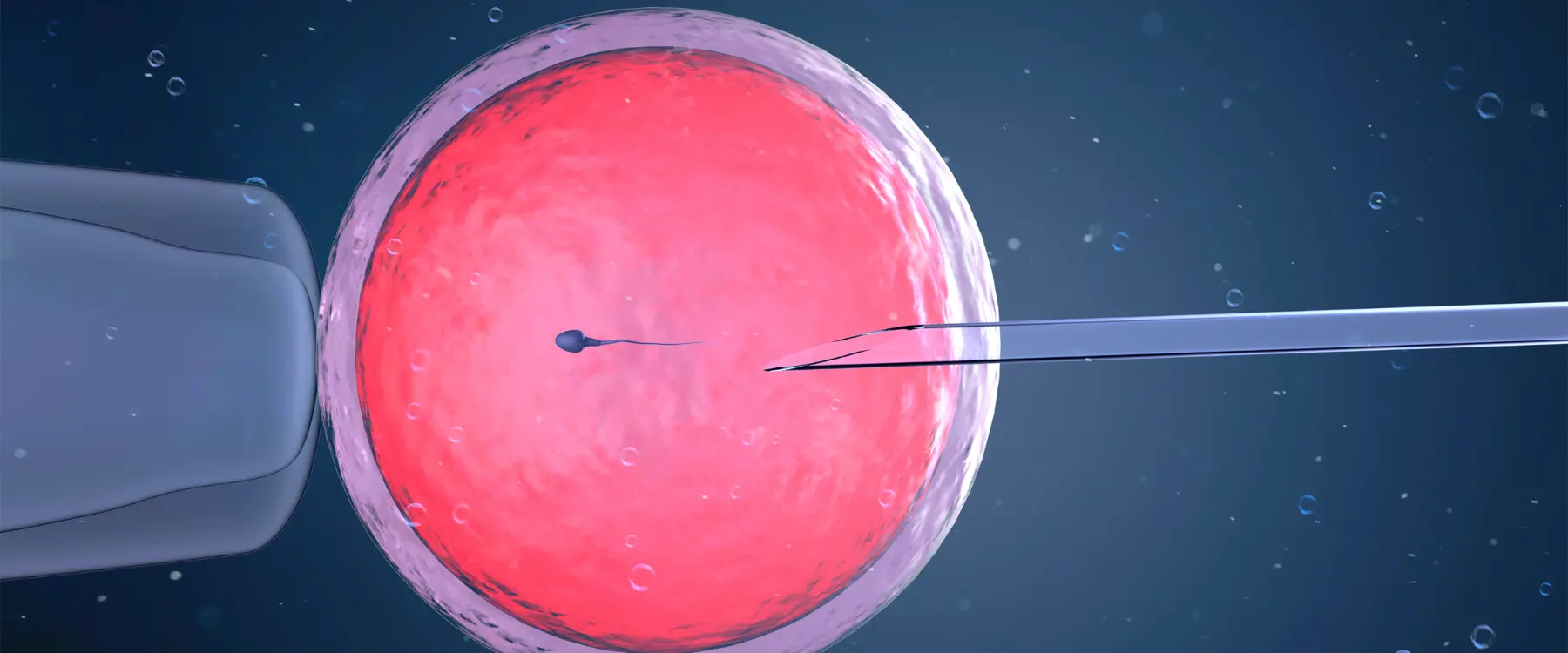
The retrieved eggs are fertilised with donor sperm in the laboratory using techniques such as intracytoplasmic sperm injection (ICSI) or conventional IVF.
The resulting embryos are cultured for a few days under Time-Lapse technology until they reach the optimal stage for transfer.
Embryo transfer
Finally, the best quality embryo is selected and transferred into the mother’s uterus. This procedure is simple and generally does not require anaesthesia. After the transfer, a short period of rest is recommended.
During the next 15 days (beta waiting period) a blood test will be performed to check the beta HCG levels and to see if pregnancy is present.

Selection of sperm donors for the Ropa Method in Alicante
At Vida Fertility Alicante, the selection of sperm donors is done through an external sperm bank. Donors are evaluated through a rigorous process that includes extensive medical and genetic testing to ensure the health and quality of the sperm.
Physical characteristics and family history are also considered to increase genetic compatibility with the recipient couple.
Duration of the process in Alicante
The entire process of the ROPA Method in Alicante can take between 4 and 6 weeks from the initial synchronisation to the embryo transfer. This time can vary for different reasons:
- Each woman’s response to the treatment
- Planning of the clinic
- Patient preferences
Who can perform the Ropa Method?
The Ropa Method or Couple’s Egg Reception is indicated for couples of women who wish to share motherhood.
Age limit to perform the ROPA Method in Alicante
At Vida Fertility Alicante, the recommended age limit for the ROPA Method is usually up to 50 years of age, although this may vary depending on the health conditions of the patients.
It is very important to evaluate individually to ensure the best possible result, stresses Dr. Alejandra García-Villalba.
Best clinic to perform the ROPA Method in Alicante
Vida Fertility Alicante stands out as one of the best clinics to perform the ROPA Method.
‘We have modern facilities and state-of-the-art technology to ensure high quality treatment. Our laboratories are equipped with advanced equipment for embryo culture and patient monitoring’. assures Medical Director Dr. Garcia-Villalba.
Book your appointment with us today to start your journey towards shared motherhood! Book Appointment
Possibility of getting pregnant with the ROPA Method in Alicante
The success rates of the ROPA Method in Alicante are very high. At Vida Fertility Alicante, our success rates range between 60% and 70% per cycle, depending on individual factors such as the age and health of the women involved.
Shared motherhood testimonials at Vida Fertility Alicante
Many couples have achieved their dream of becoming mothers thanks to our team and our state-of-the-art technology.

It is incredible how, from absolute resignation, these doctors have lifted my spirits. They got me pregnant and gave me my life back. They live up to their name.
I had to find a way to become a mother if I wanted to pursue my career and not settle for just any partner. I made the right choice.
From the very first moment I felt I was being listened to, understood, and above all, I felt that my treatment was finally going in the right direction.

Hello dear Mrs Ortega,
you and the whole team of Vida fertility make us so happy. Finally a relief that we can be helped! Many thanks to you and all the others for the great care and exceptional quality work. This high quality means a lot to us. We hope that in 2024 we can take a healthy baby full of love into our arms.❤️
Thanks to Dr. Kathi’s support and by following all her advice, the best moment of the treatment came: I got pregnant.
I didn’t know if I would ever be able to get pregnant and now I’m in my 5th month of pregnancy.
It hasn’t been an easy journey. After the second attempt, I am happy to say that in two months I will be meeting my little girl.
Being able to experience this shared motherhood has been a gift for the two of us.
THANK YOU to this great team for everything!
We highly recommend Vida Fertility to anyone who has already given up hope and wants to give it one last try.

A huge thank you to the entire Vida Fertility team, especially to Sophie and Dr. Spies, who helped us achieve the wonderful project of expanding our family. We met a very competent team who perfectly guided and advised us on the medical choices to make at each stage of our journey. 🫶
I recommend Vida Fertility for their professionalism, humanism, and availability.
Our wonderful baby is the proof that the results are there!
Thank you!
Thanks to Vida fertility, we are now mums. Mums!!
It’s the greatest gift of all, we’re so happy!
The good feeling will certainly have contributed to the success of the treatment.
When we first contacted the clinic, I didn’t expect to become a mum so quickly, and now I even have hope that we might be able to create a sibling for our son with the remaining blastocysts.
Thank you!

I chose Vida Fertility because it’s a clinic that offers human support from the very beginning. I’m convinced that my state of mind, so influenced by the unconditional support they gave me, was key to the success of my treatment.
At the first consultation, I felt heard, understood, and full of hope again. The final transfer, our last chance, took place in February 2024… and it worked. Our little girl has brought immense joy to our whole family.
Being a single parent brings challenges, but I’d recommend anyone thinking about it to go for it. Vida Fertility made my dream come true with my first IVF.
How much does the ROPA Method cost in Alicante?
The price of the ROPA Method in Alicante may vary depending on the necessary tests and medication required.
At Vida Fertility Alicante, each patient receives a personalised treatment tailored to their specific needs.
To get a detailed quote tailored to your case, we invite you to contact us through our contact form or call us directly.
Our team is here to help you every step of the way to motherhood!
Frequently asked questions about the ROPA method
Requirements for the ROPA method in thebest clinic for the ROPA method in Spain
Dr. Spies responds:
To begin the ROPA method, the couple must meet certain basic requirements:
- Be of legal age
- Have full capacity to act voluntarily
- Give informed consent
- Not suffer from serious illnesses that could compromise the health of the mother or the future baby.
In addition, it is essential that the woman who will provide the eggs has an adequate ovarian reserve, as this will determine the possibility of obtaining a sufficient number of good quality oocytes. If the ovarian reserve is low, the medical team may recommend alternatives or adjust the treatment to optimise results.
Another key aspect is the use of anonymous donor semen, as established by Spanish law. The selection of the donor is always carried out by the medical team, based on criteria of genetic, phenotypic and immunological compatibility, with the aim of guaranteeing the safety of the treatment and the health of the future baby.
As for the legal framework, Spanish legislation recognises the right to motherhood for all women, regardless of their marital status or sexual orientation. Since 2007, dual motherhood can be registered in the Civil Registry when the couple is married, and Law 4/2023 extends this recognition to unmarried couples as well, placing them on an equal footing with heterosexual couples.
Embryos generated in ROPA treatment legally belong to both women, so they can be transferred to either of them in subsequent cycles, unless there is a specific medical indication that limits this.
In which countries is the ROPA method legal? In the best clinic for the ROPA method in Spain
Dr. Spies responds:
In Spain, the ROPA (Reception of Oocytes from Partner) method is completely legal.
This treatment allows female couples to share the reproductive process: one of them provides the eggs and the other carries the future baby. In addition, Spanish law recognises both as mothers of the baby from birth.
To access the ROPA method in Spain, both women must be married, which facilitates joint legal recognition of motherhood.
| País | Método ROPA permitido | Donación de semen anónima | Lista de espera |
|---|---|---|---|
| 🇪🇸 España | Sí | Sí | No |
| 🇩🇪 Alemania | No | No | – |
| 🇮🇹 Italia | No | No | – |
| 🇫🇷 Francia | Sí | No | Sí |
| 🇬🇧 Reino Unido | Sí | No | Sí |
| 🇮🇪 Irlanda | Sí (limitado) | No | Sí |
| 🇳🇱 Países Bajos | Sí | No | Sí |
What is the success rate of the ROPA method? In the best clinic for the ROPA method in Spain
Dr. Spies responds:
The rates are similar to conventional IVF, with variations depending on age and egg quality. At Vida Fertility, we have one of the best success rates in Europe.
How does the ROPA method work in Spain?
Dr. Spies responds:
- First medical consultation: We assess your case on an individual basis (in person or online). If you already have medical tests, we review them with you.
- Choice of roles: Together with the medical team, you decide who will provide the eggs and who will carry the pregnancy, taking into account the couple’s wishes and the medical results.
- Cycle synchronisation: We align the menstrual cycles of both mothers to facilitate a fresh transfer.
- Simultaneous preparation: One mother undergoes ovarian stimulation and the other undergoes endometrial preparation. This process takes between 10 and 15 days.
- Egg retrieval: Ovarian puncture is performed under sedation, without hospitalisation, in about 15-30 minutes.
- Sperm donor selection: We collaborate with certified sperm banks that guarantee the safety, anonymity and quality of the samples.
- Fertilisation and embryo culture: The eggs are fertilised in the laboratory using ICSI and the embryos are cultured until they reach the blastocyst stage.
- Embryo transfer: The best embryo is transferred to the surrogate mother’s uterus between the 5th and 6th day of culture, without the need for anaesthesia.
- Vitrification of surplus embryos: Viable embryos that are not transferred are frozen for future use.
- Beta wait: Two weeks later, a blood test is performed to detect the pregnancy hormone (hCG).
Can I choose who donates the eggs and who carries the embryo?
Dr. Spies responds:
Yes, in the ROPA method, this decision is always up to you as a couple. Our role as a clinic is to advise you medically and emotionally so that you can make the best possible decision, but we never impose a guideline.
The factors we must consider are:
- Age and ovarian reserve: to maximise the chances of success, we usually recommend that the egg donor does not have a low ovarian reserve.
- General health: we assess whether either partner has any conditions that could affect pregnancy or ovarian stimulation.
- Personal and emotional desire: some couples arrive with this decision already made, while others prefer to discuss and evaluate it together after receiving medical guidance.
At Vida Fertility, we accompany you through this process in a respectful and personalised manner. We understand that this is not just a medical decision, but a shared experience that will shape your family plans.
How is the sperm donor selected in Spain?
Dr. Spies responds:
In Spain, the choice of sperm donor does not fall to the patient, but to the specialised medical team, which selects the most suitable donor according to strict medical criteria. This assignment is made under the principle of phenotypic and immunological similarity, which involves seeking the closest possible match in physical characteristics such as eye colour, hair colour, skin tone, height, build, blood group and RH factor, as well as genetic compatibility.
It is important to note that donation is completely anonymous, so patients cannot choose or contact the donor. To ensure safety and quality, each donor undergoes a thorough selection process that includes medical evaluations, genetic studies, and psychological tests, thus ensuring both the health of the donation and the quality of the samples used in treatments.
What fertility tests should be performed before the ROPA method?
Dr. Spies responds:
Before starting treatment with the ROPA Method (Reception of Oocytes from Partner) at our fertility clinic in Spain, both mothers must undergo a series of medical tests. These tests confirm that both the donor mother (who will provide the eggs) and the recipient mother (who will carry the pregnancy) are in optimal condition for the treatment to be successful. The most important tests include assessment of ovarian reserve, hormonal and serological analyses, genetic matching with the anonymous sperm donor, and evaluation of endometrial receptivity.
| Egg donor mom (will provide the eggs) | Carrying mom (will carry the pregnancy) |
|---|---|
| Ovarian reserve: Anti-Müllerian hormone (AMH) and baseline ultrasound. | Transvaginal ultrasound. |
| Serologies (HIV, hepatitis B and C, syphilis, etc.). | Mock embryo transfer. |
| Genetic matching with the anonymous sperm donor. | General blood test: Includes CBC, biochemistry, coagulation, as well as parameters like vitamin D and homocysteine. *Test may vary depending on your case. |
| Karyotype to rule out chromosomal alterations. | Hormonal panel: with special focus on thyroid hormones and others depending on your clinical history. |
| Ovarian stimulation and egg retrieval. | Infectious disease screening (including Rubella, Toxoplasma, CMV). |
| Mammogram (if over 40 years old). | Mammogram (if over 40 years old). |
| — | Pap smear. |
Is there any difference between ROPA and IVF?
Dr. Spies responds:
The main difference is that In Vitro Fertilisation (IVF) is a commonly used assisted reproduction technique, while the ROPA method (Reception of Oocytes from Partner) is a variant designed specifically for female couples who wish to share motherhood.
In this treatment, one of the women provides the eggs, which are fertilised in the laboratory with donor sperm, and the resulting embryo is transferred to the uterus of the other woman, who will carry the pregnancy. In this way, both women actively participate in the reproductive process.
Ask for a consultation for Ropa method in Alicante
You may also like


Last news


Testimonials









Where can I find Vida Fertility centres in Spain?
📍 C/ Palermo 15, Hortaleza, 28043 Madrid
📞 Phone number: +34 919 29 83 23
🕒 Opening hours: Monday to Friday from 8am to 7pm
📍 Av. Óscar Esplá 1, Bajo, 03008 Alicante
📞 Phone number: +34 919 29 83 23
🕒 Opening hours: Monday to Friday from 8am to 7pm
ℹ️ The information published on Vida Fertility is reviewed by our fertility specialists and medical team, following up-to-date scientific criteria and evidence-based medicine. Our team is a member at scientific societies such as SEF, ESHRE and SEGO.