
 Español
  Français
  Deutsch
  Italiano
  Nederlands
  International
Is PGT necessary in egg donation treatments?

When a couple or a woman wants to become a mother, fertility problems may arise that make egg donation worth considering. This type of treatment often raises many questions.
According to Dr Katharina Spies, one of the most frequently asked questions is whether PGT should be performed on embryos created from donor eggs. The answer is not universal, but in most cases, it is not essential.
At Vida Fertility, we aim to address this issue with a professional, empathetic and scientifically backed approach, based on both clinical evidence and daily experience.


- What is Preimplantation Genetic Testing and when is it done?
- Types of PGT
- Who is PGT recommended for?
- And what about donor eggs – is PGT necessary in egg donation?
- Experiencing egg donation: the genetic grief
- In which cases might PGT be considered in egg donation?
- Do you have questions about your egg donation treatment?
- Frequently asked questions about PGT in egg donation
What is Preimplantation Genetic Testing and when is it done?
Preimplantation Genetic Testing (PGT) is a technique that enables the identification of potential genetic or chromosomal abnormalities in embryos before they are implanted in the uterus. Its main goal is to ensure the birth of a healthy baby.
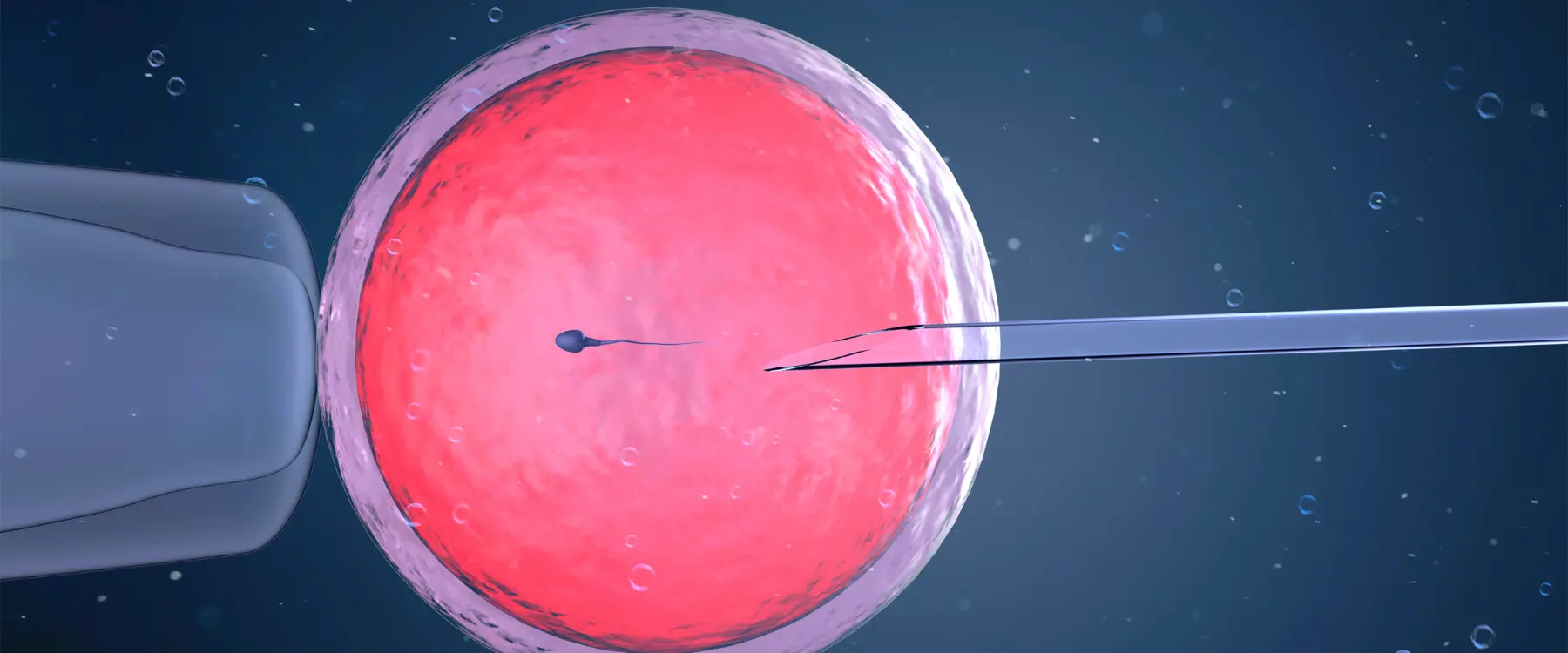
This procedure is carried out as part of an IVF treatment, either through conventional fertilisation or ICSI.
On the fifth day of embryo development, a biopsy is performed to extract one or more cells for genetic analysis. The embryos are then vitrified until results are available.
Once the genetic results are obtained, embryos with a normal karyotype can be selected for transfer.
Types of PGT
Preimplantation Genetic Testing can be classified into three main types, depending on the genetic anomaly being screened:
• PGT-A – to detect aneuploidies or abnormalities in chromosome number
• PGT-M – aimed at identifying single-gene hereditary diseases
• PGT-SR – used to analyse structural rearrangements in genetic material
What is PGT-A and when is it done?
PGT-A is a laboratory technique that analyses embryos via biopsy before uterine transfer, aiming to detect chromosomal anomalies.
It is especially recommended in the following cases:
- Advanced maternal age (over 38–40)
- Previous implantation failures
- Recurrent miscarriages
- Severe male infertility
Its main goal is to identify euploid embryos (with the correct number of chromosomes), thus increasing the chances of a successful pregnancy and reducing miscarriage risk.
What is PGT-M and when is it performed?
PGT-M, or Preimplantation Genetic Testing for Monogenic Disorders, helps identify specific inherited conditions caused by mutations in a single gene, such as cystic fibrosis, Fragile X syndrome, or Huntington’s disease.
It is indicated for women who are carriers of mutations that can cause hereditary conditions.
What is PGT-SR and when is it done?
PGT-SR (for Structural Rearrangements) involves embryo biopsy to identify chromosomal imbalances such as translocations, which may result from structural rearrangements inherited from the parents.
It is advised for couples where one or both partners carry structural chromosomal abnormalities like translocations or inversions.
Who is PGT recommended for?
PGT is especially advised in specific clinical scenarios such as:
• Couples carrying genetic anomalies
• Altered karyotype in one of the parents
• Women over 39–40 due to higher risk of chromosomal abnormalities in embryos
• Women with several failed IVF cycles
• Women with a history of recurrent miscarriage
• Abnormal FISH results in sperm cells
And what about donor eggs – is PGT necessary in egg donation?
Egg donation is a different scenario. Egg donors are young, healthy women with no genetic history and undergo a rigorous selection process. At Vida Fertility, we also carry out thorough genetic matching between donor and male partner, ensuring both phenotypic and genetic compatibility.
A key study published in Human Reproduction in 2020 analysed the effect of PGT-A on egg donation treatments. The conclusion was clear: no significant improvements were observed in successful pregnancy rates when PGT-A was applied to embryos created from donor eggs.
Based on this evidence, we can confidently say that there is no current scientific basis supporting the idea that PGT-A increases success rates in treatments using eggs from young, healthy donors, like those carefully selected at Vida Fertility. However, it remains a tool available to patients who wish to use it, and we always consider their preferences in offering fully personalised care.
In this context, the risk of chromosomal anomalies in embryos is much lower. Egg quality is optimal and, unless there is a specific medical reason, routine use of PGT-A is not recommended.
In cases where there is concern about hereditary genetic conditions, targeted testing such as PGT-M can also be performed, regardless of the donor’s age or history.
Experiencing egg donation: the genetic grief
Accepting an egg donation treatment is not an easy step. Many couples and single women go through a profound sense of genetic grief. As Medical Director of Vida Fertility Madrid, I can say that this is one of the most complex and honest decisions one can make: choosing between giving up one’s own genetic link or the possibility of having a child.
Once the decision is made to proceed with egg donation, a new horizon opens up. Genetics is no longer the priority – it becomes about the family you want to build. And in this context, realising that additional tests (such as PGT-A in most cases) are unnecessary can ease both the emotional and financial burden of the process.
In which cases might PGT be considered in egg donation?
Although not common, there are specific situations where it might be appropriate:
• Presence of genetic abnormalities in the male partner
• Unexplained implantation failures even after several egg donation cycles
• Recurrent miscarriages without a known cause
• Patients with significant emotional strain who wish to minimise the risk of failed transfers
Each case should be assessed individually. At Vida Fertility, we take a multidisciplinary approach, and always decide together with the patient whether PGT adds real clinical value.
Do you have questions about your egg donation treatment?
Every patient is unique. If you’re wondering whether PGT makes sense in your case, or would like us to help you determine the best approach for your treatment, we invite you to book an initial consultation with our specialists.
Dr Katharina Spies and the entire Vida Fertility medical team are here to listen, advise and accompany you every step of the way.
Frequently asked questions about PGT in egg donation
Why is PGT performed in egg donation?
Dr Katharina Spies answers:
There are several clinical reasons why Preimplantation Genetic Testing (PGT) may be recommended even in egg donation treatments:
• History of unsuccessful IVF cycles using own eggs – PGT can help determine whether genetic abnormalities in the embryos were the cause of failure
• Sperm quality issues – When semen presents anomalies such as low sperm count, reduced motility, abnormal morphology or high DNA fragmentation, the risk of genetic issues in embryos increases regardless of egg quality
• Frozen embryos from previous cycles – If vitrified embryos are available, PGT can be done before the next transfer to improve success rates
• Embryos created in another clinic – PGT can offer useful information about the genetic viability of these embryos before transfer
Benefits of IVF with PGT-A
Dr Katharina Spies answers:
Unlike egg donation, IVF with PGT-A is recommended because it has been shown to:
• Increase implantation rates – IVF with PGT-A significantly improves the chances of a healthy embryo implanting successfully
• Reduce miscarriage rates – Many pregnancy losses are due to chromosomal anomalies. Transferring only genetically healthy embryos reduces this risk
• Increase live birth rates – By selecting the best embryos, we increase the chances of having a healthy baby at home
• Reduce failed transfer attempts and optimise treatment – Rather than attempting multiple transfers with unknown success, PGT-A identifies the most viable embryos from the start
• Be especially beneficial for women of advanced maternal age – From age 38 onwards, egg quality decreases and the risk of chromosomal errors increases; PGT-A helps reduce age-related risks
When is PGT in egg donation recommended?
Dr Katharina Spies answers:
As mentioned earlier, PGT is mainly recommended in specific clinical situations such as:
• Couples who are carriers or affected by hereditary genetic diseases
• Women aged 38 or older
• History of repeated IVF failures
• Patients who have experienced two or more miscarriages
• Previous pregnancies with malformations or diagnosed genetic disorders in children
• Abnormal results in genetic tests such as karyotyping or FISH in sperm
• Severe male factor infertility
Is PGT necessary in egg donation?
Preimplantation Genetic Testing (PGT) is not mandatory in any assisted reproduction treatment – it is a medical tool to be considered on a case-by-case basis.
In IVF treatments using a woman’s own eggs, it may be recommended in certain clinical circumstances such as advanced maternal age, recurrent miscarriage, or previous implantation failures.
However, in egg donation treatments, routine use of PGT is not indicated. Still, every decision should be personalised, always prioritising the safety and wellbeing of the patient.
Have questions about your case? Book an appointment with one of our specialists.
Ask for a consultation
You may also like




Last news


Testimonials





ℹ️ The information published on Vida Fertility is reviewed by our fertility specialists and medical team, following up-to-date scientific criteria and evidence-based medicine. Our team is a member at scientific societies such as SEF, ESHRE and SEGO.