
 Español
  Français
  Deutsch
  Italiano
  Nederlands
  International
Embryo Biopsy: What does it detect and what is the process like?

Embryo biopsy is an invasive technique used in assisted reproduction treatments to analyse the genetic viability of embryos before implantation in the uterus.
In this blog, we talk to Vida Fertility’s laboratory director, Dr. Beatriz Lozano, about what embryo biopsy detects, how long the results take, the associated risks and other crucial aspects of the process.


- What does embryo biopsy detect?
- When is it best to perform embryo biopsy?
- Step by step of embryo biopsy in IVF treatment
- Risks and Benefits of Embryo Biopsy
- Frequently Asked Questions about Embryo Biopsy
- Embryo biopsy at Vida Fertility
- Our fertility treatments
- Where can I find Vida Fertility centres in Spain?
What does embryo biopsy detect?
Embryo biopsy is a procedure carried out in the in vitro fertilisation (IVF) laboratory to obtain chromosomal or genetic information from the embryo.
This technique allows the embryo to be analysed for genetic abnormalities prior to transfer to the uterus, which increases the chances of a successful pregnancy. The possible genetic abnormalities can affect a single gene, the so-called monogenic abnormalities that are detected by PGT-M, and we can also find chromosomal abnormalities (aneuploidies) that are detected by PGT-A.
When is it best to perform embryo biopsy?
Embryo biopsy is recommended to be performed at the blastocyst stage, which occurs around day 5 or 6 of embryo development.
At this stage, the embryo has more than 100-150 cells, differentiating into two main parts: the inner cell mass, which will give rise to the baby, and the trophectoderm, which together with the endometrium will form the placenta.
Embryonic development up to days 5 or 6 allows for a high number of cells that, when biopsied, do not compromise the survival or subsequent viability of the blastocyst. Thus, between 4 and 6 cells are biopsied for subsequent analysis, which facilitates the selection of the most viable embryos for transfer and improves the chances of achieving a pregnancy.
Step by step of embryo biopsy in IVF treatment
Ovarian stimulation:
The woman receives hormone treatment to stimulate the ovaries and obtain the highest number of mature oocytes.
Egg retrieval:
Ovarian puncture is performed to retrieve the oocytes.
Fertilisation in the laboratory:
The oocytes are fertilised in the laboratory by ICSI.
Embryo culture:
Embryos are cultured and monitored through Time-Lapse until the blastocyst stage (day 5 or 6 of development).
Embryo biopsy:
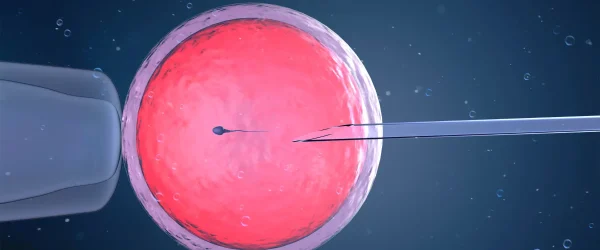
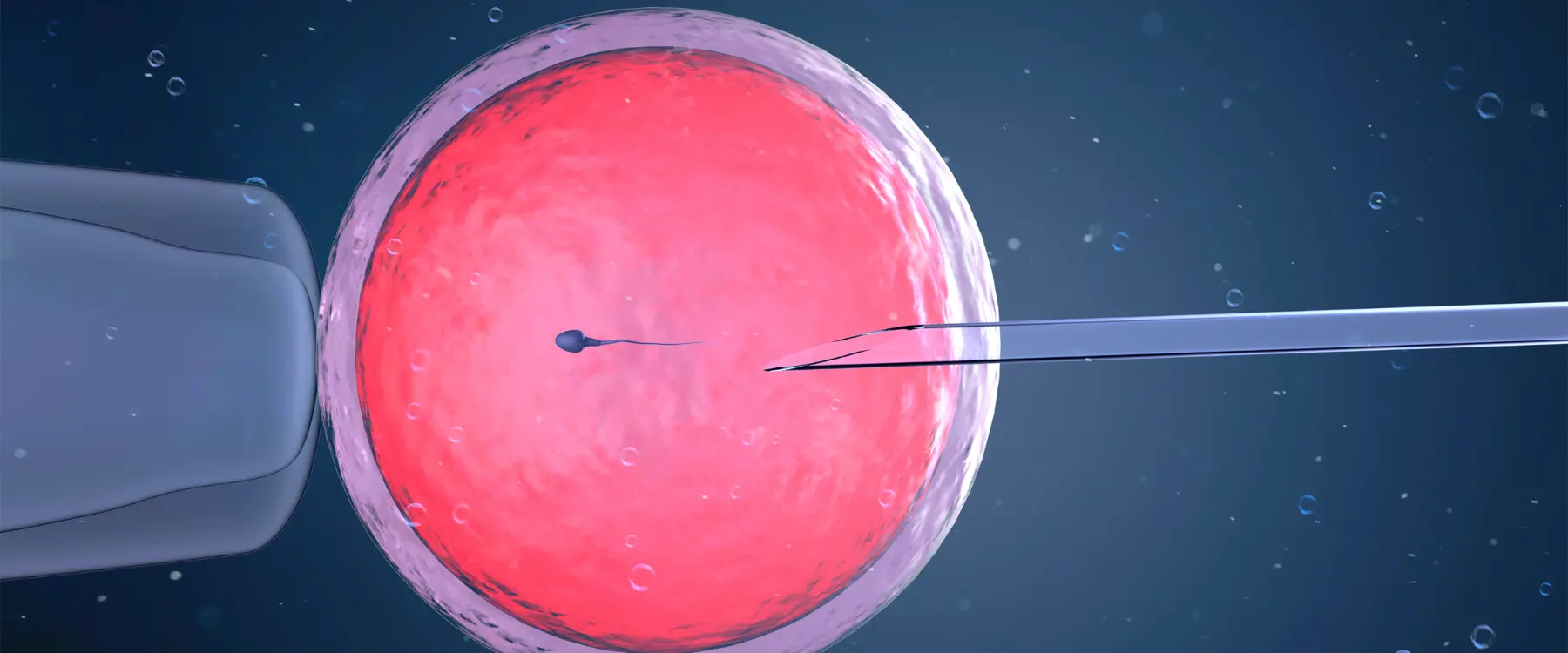
Cells are removed from the trophoectoderm, stored in tubes and frozen prior to analysis. At the same time, the embryos are vitrified until the result of the analysis is obtained and they can be selected for transfer.
Genetic analysis:
Biopsied cells are analysed for chromosomal and/or genetic abnormalities.
Embryo transfer:
Embryos without abnormalities are selected and transferred into the woman’s uterus.
Risks and Benefits of Embryo Biopsy
Risks of embryo biopsy
Embryo biopsy is an invasive procedure that involves the removal of one or more cells from the embryo.
It is a routinely and safely employed technique that, like all assisted reproductive techniques, carries a minimal associated risk of impairing the viability and survival of the embryo.
Advantages and benefits of performing embryo biopsy
Increased Success Rate
Selection of genetically normal embryos increases the chances of success of IVF process. We have more information about the embryos, by knowing their optimal genetics, the prognosis is more favourable.
Reduced Risk of Genetic Disease
By avoiding the transfer of embryos with genetic abnormalities, the risk of genetic diseases in the newborn is reduced.
Frequently Asked Questions about Embryo Biopsy
Is Embryo Biopsy painful?
Dr. Beatriz Lozano answers:
The embryo biopsy of a PGT is performed on the embryos before implantation, so it does not involve pain or discomfort to third parties as could occur in the case of a biopsy during pregnancy.
Does embryo biopsy increase the chances of success in IVF?
Dr. Beatriz Lozano answers:
Yes. This is because we have more embryonic information, we select genetically healthy embryos, so the success rate in the treatments could be increased.
How long does it take for an embryo to implant?
Dr. Beatriz Lozano answers:
In this case, the transfer of a biopsied embryo from one that has not been biopsied, the time is the same. After an embryo transfer, an embryo usually takes 5 to 6 days to implant in the lining of the uterus.
This period is crucial for the success of the pregnancy and is referred to in Assisted Reproduction as Beta-Wait.
How long do the results of the embryo biopsy take?
Dr. Beatriz Lozano answers:
Once the biopsy is performed, the extracted cells are sent to the genetics laboratory for analysis. This process can take between 10 to 15 days.
After the analysis, the results are communicated to the medical team, who evaluate it and inform the patient before determining the next steps in the treatment.
What happens if a genetic abnormality is detected in the embryo?
Dr. Beatriz Lozano answers:
In the event that one or more embryos present anomalies, whether chromosomal or genetic, they will be communicated by the medical team to the patient, as well as genetic counselling by the specialist.
Embryo biopsy at Vida Fertility
Embryo biopsy is a valuable tool in assisted reproduction treatments that allows the selection of the best embryos for transfer. Although it carries certain risks, its benefits in terms of pregnancy success are significant.
If you are considering this procedure, at our Fertility Clinic in Spain Vida Fertility Madrid and Alicante we are available to answer all your questions and guide you every step of the way to motherhood.
Book an appointment
You may also like


Last news


Testimonials













Where can I find Vida Fertility centres in Spain?

📍 C/ Palermo 15, Hortaleza, 28043 Madrid
📞 Phone number: +34 919 29 83 23
🕒 Opening hours: Monday to Friday from 8am to 7pm
📍 Av. Óscar Esplá 1, Bajo, 03008 Alicante
📞 Phone number: +34 919 29 83 23
🕒 Opening hours: Monday to Friday from 8am to 7pm
ℹ️ The information published on Vida Fertility is reviewed by our fertility specialists and medical team, following up-to-date scientific criteria and evidence-based medicine. Our team is a member at scientific societies such as SEF, ESHRE and SEGO.