
 Español
  Français
  Deutsch
  Italiano
  Nederlands
  International
Pregnancy through the ROPA Method: Lucia and Elena’s story

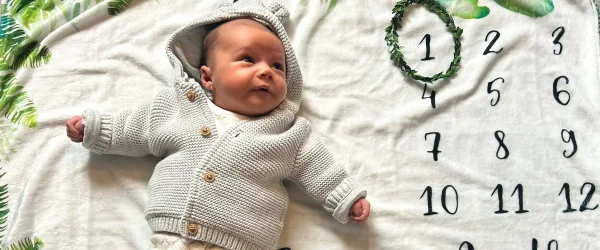
Today, we’ll know about the pregnancy through the ROPA Method of Lucia and Elena, a lovely couple of 34 and 35 years old. They’ve decided to make their dream of becoming mothers come true thanks to an assisted reproductive treatment only available for couples of women known as the ROPA Method in Spain. After looking at several fertility centres in Madrid, they chose Vida Fertility, 100% confident that they’ve found the right place to start their shared motherhood.

What is the shared motherhood?
The ROPA Method, also known as Reception of the Oocyte’s PArtner, is a valuable option for couples of women where both wish to play an active role in their fertility journey. In this process, after fertilising the eggs of one of the mothers with sperm from an anonymous donor, one of the embryos is transferred into the uterus of the other mother, who will the one pregnant who will then give birth to the baby.
This fertility treatment at Vida Fertility is personalised, with a detailed assessment of each patient and an accurate diagnosis that will guide and support the choice of the most appropriate treatment for each couple.
The ROPA Method Experience
Since their first contact with the clinic, Lucia and Elena’s experience with the ROPA Method at Vida Fertility stood out for its close and professional care. Every step of the process was marked by the full dedication of the team, led by Dr. Katharina Spies. Dr. Spies’s clear an detailed explanations were key and gave them the trust they needed all along the process.
In this journey, they faced challenging moments, especially the negative pregnancy test, which made them realised the complexity of the process and its psychological impact.
“At Vida, they always had the empathy to accompany us in those difficult moments, and they never failed in giving us encouragement and confidence,” remember Lucia and Elena.


The shared motherhood best moments
The best part of the treatment came with the exciting news of the positive pregnancy test along with the magical sound of the baby’s heartbeat during the first ultrasound. In this instant, all the previous challenges faded away, giving meaning and value to every step of the journey they’ve been though.
The commitment of Vida Fertility’s team went beyond any professional relationship; they shared with us the disappointments and celebrated with us our joys as part of a family. Although they had strong support at home, the understanding of the clinic was priceless.
ROPA Method at Vida Fertility: this is the letter we’ve received
From minute one, all the team and the whole experience itself stood out for the close and professional care we’ve received. We felt supported by a great team during the whole process, especially by Dr. Spies with the confidence she transmitted us through the clarity of her explanations.
The worst moments, without a doubt, have been the negative results, which make you realise the complexity of the process and the number of factors that can influence it, and how hard it is psychologically.
At Vida, they always had the empathy to accompany us in those difficult moments, and they never let us down during those difficult moments, and they never failed in giving us encouragement and confidence.
The best moment was the morning when they gave us the positive beta wait , together with the moment of the first ultrasound with the sound of the baby’s heartbeat, at that moment everything we had suffered before faded away and made it all worthwhile and meaningful.

Would you recommend Vida Fertility to other couples who’d like to do the ROPA Method?
We encourage couples of women like us to live this beautiful experience of sharing motherhood.
We recommend visiting several clinics and then choose the one that you trust the most, as we did with Vida, where we personally felt a more personal and humane approach and care.
Being able to experience this shared motherhood has been a gift for the two of us.
THANK YOU to this great team for everything!
Lucia and Elena encourage other couples to live this beautiful experience of shared motherhood. Their advice is clear: visit several clinics and choose the one that inspires the most trust and personal connection. For them, Vida Fertility was more than a clinic and gave them a priceless gift: living a shared motherhood.
FAQS about the ROPA Method
How long does the entire ROPA Method process take?
Dr. Spies responds:
The duration can be adjusted depending on how each patient responds to treatment and the clinic’s particular protocols.
The ROPA Method treatment at Vida Fertility usually lasts four to six weeks, beginning with the synchronisation of the two mothers and culminating in the embryo transfer.
What are the requirements for undergoing the ROPA method?
Dr. Spies responds:
To begin the ROPA method, the couple must meet certain basic requirements:
- Be of legal age
- Have full capacity to act voluntarily
- Give informed consent
- Not suffer from serious illnesses that could compromise the health of the mother or the future baby.
In addition, it is essential that the woman who will provide the eggs has an adequate ovarian reserve, as this will determine the possibility of obtaining a sufficient number of good quality oocytes. If the ovarian reserve is low, the medical team may recommend alternatives or adjust the treatment to optimise results.
Another key aspect is the use of anonymous donor semen, as established by Spanish law. The selection of the donor is always carried out by the medical team, based on criteria of genetic, phenotypic and immunological compatibility, with the aim of guaranteeing the safety of the treatment and the health of the future baby.
As for the legal framework, Spanish legislation recognises the right to motherhood for all women, regardless of their marital status or sexual orientation. Since 2007, dual motherhood can be registered in the Civil Registry when the couple is married, and Law 4/2023 extends this recognition to unmarried couples as well, placing them on an equal footing with heterosexual couples.
Embryos generated in ROPA treatment legally belong to both women, so they can be transferred to either of them in subsequent cycles, unless there is a specific medical indication that limits this.
¿Qué pruebas médicas se deben hacer antes de comenzar?
Dr. Spies responds:
Before starting treatment with the ROPA Method (Reception of Oocytes from Partner) at our fertility clinic in Spain, a series of medical tests must be performed on both mothers. These tests confirm that both the biological mother (who will provide the eggs) and the surrogate mother (who will carry the pregnancy) have the optimal conditions for the treatment to be successful. The most important tests include assessment of ovarian reserve, hormonal and serological analyses, genetic matching with the anonymous sperm donor and evaluation of endometrial receptivity.
| Egg donor mom (will provide the eggs) | Carrying mom (will carry the pregnancy) |
|---|---|
| Ovarian reserve: Anti-Müllerian hormone (AMH) and baseline ultrasound. | Transvaginal ultrasound. |
| Serologies (HIV, hepatitis B and C, syphilis, etc.). | Mock embryo transfer. |
| Genetic matching with the anonymous sperm donor. | General blood test: Includes CBC, biochemistry, coagulation, as well as parameters like vitamin D and homocysteine. *Test may vary depending on your case. |
| Karyotype to rule out chromosomal alterations. | Hormonal panel: with special focus on thyroid hormones and others depending on your clinical history. |
| Ovarian stimulation and egg retrieval. | Infectious disease screening (including Rubella, Toxoplasma, CMV). |
| Mammogram (if over 40 years old). | Mammogram (if over 40 years old). |
| — | Pap smear. |
Is there any difference between ROPA and IVF?
Dr. Spies responds:
The main difference is that In Vitro Fertilisation (IVF) is a commonly used assisted reproduction technique, while the ROPA method (Reception of Oocytes from Partner) is a variant designed specifically for female couples who wish to share motherhood.
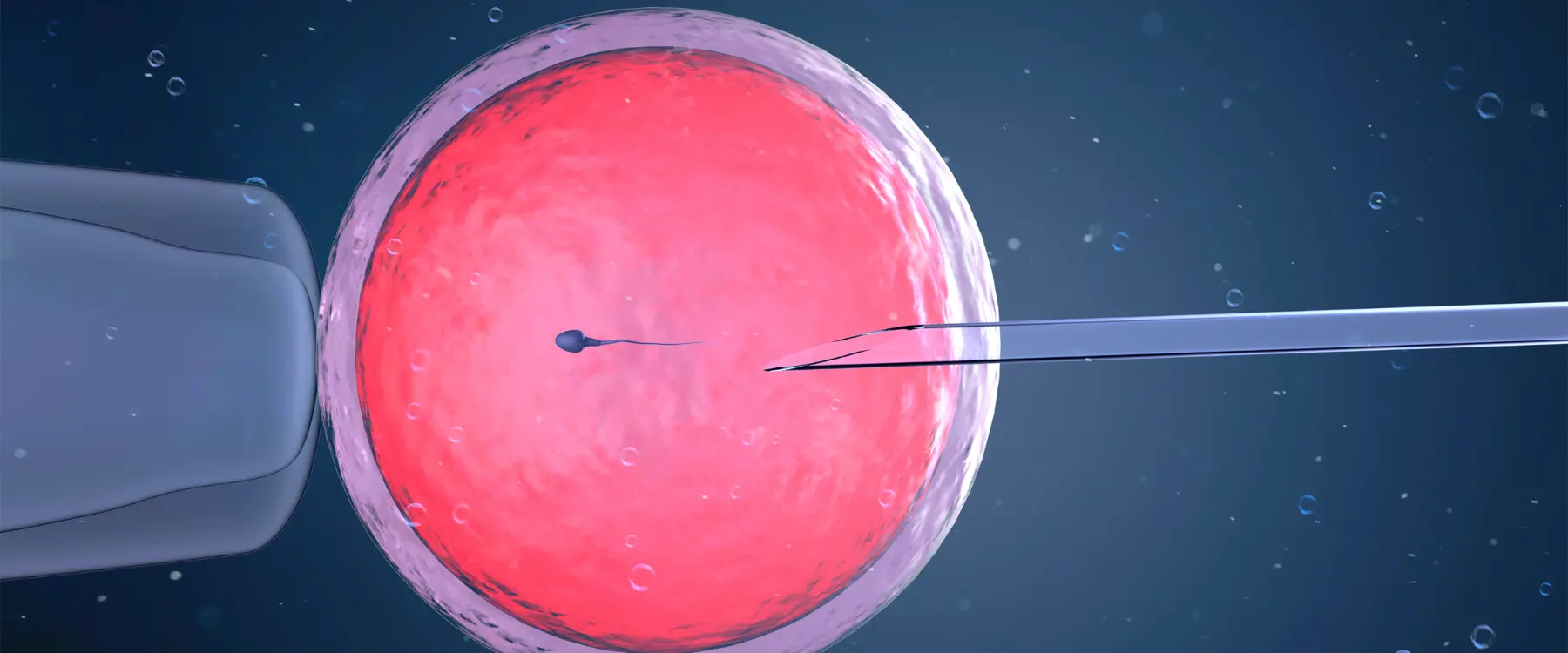
In this treatment, one of the women provides the eggs, which are fertilised in the laboratory with donor sperm, and the resulting embryo is transferred to the uterus of the other woman, who will carry the pregnancy. In this way, both women actively participate in the reproductive process.
Is the ROPA method better than other techniques (insemination, IVF with a donor)?
Dr Spies responds:
There is no ‘best’ treatment, only the most appropriate treatment for each case.
- Artificial insemination is less invasive, but has a lower success rate.
- IVF with egg donation allows pregnancy if there is no good ovarian reserve.
- The ROPA method is ideal for female couples who both want to participate actively: one with her eggs and the other with the pregnancy.
At Vida Fertility, we study each case to offer the most effective and personalised alternative.
Is there any difference between ROPA and IVF?
Dr. Spies responds:
In that case, we evaluate alternatives: from using the other woman’s eggs to considering an external egg donation. We always seek to keep the shared motherhood project within the family as much as possible.
How does the ROPA method differ from artificial insemination?
Dr Spies replies:
Artificial insemination only allows for the participation of one biological mother. In contrast, the ROPA method involves both: one as the genetic mother and the other as the gestational mother, creating a unique bond from the outset.
Other articles of your interest:
- Testimonials and success rates at Vida Fertility
- Pregnant through artificial insemination: Raquel’s testimonial
- Mariana’s secondary infertility: testimonial of what it’s like to undergo IVF with PGT-A
- Extra Embryos: options for non-transferred Embryos in Fertility Clinics
- Egg Freezing: Maximum Age for freezing eggs and Laboratory Procedure
- Hysterosalpingography: The diagnostic test to understand your fertility
- This is how STDs can impact fertility and pregnancy
- How to improve endometrial thickness before IVF
- Best clinic for the ROPA method in Spain
Ask for a consultation
You may also like


Last news


Testimonials




ℹ️ The information published on Vida Fertility is reviewed by our fertility specialists and medical team, following up-to-date scientific criteria and evidence-based medicine. Our team is a member at scientific societies such as SEF, ESHRE and SEGO.