
 Español
  Français
  Deutsch
  Italiano
  Nederlands
  International
The perfect phenotypic and immunological matching between the egg donor and the egg recipient

The selection of the egg donor in an anonymus egg donation treatment in Spain is a meticulous process that combines several methods to ensure the best match with the recipient.
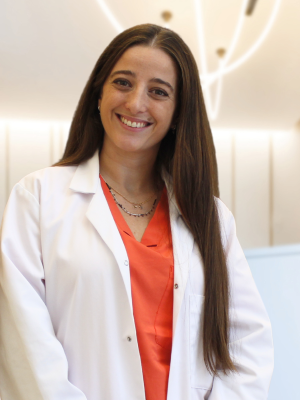
We spoke to Dr.Alejandra García-Villalba about phenotypic and immunological matching to choose the most suitable donor in an IVF egg donation treatment.

Phenotypic and immunological matching
In IVF treatments with egg donation in Spain, the medical team is responsible for selecting the most suitable egg donor for the recipient, based on the law that demands a high phenotypic and immunological similarity between donor and recipient, including aspects such as skin colour, eyes, hair, height, and complexion.
Because the donation is anonymous, the recipient does not directly choose her donor, but a high physical and immunological match is guaranteed.
Phenotypic matching
Phenotypic matching considers visible characteristics such as skin colour, eye colour.
It focuses on ensuring similarities in physical characteristics by looking for the closest possible resemblance between the egg donor and the egg recipient.
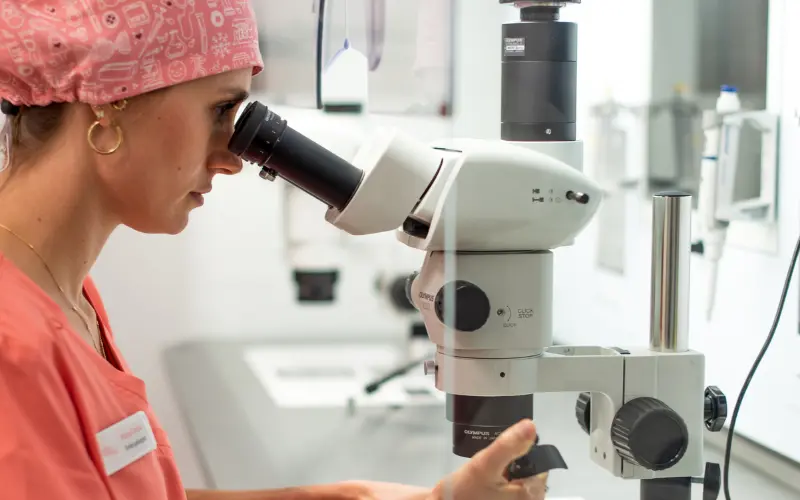
Immunological matching
Immunological matching evaluates compatibilities that could influence the success of the pregnancy.
It focuses on HLA typing and KIR receptor analysis, which is crucial to minimise risks of immune rejection and ensure an environment conducive to pregnancy.
What is genetic matching?
In assisted reproduction clinics such as Vida Fertility, the genetic compatibility between the egg donor and the sperm (partner of the recipient or a sperm donor) is evaluated.
The genetic compatibility test or genetic matching, determines if both carry genetic mutations that could result in hereditary diseases in the child.

What happens if there is no genetic compatibility?
If there is no genetic compatibility, another donor or sperm donor is chosen who is genetically compatible, guaranteeing the health of the future baby.
The relationship between phenotypic and immunological matching and biometric facial matching
This process searches for a donor who facially resembles the recipient using biometric technology.
Through photographs, distances between specific facial points are measured to assess resemblance. This innovation offers patients peace of mind by increasing the physical similarity between donor and recipient.
Related articles about phenotypic immunological matching :
Ask for a consultation
You may also like


Last news


Testimonials


ℹ️ The information published on Vida Fertility is reviewed by our fertility specialists and medical team, following up-to-date scientific criteria and evidence-based medicine. Our team is a member at scientific societies such as SEF, ESHRE and SEGO.