
 Español
  Français
  Deutsch
  Italiano
  Nederlands
  International
Anonymous donation in Spain: Legal and emotional doubts with Dr. Marta Zermiani

Every day at Vida Fertility we receive women and couples from different countries who are looking to start a family.
Many of our patients arrive with the same question: Is anonymous donation legal in Spain and, above all, how will it affect me as a mother or father in the future?
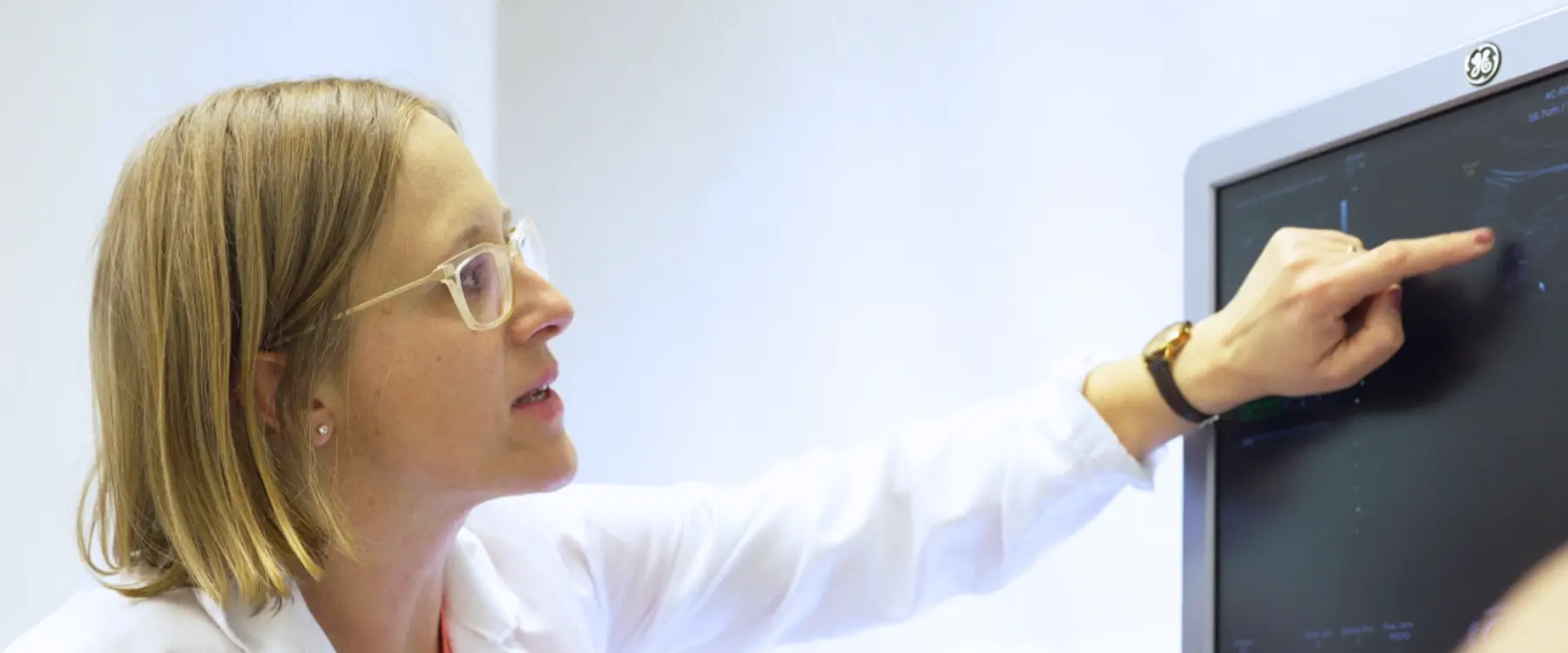
We talk to Dr. Marta Zermiani, specialist in donor selection at Vida Fertility about anonymous donation in Spain and we solve the doubts of our patients in a clear way and based on what the Spanish law of assisted human reproduction says.


- What does the law say about anonymous donation in Spain?
- Anonymous donation in Spain: How are donors selected in Spain?
- What happens in other countries? Key differences in donation
- Frequently asked questions about anonymous donation in Spain
- Our fertility treatments
- Where can I find Vida Fertility centres in Spain?
What does the law say about anonymous donation in Spain?
Spain is one of the countries with the clearest legislation on assisted reproduction. Law 14/2006 on assisted human reproduction techniques states that:
‘Gamete donation is anonymous. The identity of the donor cannot be revealed either to the recipient or to the future child, except in exceptional situations related to health’.
This means that, legally, neither the recipient nor the child can know the identity of the donor. Nor can the donor request information about the children born from her donation.
Anonymous donation in Spain: Spanish law on egg donation
Law 14/2006 on Assisted Human Reproduction Techniques specifically regulates how egg donations should be carried out in Spain. There are two key aspects:
- Anonymity guaranteed by law
Spanish law establishes that the identity of the donor must remain confidential at all times. Neither the recipient nor the future child can access this information, nor can donors know personal details of the recipient family.
This principle protects the privacy and peace of mind of all parties involved.
- Altruistic, non-profit donation
Egg donation cannot be remunerated as if it were a job. Spanish law defines this gesture as an act of solidarity, and allows only symbolic financial compensation for the physical discomfort, travel and time invested.
Anonymous donation in Spain: How are donors selected in Spain?
In Spain, the donor selection process is regulated by clear and strict regulations, which guarantees that all donations are carried out under very well-defined medical, ethical and legal criteria.
At Vida Fertility, we carry out a thorough selection process that meets the highest standards of quality and safety.
Requirements to be an egg donor
Although the law allows egg donation between the ages of 18 and 35, the average age in our clinic is usually 25 years old.
All potential donors must pass a series of medical and psychological evaluations, including:
- Interviews with our psychology team. This allows us to ensure that you have a good understanding of the process and are emotionally prepared.
- Complete gynaecological studies, including ultrasound examination, vaginal cultures and cytology.
- Blood tests and serology, along with genetic testing such as karyotyping and carrier testing to rule out hereditary diseases.
- Body mass index (BMI) within recommended ranges to minimise risks during ovarian stimulation and ovarian puncture.
- Personal and family history is also assessed to rule out genetically based diseases.
It should be noted that not all candidates successfully pass this process. At Vida Fertility we apply a rigorous selection protocol to guarantee the health of our patients and their future babies.

What happens in other countries? Key differences in donation
Many of our German, French, Italian or British patients travel to Spain precisely because in their countries the donation is not anonymous or is very limited.
Gamete donation in Germany
- Egg donation is still prohibited.
- These limitations in assisted reproduction in Germany are generally based on ethical, cultural or religious considerations.
- Many couples seek reproductive alternatives in Spain.
Gamete donation in France
- Since the implementation of the regulation on September 1st 2022, all people who donate sperm or eggs must give their consent so that, in the future, their identity can be revealed to children born as a result of such donation.
- According to the French Ministry of Health, on March 31st 2025, a child who reaches legal age may request information on the identity of his or her donor.
Gamete donation in Italy
- In Italy, access to assisted reproduction techniques is allowed exclusively to adult heterosexual couples who are having difficulty conceiving, provided that they are married or cohabiting and of reproductive age.
- It is a prerequisite that the couple’s sterility or infertility has been previously certified by a medical professional.
- Single women who wish to become mothers of their own choice, as well as same-sex couples, are not allowed to have access to these treatments in Italy.
- Reproductive procedures are not recommended for people over the age of 50, nor is fertilisation authorised after the death of the father (post-mortem fertilisation).
Gamete donation in the UK
- With the change in the UK assisted reproduction legislation in 2005, gamete donors are no longer anonymous.
- Many egg and sperm donors choose not to participate in these procedures. This situation has led to a considerable decrease in the availability of donors in the UK.
- Many British women travel to other countries to access these egg donation treatments.
Gamete donation and anonymity in each country
| European Regulations on Assisted Reproduction | Treatment for Single Women and Ropa | Sperm Donation | Egg Donation | Donor Anonymity | Pre-implantation Genetic Diagnosis (PGD) | Embryo Adoption | Post-Mortem Fertilization | Sex Selection |
|---|---|---|---|---|---|---|---|---|
| France | Yes | Yes | Yes | No | Yes | Yes | No | No |
| Germany | No | Yes | No | No | No | Yes | No | No |
| Italy | No | Yes | Yes | Yes | Yes | No | No | No |
| United Kingdom | Yes | Yes | Yes | Yes | Yes | No | No | Yes* |
| Ireland | Yes | Yes | Yes | No | Yes | Yes | No | No |
| Netherlands | Yes | Yes | Yes | No | Yes | Yes | No | No |
* Only in cases of sex-linked hereditary diseases.
Frequently asked questions about anonymous donation in Spain
¿Es legal venir a España a hacer un tratamiento con donante anónima?
Dr. Marta Zermiani answers:
Yes. There are no legal restrictions for international patients who wish to receive an egg donation treatment in Spain under the anonymity model.
Spain is one of the most requested countries by:
- Single women who wish to become mothers by choice
- Heterosexual couples
- Female couples
- People with complex genetic history
Will I have legal problems returning to my country??
Dr. Marta Zermiani answers:
In general, you should have no legal problems returning home.
The treatment is considered valid in the country of origin as long as it has been carried out legally in Spain. For very specific doubts it is advisable to:
- Consult a family lawyer if you have doubts.
- Get information from your embassy or consulate
- Have the support of a clinic such as Vida Fertility, with international legal experience.
How to tell your children and family that you were born through egg donation
Dr. Marta Zermiani answers:
The most important thing is honesty, clarity, adapting to the child’s development and always keeping a close, natural and taboo-free communication open.
You can have the option of introducing stories to tell about the egg donation or watching films about assisted reproduction.
You can explain that you wanted it very much, that you had difficulties getting pregnant and that, thanks to the help of a donor, your baby was able to come into your life, filling it with happiness. You should make sure to always leave the door open to future questions and reinforce that it is normal to be curious.
Also, avoid conveying that this is a secret or taboo subject. Your child has the right to decide how and with whom to share their story. If they show interest in meeting the donor, you should not take it as something personal or painful, but understand that it is born out of a natural curiosity about their origins. Remember that in Spain, donation is completely anonymous and altruistic.
Anonymous donation in Spain: Why choose Spain for assisted reproduction treatment?
Dr. Marta Zermiani answers:
At Vida Fertility we not only advocate in terms of what the Spanish law on assisted human reproduction offers, but also:
- We have our own donors which allows us to do fresh cycles without having to freeze eggs.
- We offer very high success rates
- Our prices are more affordable than in many countries
- We guarantee medical and legal security
- We accompany the patient emotionally from day one.
Ask for a consultation. Anonymous donation in Spain
You may also like


Last news about anonymous donation in Spain


Testimonials




Our fertility treatments






Where can I find Vida Fertility centres in Spain?

📍 C/ Palermo 15, Hortaleza, 28043 Madrid
📞 Phone number: +34 919 29 83 23
🕒 Opening hours: Monday to Friday from 8am to 7pm
📍 Av. Óscar Esplá 1, Bajo, 03008 Alicante
📞 Phone number: +34 919 29 83 23
🕒 Opening hours: Monday to Friday from 8am to 7pm
ℹ️ The information published on Vida Fertility is reviewed by our fertility specialists and medical team, following up-to-date scientific criteria and evidence-based medicine. Our team is a member at scientific societies such as SEF, ESHRE and SEGO.