
 Español
 Français
 Deutsch
 Italiano
 Nederlands
 International

Julie Debever’s journey through assisted reproduction: from artificial insemination to IVF
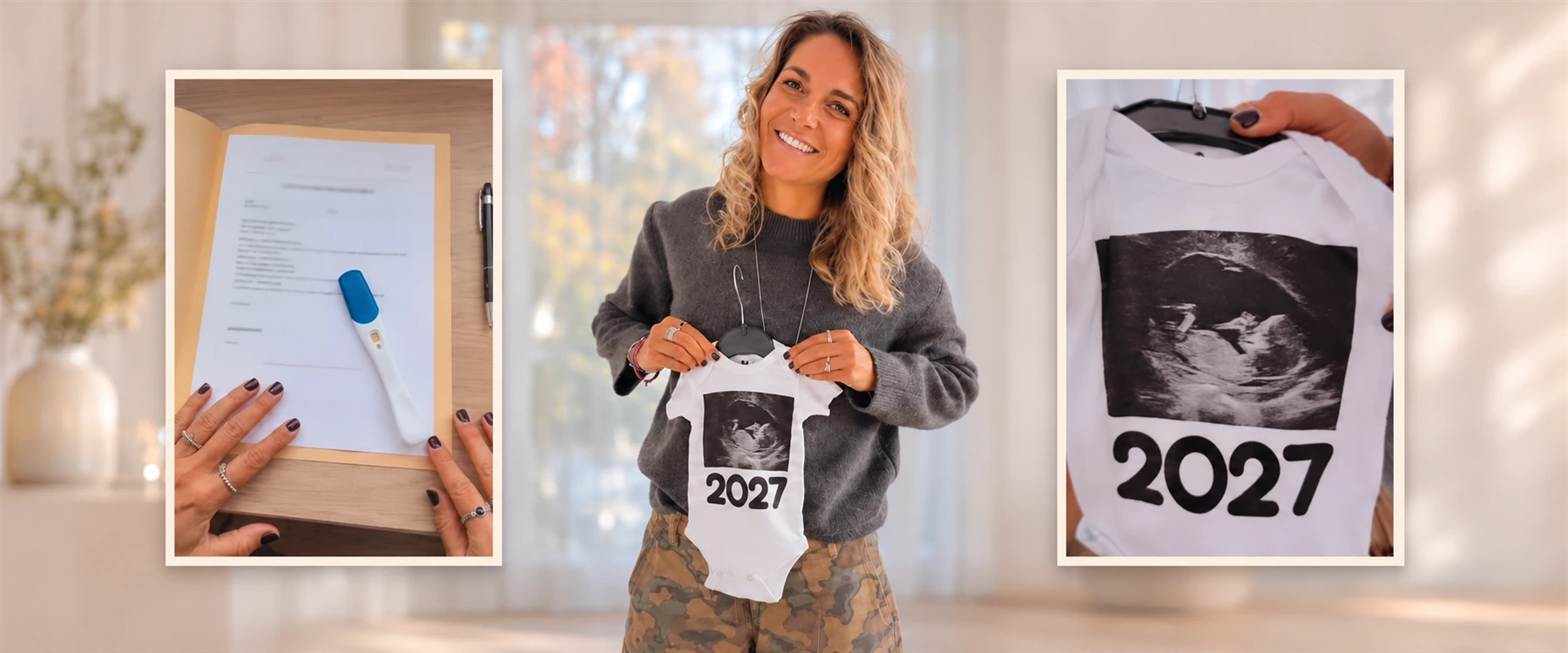
“My best signing… See you in May 2027.” With these words, Julie Debever announced her pregnancy on Instagram.
The former French international, also known for her appearance on Koh-Lanta, reflects on the shirts she has worn throughout her career before talking about the one she is about to put on.
In her post, she looks back on the doubts and emotions that have accompanied her journey to motherhood and thanks the team at Vida Fertility.
We spoke to her doctor, the medical director of Vida Fertility Madrid, Dr Katharina Spies, about the full protocol to be followed for a course of IVF with a sperm donor.


From artificial insemination to IVF with donor sperm
At the age of 38, Julie embarked on a course of assisted reproduction (AR) on her own. In April, she underwent her first insemination with donor sperm at Vida Fertility. However, the pregnancy test came back negative.
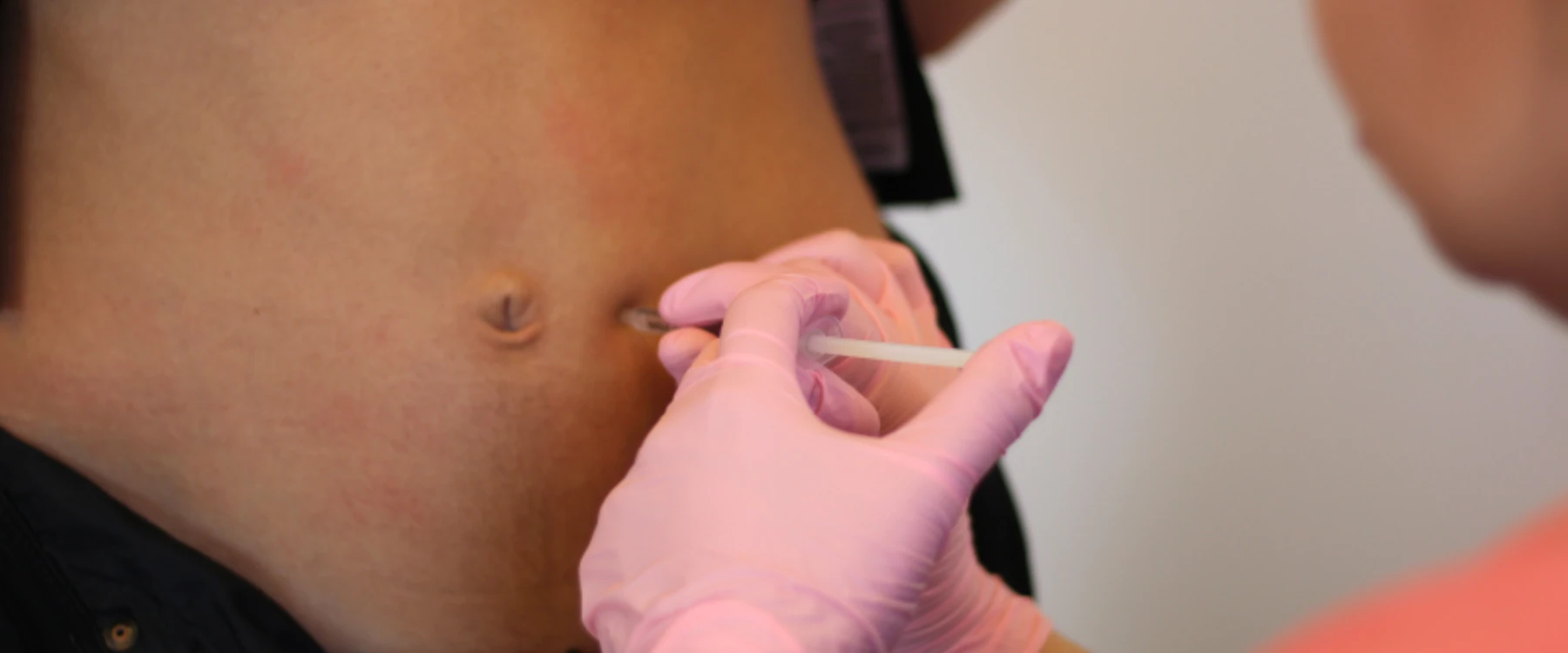
Intrauterine insemination involves introducing sperm prepared in the laboratory directly into the womb around the time of ovulation. If fertilisation occurs, it takes place in a fallopian tube. Before recommending this technique, the medical team assesses, amongst other things, whether at least one fallopian tube is patent, i.e. whether it allows the sperm and the egg to meet.
Following an initial negative result, the follow-up consultation provides an opportunity to review the cycle and discuss the next steps. Depending on the patient’s age, the results of the fertility assessment and her preferences, various options may be considered. In Julie’s case, the next step was in vitro fertilisation with donor sperm.
Moving on to IVF and the pregnancy announcement
In vitro fertilisation (IVF) consists of several stages.
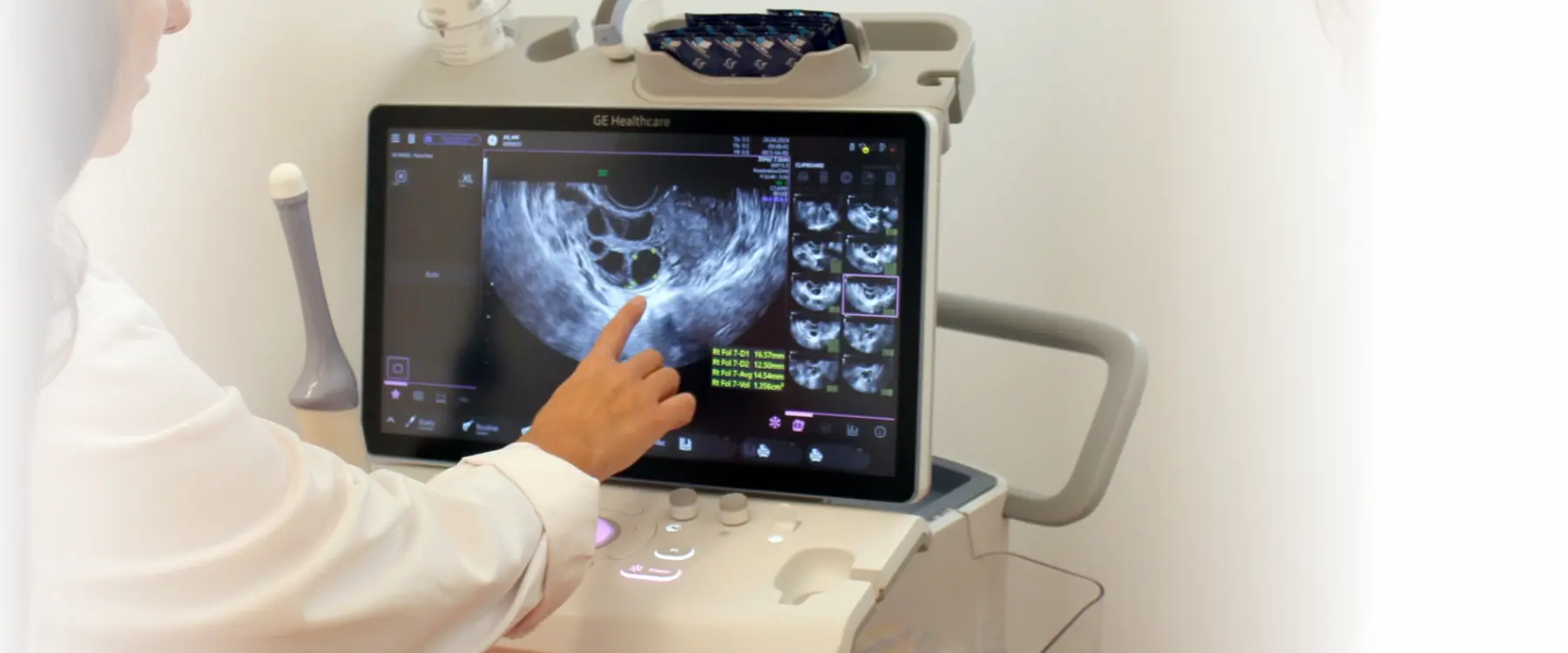
- Ovarian stimulation allows several follicles to develop. The team monitors their progress using ultrasound scans and, depending on the protocol, blood tests.
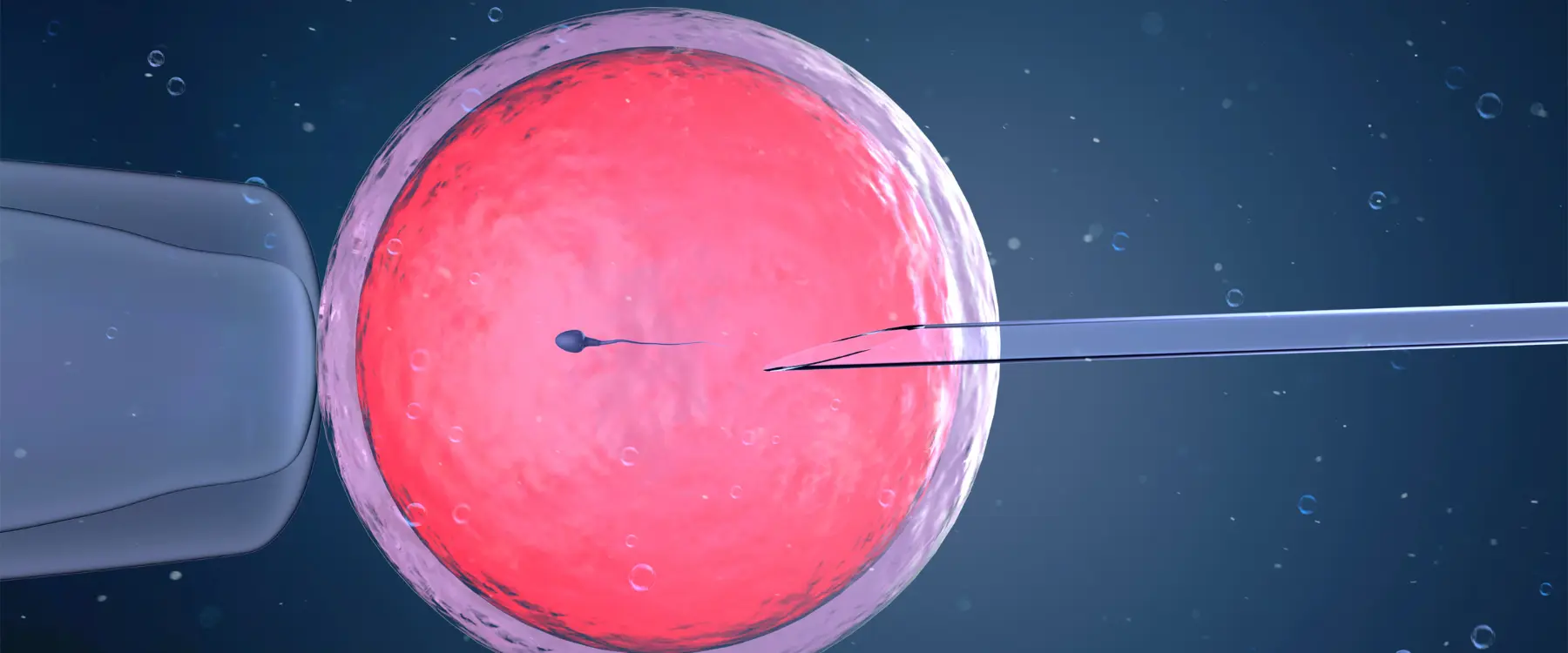
- The eggs are then retrieved via a puncture and fertilised in the laboratory.
- The team monitors the development of the resulting embryos before proceeding, when the conditions are right, with a transfer to the womb. Discover the stages of IVF at Vida Fertility
- Following the embryo transfer, Julie’s blood test came back positive.
It was this pregnancy that she chose to announce using the vocabulary she is familiar with: that of football clubs, shirts and signings. Beyond the playful reference, she also recounts what the medical timetable barely reflects about a patient’s experience: the beta wait for the result, the doubts following a first attempt and the emotions that accompany each stage.
Artificial Insemination vs IVF: Which is best for you?
Although both treatments aim to help couples and single women fulfil their dream of becoming parents, each has different indications, advantages, disadvantages and success rates.
Below, we look at a table showing the differences between artificial insemination and IVF at Vida Fertility:
| Treatment | Artificial Insemination (AI) | In Vitro Fertilisation (IVF) |
|---|---|---|
| Procedure | Semen is introduced directly into the uterus. | The egg is fertilised in the laboratory and subsequently transferred. |
| Fertilisation | It takes place inside the woman’s fallopian tube. | Fertilisation takes place outside the woman’s body in an IVF laboratory. |
| Complexity | A simple and less invasive technique. | A more complex technique requiring a surgical procedure for egg retrieval, followed by embryo transfer. |
| Who it is recommended for | Women under 35 without fallopian tube abnormalities, endometriosis or sperm-related problems. Mild or unexplained infertility. | Severe infertility, uterine problems, male-factor infertility, low ovarian reserve or advanced maternal age. |
| Success rates | Between 15–20% per cycle, depending on age and the cause of infertility. | Between 50–60%, depending on age and embryo quality. |
| Cost | More affordable. | A more expensive treatment. |
| Number of attempts | Generally recommended for up to 2–3 cycles. | Fewer attempts are usually required, with a higher success rate in the first cycle. |
| Treatment duration | Approximately 15 days. | Between 3 and 5 weeks, including ovarian stimulation through to embryo transfer. |
Where do you start when considering becoming a single mum?
An initial consultation gives you the chance to discuss the options for becoming a single mum, your plans, review your medical history and identify the necessary fertility tests.
You can also ask very specific questions: in your situation, what factors would influence the choice between artificial insemination and IVF? Which tests could you have done near your home? When would you need to travel to the clinic?
These answers will help you understand the IVF process and work out how to organise it on a day-to-day basis.
If you’re thinking about starting treatment to become a single mother, you can book an appointment with our team to discuss your situation and the possible first steps.
Ask for a consultation
You may also like


Last news


Testimonials



ℹ️ The information published on Vida Fertility is reviewed by our fertility specialists and medical team, following up-to-date scientific criteria and evidence-based medicine. Our team is a member at scientific societies such as SEF, ESHRE and SEGO.