
 Español
  Français
  Deutsch
  Italiano
  Nederlands
  International
I don’t know if I want to be a mother: what if I freeze my eggs?

Many of our patients choose to egg freezing when they have doubts or don’t know if they want to be mothers.
Talking to someone close to you can answer questions such as: What if I regret not trying later on? What if now is not the right time, but it will be in five years? Do I have to make a decision now?
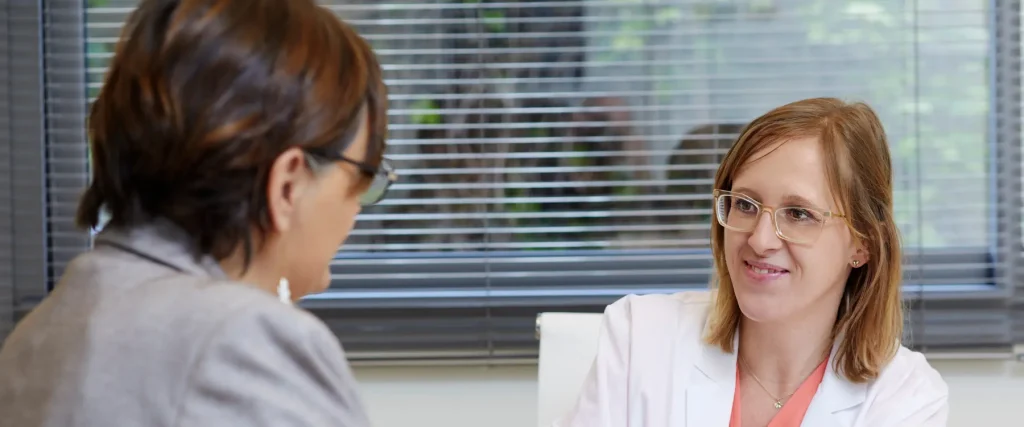
All these doubts are addressed during consultations, which is why today we are talking to Dr. Alejandra García-Villalba, about the factors to consider and the possibility of freezing eggs if you are unsure whether you want to be a mother.


- I don’t know if I want to be a mother
- Egg freezing: everything you need to know
- Factors to consider before freezing eggs
- How to know if I want to have children
- Frequently asked questions we hear in consultation – Structured FAQ data must be created.
- Our fertility treatments
- Where can I find Vida Fertility centres in Spain?
I don’t know if I want to be a mother
Feeling unsure about whether you want to be a mother is much more common than you might think. In fact, more and more young women between the ages of 28 and 38 are expressing this same uncertainty. It is a stage of life marked by priorities that do not always include motherhood:
- Professional development
- Financial stability
- Emotional well-being
- Absence of a partner or a partner who is not on the same page
There is no ‘right’ way to live your life. What does exist is a fertile window that, whether we like it or not, is conditioned by age.
Dr. Alejandra García-Villalba tells us that “after the age of 35, the quality of eggs naturally and progressively declines. And that’s where a powerful tool comes in: egg vitrification, also known as fertility preservation or, more colloquially, egg freezing.
Egg freezing: everything you need to know
What is egg freezing for?
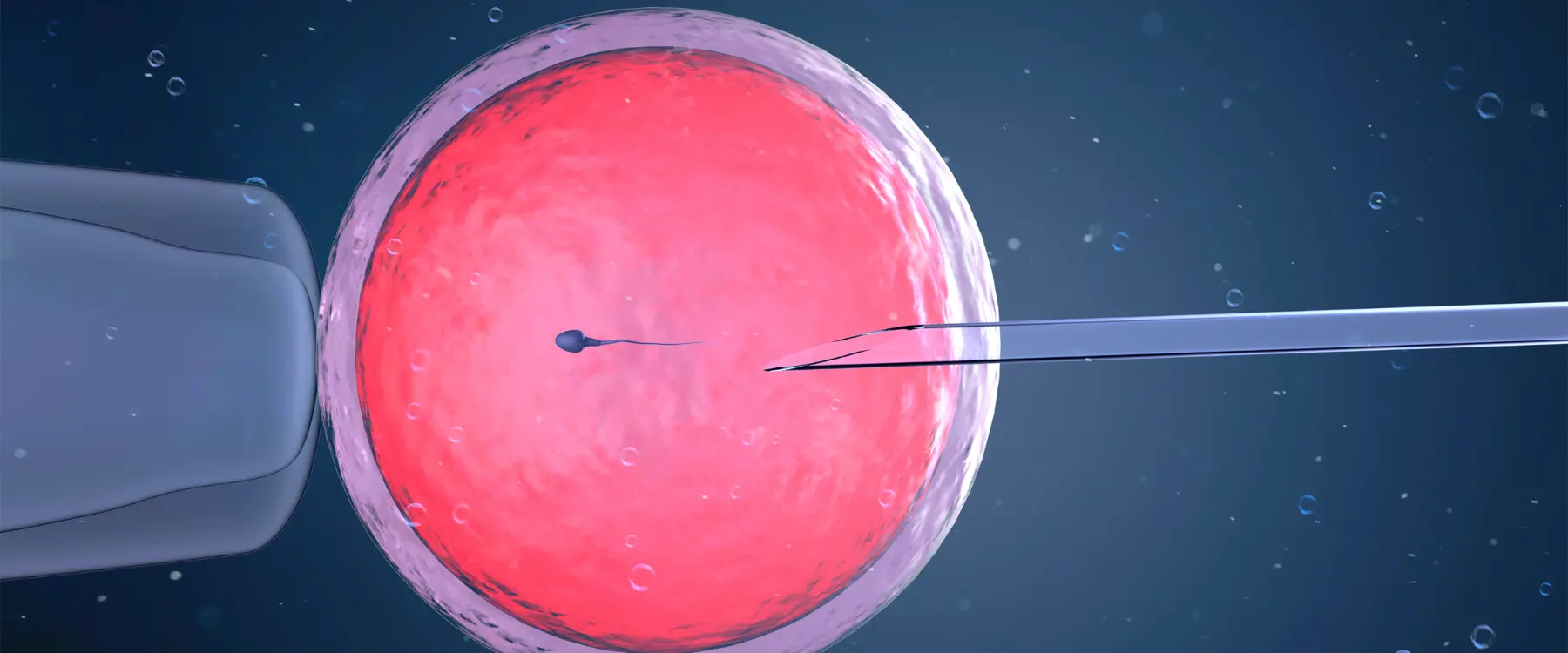
Vitrification is a fertility preservation technique that allows a woman’s eggs to be frozen for when she decides to become a mother.
The eggs are stored in liquid nitrogen at a temperature of -196º C, thus maintaining their characteristics at the time they were cryopreserved.
This advance in reproductive medicine has given women the freedom and opportunity to choose, as it is not always the best time to have a baby.
Delaying motherhood thanks to oocyte vitrification allows them to be preserved with the same quality as when they were cryopreserved.
Who is it recommended for?
This technique is recommended for:
- Preferably before the age of 35.
- Young women who wish to become mothers in the future.
- Endometriosis.
- Polycystic ovary syndrome.
- Medication with an impact on fertility, such as chemotherapy or radiotherapy.
How much does it cost to freeze eggs?
The price of egg freezing or fertility preservation treatment can vary considerably depending on the characteristics and medical history of each patient.
For this reason, if you are interested in learning more about the price of egg vitrification at our fertility clinics in Madrid, our reproduction centre in Alicante or our specialist centre in Donostia, we invite you to request an initial consultation with us. During this consultation, you will receive a detailed analysis of your situation and a quote designed specifically for you.

Freezing eggs through the NHS vs. Private fertility clinic
Through the National Health Service
Fertility preservation is only covered by the public health system for medical reasons. In other words, if a woman is about to begin treatment that may affect her fertility (chemotherapy, ovarian surgery, etc.), she is eligible for egg freezing.
However, if the reasons are personal or work-related (not having a partner, professional plans, desire to delay motherhood), the public system does not currently cover it.
Furthermore, going to the social security system for any fertility treatment means facing long waiting lists.
At a private clinic such as Vida Fertility
Choosing a specialised clinic offers many advantages that are worth considering if you are looking for freedom, speed and quality medical care:
- No waiting lists: you can start your treatment whenever you decide.
- No medical diagnosis required: social preservation is fully accepted.
- Greater convenience: all steps of the process are carried out at the same centre.
- More attentive and personalised care: our team is with you from the very first consultation.
- Cutting-edge technology: we use state-of-the-art AI vitrification techniques, which improve the quality of the preserved eggs.
Age for freezing eggs
Fertility preservation, or the maximum age for freezing eggs, is effective up to approximately 35 years of age, at which point egg quality begins to decline. However, it is possible to preserve eggs beyond this age, depending on individual reproductive health.

Step-by-step guide to freezing eggs
Below, we explain the process of freezing eggs in Spain
First diagnostic visit
We assess your case and review the female fertility tests available or carry out fertility studies to design the most suitable plan for you.
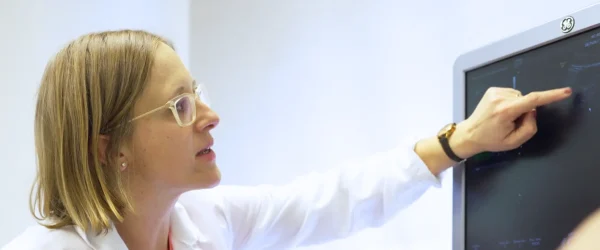
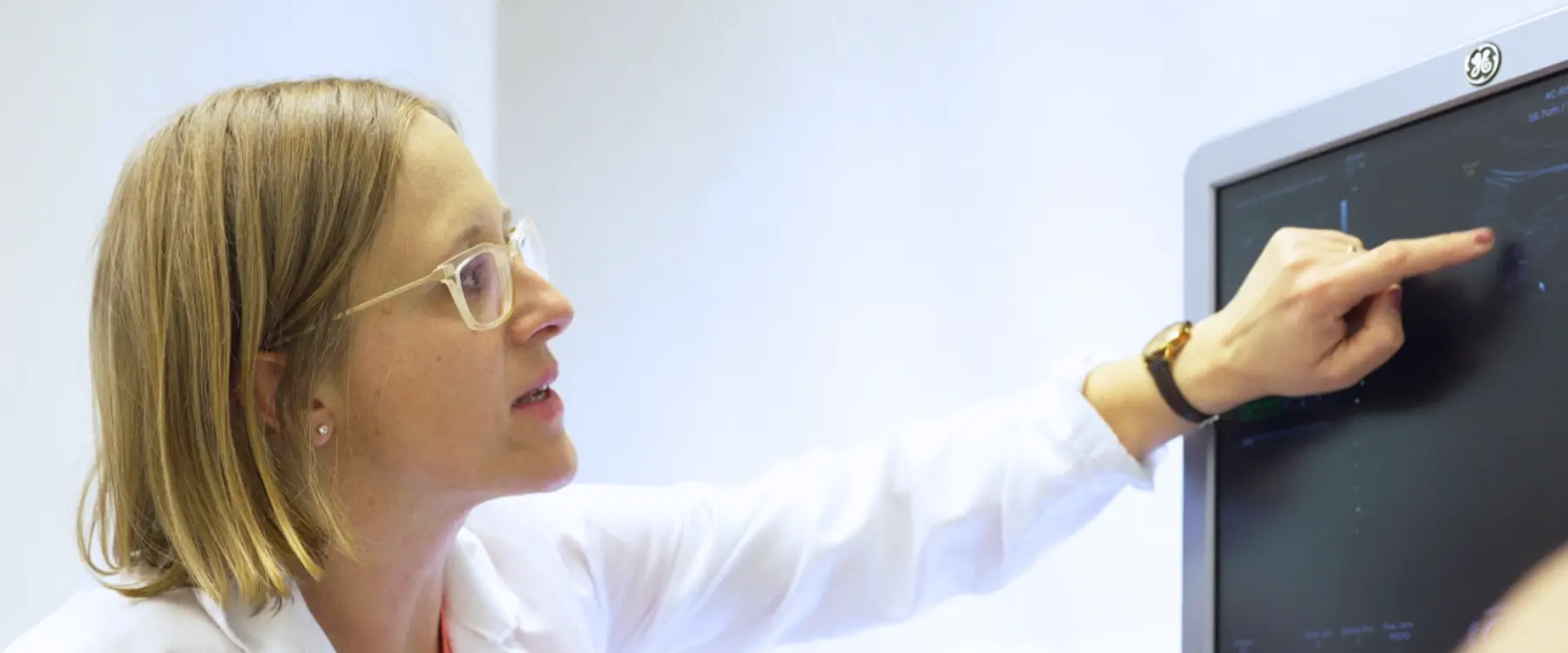
Hormones are administered via subcutaneous injections for 10–14 days to stimulate the growth of several follicles. The response is monitored with ultrasound scans until the ovarian puncture is scheduled.
This is a simple and quick procedure (about 15 minutes) performed under mild sedation to prevent you from feeling any discomfort.
Before vitrification, if the patient wishes, the oocytes are analysed using artificial intelligence technology that generates a predictive report on their development potential.
Oocyte vitrification
Mature eggs are frozen using vitrification, a safe process that preserves their quality.
Storage and future use of oocytes
Oocytes can be stored indefinitely.
When the patient decides to use them, IVF will be necessary. The chances of success will depend on the age at the time of freezing and the number of eggs preserved.
Factors to consider before freezing eggs
Before deciding to freeze your eggs, it is important to consider several medical and personal aspects.
Ovarian reserve study
An ultrasound scan and hormone tests — such as the anti-Müllerian hormone — are used to determine the number of eggs available and guide the most appropriate treatment.
Cost of treatment
It is also important to take into account the financial investment involved in the process (stimulation, puncture, vitrification and annual maintenance, in addition to future IVF treatment).
Physical and emotional process
We must consider the physical and emotional impact of hormonal stimulation. It is essential to define the reason for preservation — whether for personal or medical reasons — and to take care of your general health, maintaining healthy habits and good supplementation beforehand to optimise the result.
In short, proper planning and early medical assessment are key to increasing the chances of success when you decide to use your eggs in the future.
How to know if I want to have children
Although some women have always been clear about their desire to be mothers, many others do not know if they want to be mothers.
It is completely natural for intense and contradictory emotions to arise during this process. On the one hand, there is pressure from those around you: persistent questions from family or friends, especially if you have a stable partner. And on the other hand, the passage of time and the awareness that, after the age of 35, your ovarian reserve decreases and the risks during pregnancy increase.
If you are at this stage of reflection, at Vida Fertility we encourage you to take the basic fertility tests and ask yourself: does the desire to be a mother come from you or is it influenced by social pressure? Are you prepared to reduce your personal space and take on a life-changing transformation? Do you have a support network or financial stability to cope with motherhood? Do you feel emotionally ready?
Remember that freezing your eggs is an option, a way to preserve your fertility as it is today, so that you can decide later with greater freedom and without rushing. If you ever choose to become a mother, that possibility will still be available to you.
Frequently asked questions we hear in consultation – Structured FAQ data must be created.
What if I freeze my eggs and decide not to become a mother?
Dr. Alejandra García-Villalba replies:
Freezing your eggs does not oblige you to use them. If you decide not to become a mother in the future, you can choose between different alternatives: donate them for reproductive purposes, use them for research or request that they be discarded.
It is a personal decision. We will answer any questions you may have during your consultation and you can always take your time to decide later.
Does freezing eggs hurt? Are there any side effects?
Dr. Alejandra García-Villalba replies:
The process involves ovarian stimulation through subcutaneous injections for around 10–14 days. Most women tolerate this well, but you may experience abdominal bloating, mild pelvic discomfort or temporary emotional changes due to the hormones.
Ovarian puncture is performed under sedation, so you will not feel any pain during the procedure. You can resume normal activity within 24–48 hours.
How long can I use them for?
Dr. Alejandra García-Villalba replies:
From a biological point of view, vitrified eggs remain at the age they were at the time of freezing. In other words, if you froze them at the age of 32, they will retain that quality even if you use them at the age of 40.
From a legal point of view, the law on assisted reproduction in Spain allows assisted reproduction treatments to be carried out up to the age of 50, always after individual medical assessment.
Up to what age can fertility be preserved?
Dr. Alejandra García-Villalba replies:
Preservation is most effective when carried out before the age of 35, as egg quality begins to decline progressively after that age. However, it can be done later if the ovarian reserve allows it.
The most important thing is to have a personalised assessment (ovarian reserve, ultrasound scan and hormone analysis) to find out what your actual situation is.
What happens if, after egg vitrification, I do not want to use them?
Dr. Alejandra García-Villalba replies:
If you ultimately decide not to use them, you can choose to:
- Donate them for reproductive purposes
- Donate them for research
- Request their disposal
Each option is regulated by Spanish law and requires your consent. You will always have control over the decision.
What happens to vitrified eggs?
Dr. Alejandra García-Villalba replies:
The eggs are stored in liquid nitrogen tanks at -196 °C under maximum safety conditions. The vitrification technique prevents the formation of ice crystals and preserves cell viability.
They can be stored for years without losing quality. When you decide to use them, it will be necessary to perform In Vitro Fertilisation (IVF) to fertilise them in the laboratory and transfer the embryo to the uterus.





Ask for a consultation
You may also like


Last news


Testimonials





Where can I find Vida Fertility centres in Spain?

📍 C/ Palermo 15, Hortaleza, 28043 Madrid
📞 Phone number: +34 919 29 83 23
🕒 Opening hours: Monday to Friday from 8am to 7pm
📍 Av. Óscar Esplá 1, Bajo, 03008 Alicante
📞 Phone number: +34 919 29 83 23
🕒 Opening hours: Monday to Friday from 8am to 7pm
ℹ️ The information published on Vida Fertility is reviewed by our fertility specialists and medical team, following up-to-date scientific criteria and evidence-based medicine. Our team is a member at scientific societies such as SEF, ESHRE and SEGO.