
 Español
  Français
  Deutsch
  Italiano
  Nederlands
  International
World Embryologists’ Day 25 July: the story of the first test-tube baby

As we do every 25 July, on World Embryologists’ Day, we want to pay tribute to these incredible professionals who make the miracle of life possible in assisted reproduction laboratories. Their commitment and skills have brought hope and happiness to countless couples who dream of having a child. Let’s celebrate together the day of the embryologists who are behind the magic of life!
In the field of embryology, embryologists play a crucial role in the fascinating process of embryonic development. These professionals are the architects of in vitro fertilisation (IVF) laboratories in the field of assisted reproduction.

What activities does the embryologist do?
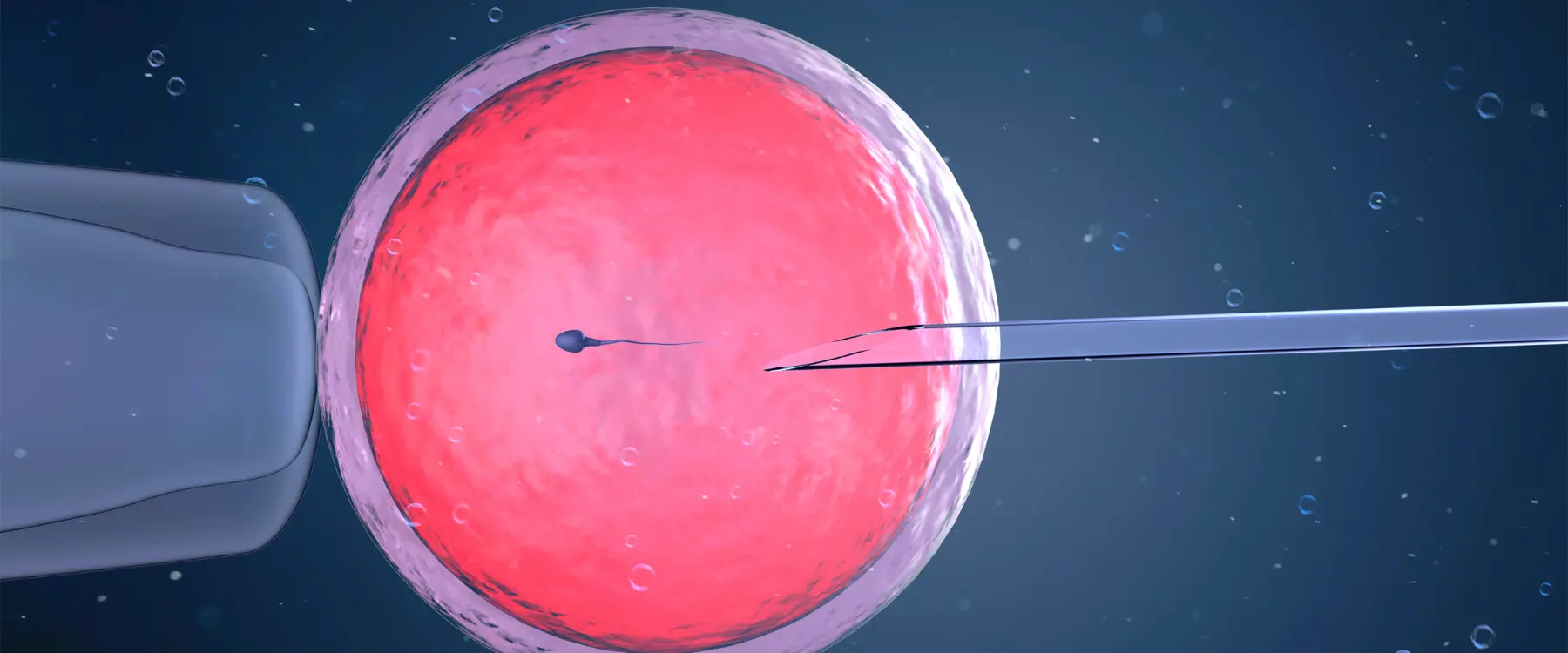
Their work goes beyond theory, as they are in charge of meticulously handling eggs and sperm to achieve fertilisation in the laboratory and the early development of the embryo. Their experience and dedication allow them to closely follow the evolution of the embryo until the moment of transfer to the mother’s uterus, in the hope of achieving a successful implantation and gestation process.

The history of Assisted Reproduction: World Embryologist’s Day
Who created assisted reproduction and what was the first in vitro baby? We tell you about the first steps in assisted reproduction.
More than four decades ago, two British scientists, Robert Edwards and Patrick Steptoe, marked a milestone in the history of reproductive medicine by pioneering in vitro fertilisation (IVF). Their tireless research and dedication led to the birth of the first baby conceived by this revolutionary procedure in 1978. An achievement that changed the course of assisted reproduction and opened up new possibilities for millions of couples around the world.
This historic event, which occurred in a semi-dark caesarean section in a UK operating theatre, led to a transformative moment in human reproduction. From then on, IVF became the hopeful alternative for couples who could not conceive naturally. The name ‘test-tube baby’ was a reflection of the amazing scientific feat that Edwards and Steptoe achieved.
In recognition of their pioneering work, Robert Edwards was awarded the Nobel Prize in Physiology or Medicine in 2010. This prestigious award was a well-deserved recognition of their vision, effort and determination to overcome the scientific and ethical challenges they faced on their path to IVF success.
Assisted Reproduction and the new family models
Reproductive medicine has been advancing and improving by leaps and bounds.
Nowadays, assisted reproduction is not only considered the ‘creation of life’, but thanks to it, new paradigms have been created around the family nucleus. Now the doors are open to Homoparental or egalitarian families (Mothers-Children) thanks to the Ropa Method (Reception of Oocytes from the Couple) which consists of experiencing shared motherhood, or, Mothers without a partner by choice; that is, at this point there are women who decide to be mothers in families without a father figure.
In the case of couples who cannot get pregnant, it is very important to have a study, evaluation and treatment, to analyse whether the infertility may be of immune origin.
At Vida Fertility we offer Artificial Insemination (IUI) with sperm donor, In Vitro Fertilisation (IVF) with sperm donor, and Oocyte Vitrification.
World Embryologists’ Day: Vida Fertility Institute Embryology Team
Today, we want to pay tribute to three exceptional souls who make magic in each laboratory: Beatriz, Ada, Beatrice, Nuria y Miriam. These great professionals are the heart and soul of Vida Fertility. Their dedication and passion for what they do make the creation of life possible, make the dreams of women and couples come true, and help create families.
At Vida Fertility Institute, we celebrate the vision and legacy of these pioneers and remain committed to providing a path to parenthood through the scientific advances and dedication of our assisted reproduction experts.
Related articles on fertility abour World Embryologists’ Day:
Book an appointment
You may also like


World Embryologists’ Day: Last news







Where can I find Vida Fertility centres in Spain?

📍 C/ Palermo 15, Hortaleza, 28043 Madrid
📞 Phone number: +34 919 29 83 23
🕒 Opening hours: Monday to Friday from 8am to 7pm
📍 Av. Óscar Esplá 1, Bajo, 03008 Alicante
📞 Phone number: +34 919 29 83 23
🕒 Opening hours: Monday to Friday from 8am to 7pm
ℹ️ The information published on Vida Fertility is reviewed by our fertility specialists and medical team, following up-to-date scientific criteria and evidence-based medicine. Our team is a member at scientific societies such as SEF, ESHRE and SEGO.