
 Español
 Français
 Deutsch
 Italiano
 Nederlands
 International

Women’s football and egg freezing in Spain: the Spanish Football Federation’s initiative

In Spain, egg freezing has moved to the heart of the conversation around women’s football. Several players from the Spanish national team, including Alexia Putellas, raised concerns with the Royal Spanish Football Federation (RFEF) about the difficulty of balancing motherhood with the demands of a top-level sporting career.
The Spanish Football Federation is therefore preparing an agreement with a fertility clinic in Spain to make egg freezing more accessible to its players. However, the RFEF has not yet officially announced which centre will provide the treatment or what conditions will apply.
This initiative by the Spanish Football Federation gained particular attention after Alexia Putellas explained that the peak years of a female footballer’s career coincide with an important stage of her fertility.
Egg vitrification may offer an additional option, but it cannot guarantee a future pregnancy and should not be presented as an obligation for extending a sporting career. We spoke to Dr Katharina Spies, Medical Director of Vida Fertility.


- Age, ovarian reserve and women’s football in Spain
- In Spain, the Football Federation’s agreement could improve access to reproductive medicine
- What does egg vitrification involve?
- When is the best time to freeze your eggs?
- How can egg freezing in Spain be adapted to a footballer’s schedule?
- Can you train during ovarian stimulation?
- Can egg freezing affect sporting performance? Possible symptoms
- Medication and anti-doping controls
- An option, not a guarantee or an obligation
- Frequently Asked Questions about egg freezing and women’s football
- Our fertility treatments
- The best fertility clinics in Spain
Age, ovarian reserve and women’s football in Spain
A professional footballer may spend her peak performance years competing, travelling, recovering from injuries and moving from one season to the next with very few periods of rest. This stage often coincides with the years when her eggs have better biological quality.
Female fertility declines with age, particularly because both the number and quality of oocytes decrease. In reproductive medicine, the number of eggs available is related to what is known as ovarian reserve. This change does not mean that every woman will experience difficulties after a particular age, but delaying motherhood may reduce reproductive possibilities.
In Spain, the Football Federation’s agreement could improve access to reproductive medicine
The Spanish Football Federation’s future agreement could help to normalise these conversations in Spain and make reliable medical information more accessible to players. However, it will need to clarify which members of the Spanish national team will be eligible, which services will be covered, how long their eggs will be stored and what will happen if a player retires, changes clubs or decides not to use them. The RFEF has not yet officially announced these conditions.
As Dr Katharina Spies explains: “Freezing eggs is another option for women who wish to preserve their fertility. For an athlete, the important thing is that she can understand her reproductive health, receive realistic information and decide without pressure whether this option fits her plans for the future.”
What does egg vitrification involve?
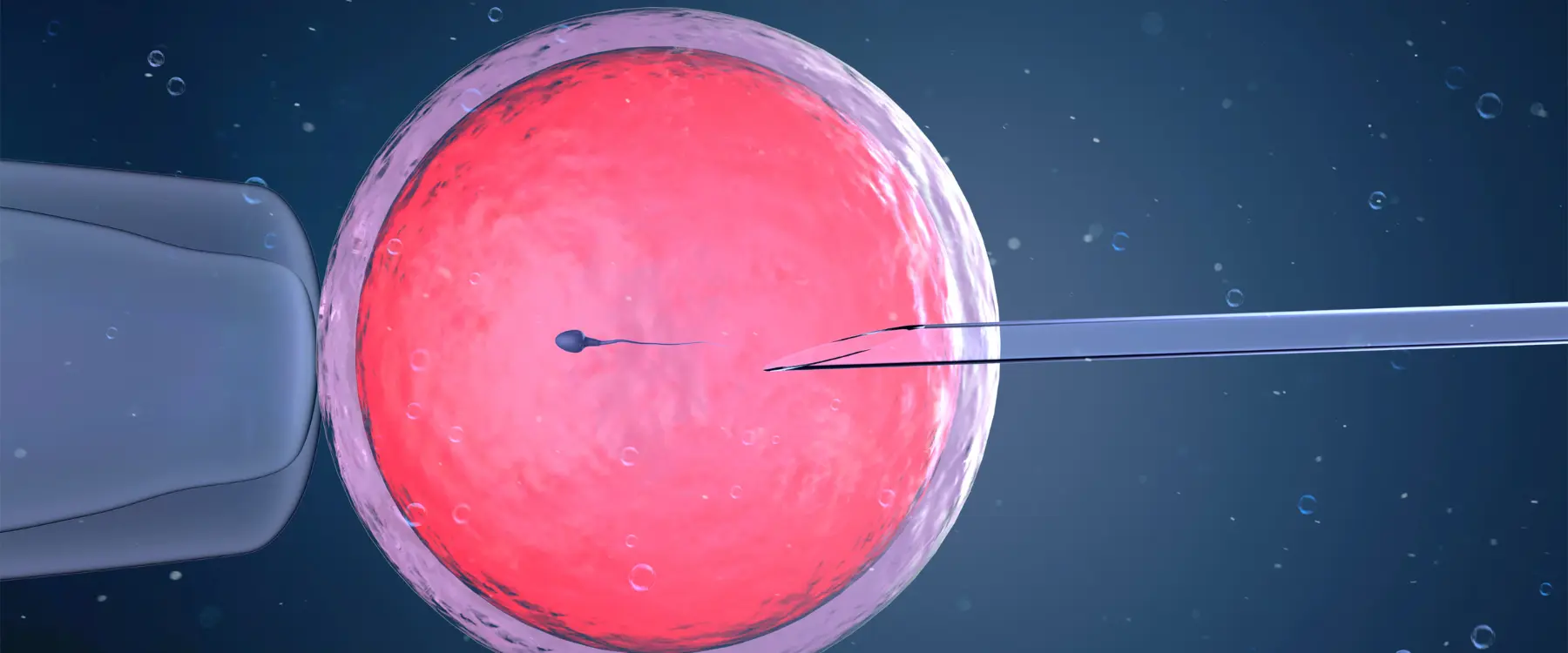
Egg freezing is carried out using a cryopreservation technique known as vitrification. Its purpose is to retrieve oocytes and store them at a very low temperature so that they may be used later as part of assisted reproduction treatment.
The egg-freezing process in Spain involves the following stages:
Fertility assessment
Before starting, the doctor reviews the patient’s age, medical history, menstrual cycle and ovarian reserve. This assessment usually includes an ultrasound scan to count the antral follicles and a blood test to measure anti-Müllerian hormone (AMH).
These tests help estimate how the ovaries might respond to treatment, but they cannot guarantee how many eggs will be retrieved or whether a future pregnancy will be achieved.
Ovarian stimulation
The athlete administers hormonal medication for several days to encourage multiple follicles to develop at the same time. During this stage, ultrasound monitoring and, when indicated, hormone blood tests are carried out.
The protocol must be adapted to each patient’s response. Not every woman will need the same medication, dose or length of treatment.
Egg retrieval
Once the follicles have developed sufficiently, the oocytes are collected through an egg-retrieval procedure, usually performed under sedation. It is a short procedure, but it requires preparation and a recovery period afterwards.
Vitrification and storage
The mature oocytes retrieved are vitrified and stored in an authorised egg bank. If the patient wishes to use them in the future, they will need to be thawed and fertilised in the laboratory as part of an IVF treatment.
Spanish law requires oocyte cryopreservation and use to take place in duly authorised centres and banks, with the patient’s informed consent.
When is the best time to freeze your eggs?
There is no single ideal age for every woman. The recommendation will depend on her age, ovarian reserve, personal and family medical history, and when she expects to try for a pregnancy.
The age at which the eggs are vitrified is particularly relevant because the procedure preserves the characteristics they have at that time. It does not rejuvenate the oocytes or stop the rest of the body from ageing.
A good ovarian reserve should not be interpreted as a guarantee of pregnancy either. Ovarian reserve mainly provides information about the estimated quantity of eggs and the possible response to stimulation; age remains one of the factors most closely linked to egg quality.
How can egg freezing in Spain be adapted to a footballer’s schedule?
For a professional athlete, treatment planning must be coordinated with her schedule of training sessions, travel, training camps and matches. It is not enough to set a date for egg retrieval: the medical team must also anticipate how the ovaries may respond and decide which level of physical activity is advisable at each stage.
Whenever medically possible, treatment may be scheduled during:
- Holidays or breaks between seasons.
- Periods without decisive matches.
- Weeks with a lighter training load.
- A rehabilitation period, but only when the professionals responsible are involved in the planning and the patient’s clinical situation allows it.
Planning can never be completely rigid. Ovaries do not respond in the same way in every patient and, in some cases, the date initially planned for egg retrieval may change.
“At Vida Fertility, we have experience with cases of this kind. For an athlete, we therefore adapt the treatment to her sporting schedule, while keeping her safety as our priority. Before starting, we need to establish which monitoring appointments she requires, when she can reduce her training load and how we will organise her gradual return to training.” — Dr Katharina Spies
Can you train during ovarian stimulation?
During the first few days, it may be possible to maintain a certain level of physical activity, but the intensity should be assessed individually. As the follicles develop, the ovaries increase in size and the patient may experience bloating, abdominal heaviness or discomfort.
At this stage, it may be necessary to avoid the following temporarily:
- High-intensity training.
- Jumping, twisting and sudden changes of direction.
- High-impact exercise.
- Contact or blows to the abdomen.
- Loads that significantly increase abdominal pressure.
These restrictions are especially relevant in football because sprinting, turning, tackling and physical contact are a routine part of training. A recovery period is also needed after egg retrieval before physical activity is resumed gradually.
The same recovery time should not be prescribed for every player. Medical advice will depend on the ovarian response, symptoms, number of follicles and progress after the procedure.
Can egg freezing affect sporting performance? Possible symptoms
During ovarian stimulation, some patients may experience abdominal bloating, tiredness, headaches, mood changes or pelvic discomfort. The intensity of these symptoms varies considerably from one person to another.
This does not mean that treatment causes a permanent decline in performance. However, on certain days a footballer may not feel able to train or compete at her maximum intensity.
Scientific evidence specifically examining ovarian stimulation in elite athletes remains limited. Follow-up should therefore involve the assisted reproduction team, sports medicine professionals and strength and conditioning staff, while respecting the player’s confidentiality and decisions at all times.

Medication and anti-doping controls
This is one of the points that clearly distinguishes a professional athlete from other patients. Before prescribing any medication, the current anti-doping list must be checked and treatment must be coordinated with the appropriate medical service.
On Spain’s 2026 list of prohibited substances, letrozole and clomifene are included among the hormone and metabolic modulators prohibited both in and out of competition. This does not mean that these medicines are used in every ovarian stimulation protocol, but it does mean that the planned treatment must be reviewed and, when required, a Therapeutic Use Exemption must be obtained before it begins.
The player should not start taking medication until this coordination has been documented.

An option, not a guarantee or an obligation
Financial support for egg freezing from clubs or federations may reduce economic barriers and improve reproductive health education. Nevertheless, the decision belongs entirely to each woman.
Fertility preservation is not about promising a future pregnancy. It is about providing information, assessing each situation and preserving an additional reproductive option when a woman decides that she is not yet ready to become a mother.
At Vida Fertility in Spain, we provide personalised fertility preservation assessments. If you are an athlete and would like to understand your ovarian reserve or find out how egg vitrification could be organised around your sporting schedule, you can leave us your details. Our team will review the available options, timings and necessary precautions with you before you make a decision.
Frequently Asked Questions about egg freezing and women’s football
Dr Spies, medical director and fertility specialist at Vida Fertility Madrid, answers:
Egg freezing should be considered at an age when a woman still has a favourable quantity and quality of eggs. Fertility preservation therefore depends in part on a good ovarian reserve.
It is generally recommended that women freeze their eggs before the age of 36 where possible. However, this age may vary depending on each woman’s ovarian reserve.
To assess ovarian reserve, the level of anti-Müllerian hormone (AMH) needs to be measured with a blood test. This result can help determine whether ovarian reserve is low or declining rapidly.
Can an athlete with irregular periods freeze her eggs?
Intensive training, low energy availability and other factors may be associated with irregular menstrual cycles or an absence of periods. These signs alone cannot determine ovarian reserve and do not automatically rule out egg vitrification.
When an athlete stops having periods, the cause should be investigated and her hormonal, bone and reproductive health assessed. Amenorrhoea should not be normalised as an inevitable consequence of elite sport.
Following a medical assessment, the doctor will decide whether ovarian stimulation can begin, whether further tests are needed or whether the underlying imbalance affecting the menstrual cycle should be addressed first.
Up to what age can I use my frozen eggs?
In Spain, the maximum age for undergoing fertility treatment is 50. However, before treatment, we must assess the patient’s current age and health, and whether the pregnancy can be carried safely.
Although frozen eggs retain the biological age they had when they were vitrified, obstetric risks increase as a woman gets older. Every case must therefore be assessed individually before IVF treatment begins.





Vida Fertility Events
At Vida Fertility, we believe that feeling informed is the first step towards a more confident fertility journey.
Through our events, talks and private consultations, we help patients understand their options, ask questions and receive personalised guidance from our fertility specialists in Spain.
Discover our upcoming events and meet the Vida Fertility team.
Ask for a consultation
You may also like


Last news


Testimonials





The best fertility clinics in Spain

📍 C/ Palermo 15, Hortaleza, 28043 Madrid
📞 Phone number: +34 919 29 83 23
🕒 Opening hours: Monday to Friday from 8am to 7pm
📍 Av. Óscar Esplá 1, Bajo, 03008 Alicante
📞 Phone number: +34 919 29 83 23
🕒 Opening hours: Monday to Friday from 8am to 7pm
ℹ️ The information published on Vida Fertility is reviewed by our fertility specialists and medical team, following up-to-date scientific criteria and evidence-based medicine. Our team is a member at scientific societies such as SEF, ESHRE and SEGO.