
 Español
  Français
  Deutsch
  Italiano
  Nederlands
  International
Requirements for freezing eggs in Spain: age, tests and when to start

Egg freezing is a decision many women consider when they feel that now may not be the right time to become mothers but do not want to close that door in the future.
Sometimes the question arises for personal, professional or relationship reasons. At other times, it follows a medical diagnosis, low ovarian reserve, endometriosis, a family history of early menopause or treatment that may affect fertility.
To answer all questions about the requirements for egg freezing, we spoke with Dr Katharina Spies.


- What does egg freezing involve?
- Requirements for freezing eggs in Spain
- Recommended age for freezing eggs
- Medical requirements for freezing eggs
- Freezing eggs through public healthcare: requirements
- Administrative requirements before freezing eggs
- Frequently asked questions about the requirements for freezing eggs
- The first step towards freezing your eggs starts here
- Our fertility treatments
- The best fertility clinics in Spain
What does egg freezing involve?
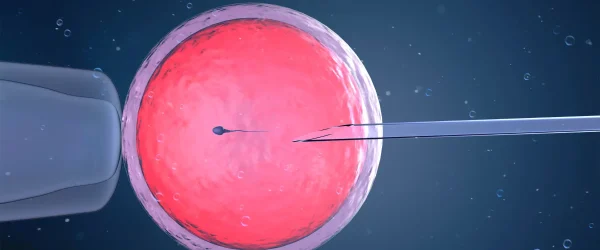
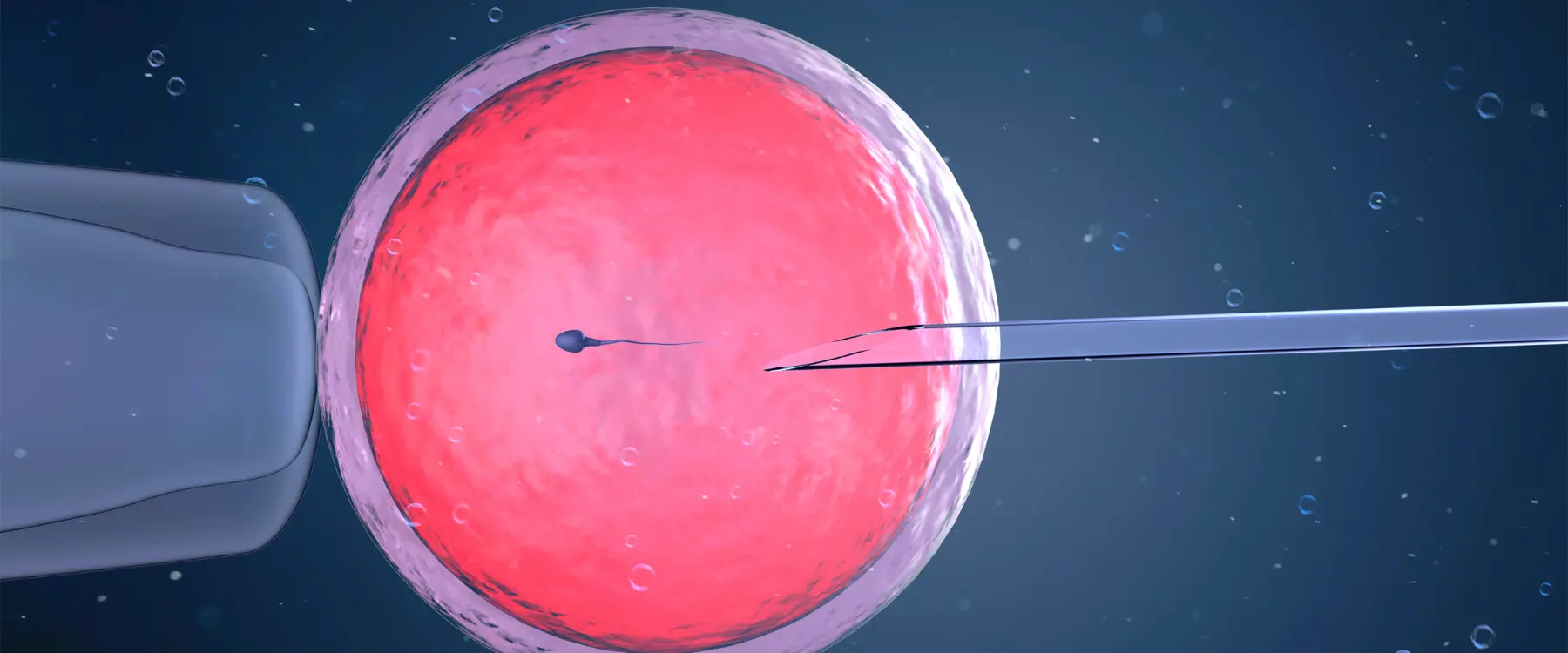
Egg freezing, also called oocyte vitrification, is a fertility-preservation technique that makes it possible to retrieve eggs, freeze them through an ultra-rapid process and store them for future use.
The aim is to preserve the eggs at the age and quality they have at the time of vitrification. This is important because ovarian ageing does not stop, but vitrified eggs retain the characteristics they had when they were frozen. Vida Fertility describes vitrification as a technique that preserves eggs until a woman decides to become a mother later on.
The egg-freezing process usually includes an initial consultation, a fertility assessment, ovarian stimulation, ultrasound monitoring, egg retrieval and vitrification of the mature oocytes in the laboratory.
Requirements for freezing eggs in Spain
In general, to freeze eggs in Spain you need to meet the following requirements:
- Be of legal age and have the capacity to sign informed consent.
- Undergo an initial medical assessment.
- Have a fertility assessment to determine your ovarian reserve.
- Have no major contraindications to ovarian stimulation and egg retrieval.
- Undergo blood tests and serological screening before the procedure.
- Accept the medical, legal and financial information concerning the treatment.
In Spain, Law 14/2006 on assisted human reproduction establishes that any woman over the age of 18 who has full legal capacity may use assisted-reproduction techniques, provided that she has given free, informed and explicit written consent. It also states that access is available regardless of marital status and sexual orientation.
Recommended age for freezing eggs
Legally, there is no single age that serves as a limit for all women. From a medical perspective, however, age does have an influence.
Female fertility declines progressively with age, particularly after 35.
Therefore, if a woman wishes to preserve her fertility for personal reasons, it is generally advisable to do so before the age of 35.
At Vida Fertility, the recommendation is personalised. According to Dr Spies: “Freezing eggs at 30 with a good ovarian reserve is not the same as considering it at 38 or 40. In these cases, it may still be possible, but we must explain honestly that fewer oocytes may be obtained or that more than one cycle may be needed to try to accumulate an adequate number”.

Can I freeze my eggs at 36 or 38?
Yes, you can arrange a consultation to consider egg freezing at 36, 37 or 38. The important thing is not to decide on chronological age alone, but on the fertility assessment.
To give a well-founded answer to the question of the ideal age for freezing eggs, the following medical requirements are assessed above all.
Medical requirements for freezing eggs
Before starting egg vitrification, it is necessary to confirm that the treatment is appropriate and safe for you.
The main medical requirements are:
Assessing ovarian reserve
Ovarian reserve helps estimate how the ovaries may respond to stimulation. It is usually assessed by transvaginal ultrasound, antral follicle count and AMH.
Reviewing gynaecological health
It is important to know whether there is any uterine condition:
- Endometriosis,
- Ovarian cysts or uterine fibroids,
- Previous surgery,
- Very irregular periods,
- PCOS or polycystic ovaries, or
- A history of low ovarian reserve.

Confirming that you can undergo ovarian stimulation
Ovarian stimulation requires hormonal medication for several days. This process usually lasts between 10 and 15 days, and the number of follicles that respond depends on the initial ovarian reserve.
Serological screening and ruling out risks before egg retrieval
Serological tests help ensure the biological safety of the process and sample storage, as well as the patient’s safety.
Reviewing medical history
Autoimmune diseases, thrombophilias, a history of cancer, endocrine disorders, long-term medication or previous surgery may alter the protocol.
Freezing eggs through public healthcare: requirements
Egg freezing through public healthcare is not usually indicated for postponing motherhood for personal reasons. Within Spain’s National Health System, preserving gametes for a person’s own deferred use is mainly considered on medical grounds in situations involving specific pathological processes or treatments that pose a risk to fertility.
Access to public healthcare in Spain for egg freezing is only possible for patients at possible risk of losing reproductive capacity because of gametotoxic treatments or pathological processes with a documented risk of premature ovarian failure. Cases performed solely at the patient’s request for deferred use are excluded.
This means that if you want to freeze your eggs for personal or professional reasons, or because you have not yet found the right time to become a mother, the usual option is to attend a private clinic.
Public-sector criteria may vary between autonomous communities, so the current protocol in each region should be checked.
Administrative requirements before freezing eggs
At a private clinic, you are normally asked for identification, your medical history, any tests you already have, blood-test results and informed-consent forms.
For an initial consultation at Vida Fertility, ideally you should bring:
- National identity card, foreigner identity number or passport.
- Previous medical reports.
- Hormone test results, if available.
- Recent gynaecological tests.
- Reports from previous treatments.
- A list of current medication.
- A history of miscarriages, surgery, endometriosis, cancer treatments or relevant illnesses.
If you do not have any test results, that is not a problem. The purpose of the initial consultation is precisely to decide what you need.
Frequently asked questions about the requirements for freezing eggs
Dr Spies, medical director and fertility specialist at Vida Fertility Madrid, replies:
What is the best age to freeze eggs?
There is no single ideal age to freeze eggs. However, egg freezing should be carried out at an age when a woman still has a good number of good-quality eggs. In other words, fertility preservation depends on having a good ovarian reserve.
It is generally recommended to freeze eggs before the age of 36. However, this age may vary depending on each woman’s ovarian reserve.
To assess ovarian reserve, it is necessary to check the level of anti-Müllerian hormone (AMH) through a blood test. This result can help determine whether the ovarian reserve is low or declining rapidly
What tests do I need before freezing my eggs?
At Vida Fertility, we usually require women who are interested in preserving their fertility to undergo the following tests before freezing their eggs:
- A personalised medical assessment, which usually includes an initial fertility consultation.
- A transvaginal ultrasound with an antral follicle count and hormone tests, including anti-Müllerian hormone.
- Serology tests and preoperative blood tests to ensure that egg retrieval and sedation can be performed safely.
The specific tests are tailored to each patient’s medical history and individual needs.
Up to what age can I use my frozen eggs?
In Spain, the maximum age for undergoing fertility treatment is 50. However, before beginning treatment, we must assess the woman’s current age, overall health and whether the pregnancy can progress safely.
Although frozen eggs retain the biological age they had at the time of vitrification, obstetric risks increase as a woman gets older. For this reason, every case must be assessed individually before starting IVF.
The first step towards freezing your eggs starts here
At Vida Fertility, Dr Katharina Spies and the medical team can help you according to your individual case.
Book a consultation with Vida Fertility, online or in person, and we will review your age, ovarian reserve, previous tests and realistic options for preserving your fertility in Spain.





Vida Fertility Events
At Vida Fertility, we believe that feeling informed is the first step towards a more confident fertility journey.
Through our events, talks and private consultations, we help patients understand their options, ask questions and receive personalised guidance from our fertility specialists in Spain.
Discover our upcoming events and meet the Vida Fertility team.
Ask for a consultation
You may also like




Last news


Testimonials







The best fertility clinics in Spain

📍 C/ Palermo 15, Hortaleza, 28043 Madrid
📞 Phone number: +34 919 29 83 23
🕒 Opening hours: Monday to Friday from 8am to 7pm
📍 Av. Óscar Esplá 1, Bajo, 03008 Alicante
📞 Phone number: +34 919 29 83 23
🕒 Opening hours: Monday to Friday from 8am to 7pm
ℹ️ The information published on Vida Fertility is reviewed by our fertility specialists and medical team, following up-to-date scientific criteria and evidence-based medicine. Our team is a member at scientific societies such as SEF, ESHRE and SEGO.