
 Español
  Français
  Deutsch
  Italiano
  Nederlands
  International
Pregnancy after vasectomy: is it possible?

When a man decides to have a vasectomy, he almost always does so convinced that his time as a father is over. And yet, life changes: a new partner, the desire to have a baby that comes later than expected. If you are reading this, you probably recognise that mixture of excitement and vertigo: wanting a baby… and wondering if it is still possible.
Vasectomy is considered a permanent method of contraception, but in some cases, reversible vasectomy is possible. Even so, although it can be reversed, natural pregnancy is not always achieved, as it depends on the quality of the semen and other factors relating to the couple.
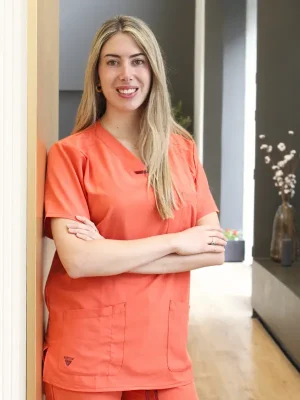
To clarify all these doubts, we spoke to Beatriz Lozano, laboratory director at Vida Fertility, about the options for achieving pregnancy after vasectomy through assisted reproduction.

A vasectomy is a male sterilisation procedure in which the vas deferens are severed through minor surgery.
As this passage is blocked, sperm cannot pass into the ejaculated semen, thus preventing pregnancy very effectively.
It is considered a permanent method of contraception, with high effectiveness and, in general, few complications. Even so, in some men, reversal through vasovasostomy may be considered, although the chances of success depend on factors such as when and how the vasectomy was performed.
Can I become a father after a vasectomy?
Yes, you can become a father after a vasectomy.
According to our laboratory director Beatriz Lozano: ‘After a vasectomy, the testicle continues to produce sperm as usual. What happens is that these sperm can no longer travel through the vas deferens to be ejaculated, because that path is interrupted.’
Therefore, if we manage to restore the passage (vasectomy reversal) or recover those sperm through assisted reproduction, it may be possible to try for a baby again.

Fertility options after a vasectomy
Vasectomy reversal: Vasovasostomy
Reversal surgery aims to reconnect the ducts to restore the passage of sperm. It can be performed as a vasovasostomy (direct reconnection) or, if a more proximal obstruction is detected, as a vasoepididymostomy (a more complex technique). If sufficient semen quality is restored, you can try to conceive naturally.
Testicular biopsy
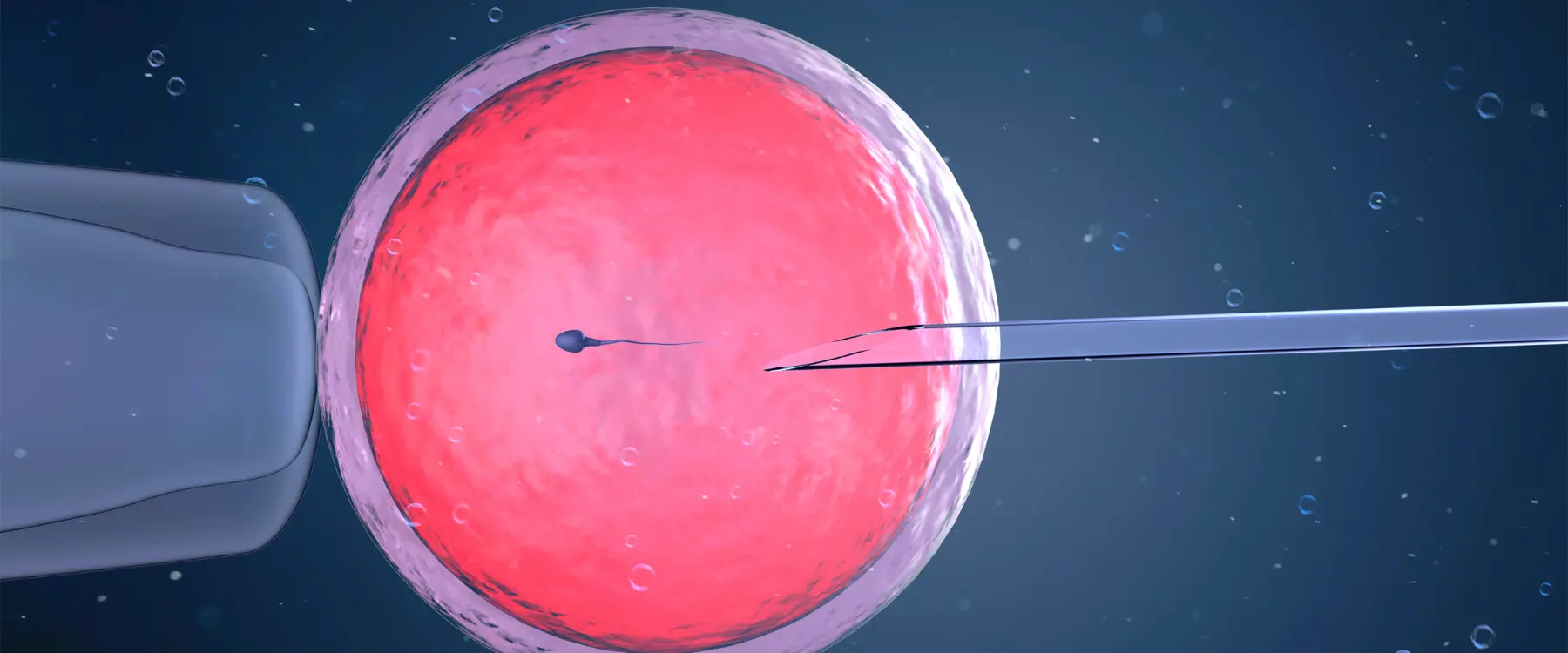
Sperm retrieval by testicular biopsy involves obtaining a small piece of testicular tissue through a small incision, with the aim of locating sperm that will then be used in IVF with ICSI (intracytoplasmic sperm injection into each egg).
It is a quick and usually outpatient procedure, performed under local anaesthesia, and usually takes around 15–20 minutes.
Sperm aspiration
Sperm aspiration involves collecting sperm from the epididymis (where it is stored and matures) or directly from the testicle.
After aspiration, we process the sample in the IVF laboratory, select the best spermatozoa and perform fertilisation using the ICSI technique. Embryos that develop correctly are assessed and, at the appropriate time, embryo transfer to the uterus is performed.
Freezing sperm
Before the vasectomy, one or more semen samples are obtained at the clinic, processed in the laboratory and stored frozen under controlled conditions. If the patient later decides to become a father again, these samples can be used in assisted reproduction treatment: depending on the quality and quantity of sperm availables.
Sperm donation
Sperm donation is an alternative when, following a vasectomy, it is not possible to use the patient’s own sperm through reversal or surgical recovery using assisted reproduction techniques in Spain.
Law 14/2006 on gamete donation, on Assisted Human Reproduction Techniques in Spain, states that it is anonymous, voluntary, altruistic and confidential; neither the donor nor the recipient will know each other’s identity.
Frequently asked questions about pregnancy after vasectomy
How can I have a child if I had a vasectomy?
Beatriz Lozano replies:
If you have had a vasectomy and now want to get pregnant, there are several effective alternatives depending on your case: vasectomy reversal (vasovasostomy/vasoepididymostomy) or assisted reproduction by recovering sperm through aspiration or testicular biopsy and fertilising with ICSI; if semen was frozen before the vasectomy, it can also be used, and when it is not possible (or desirable) to use your own sperm, there is the option of sperm donation.
At Vida Fertility, during an initial consultation for male infertility, we will advise you on the best option and propose a personalised protocol to help you have a baby.
Is a vasectomy reversible?
Beatriz Lozano replies:
In many cases, yes, but it is not always possible nor does it guarantee natural pregnancy. Even if the tubes are successfully reconnected, semen quality may not recover sufficiently, and other factors come into play, such as the number of years since the procedure, the technique used, and the woman’s age and fertility.
Therefore, if you are thinking about reversing your vasectomy and want to become a father, it is best to consult a specialist. At Vida Fertility, we carry out a personalised assessment to recommend the most effective route.
Can sperm be extracted from a man who has had a vasectomy?
Beatriz Lozano replies:
Yes. At Vida Fertility, we can obtain sperm directly from the epididymis or testicle using aspiration or testicular biopsy techniques, and then use it in the laboratory.
This makes it possible to achieve pregnancy even when the vasectomy was performed a long time ago or reversal is not the best option.
Why is ICSI only used in cases of testicular biopsy?
Beatriz Lozano replies:
This is due to the amount of sperm we recover directly using assisted reproduction techniques.
The sperm recovered from the testicle is usually limited in number and has different characteristics to that found in the ejaculate (less ‘ready’ to fertilise on its own). ICSI allows a sperm to be selected and inserted into the egg, increasing the chances of success when the sample is limited.
How can I get pregnant if my husband has had a vasectomy?
Beatriz Lozano replies:
As we have already explained, there are several options available to you, depending on your case:
- Vasectomy reversal (vasovasostomy/vasoepididymostomy)
- Sperm aspiration (epididymis or testicle) + ICSI
- Testicular biopsy + ICSI
- Semen freezing (if done before the vasectomy)
- Semen donation: when it is not possible (or not desired) to use your own sperm.
The key is to choose the most efficient route for you. At Vida Fertility, during an initial male infertility consultation, we will clearly indicate which option makes the most sense and propose a personalised protocol.
If you want to know which is the best option in your case, the most useful thing is for us to assess it during an initial consultation with our team of male infertility specialists. At Vida Fertility, we can guide you with diagnostic tests, a personalised plan and the emotional care that this moment deserves.
Book your appointment and we will help you take the next step.




Ask for a consultation
You may also like


Last news


Testimonials





Where can I find Vida Fertility centres in Spain?

📍 C/ Palermo 15, Hortaleza, 28043 Madrid
📞 Phone number: +34 919 29 83 23
🕒 Opening hours: Monday to Friday from 8am to 7pm
📍 Av. Óscar Esplá 1, Bajo, 03008 Alicante
📞 Phone number: +34 919 29 83 23
🕒 Opening hours: Monday to Friday from 8am to 7pm
ℹ️ The information published on Vida Fertility is reviewed by our fertility specialists and medical team, following up-to-date scientific criteria and evidence-based medicine. Our team is a member at scientific societies such as SEF, ESHRE and SEGO.