
 Español
  Français
  Deutsch
  Italiano
  Nederlands
  International
The world’s oldest baby: the embryo frozen for 30 years and what happens to leftover embryos

In the last few days, the news has been all over the world: the world’s oldest baby has been born, conceived from an embryo frozen in 1994, which had been cryopreserved for more than 30 years before being transferred. This case has surprised many people and has opened up a host of questions about embryo freezing, its viability over time and the options for couples who keep frozen embryos.
As a fertility specialist and after years of accompanying patients in similar situations, I would like to answer the most frequent doubts and explain what really happens to embryos when they are frozen.

A frozen embryo is an embryo that has been created through in vitro fertilisation treatment (IVF) and subsequently cryopreserved. This method consists of storing embryos in liquid nitrogen at very low temperatures (-196°C) to stop their cellular development and keep them in perfect condition for years.
Thanks to this technique, it is possible to save embryos that are not transferred in an IVF cycle for use in a later attempt, or even for donation to other couples or for medical research, as decided by the parents.


How long can an embryo be frozen?
Embryo cryopreservation is a technique used in assisted reproduction to preserve embryos in liquid nitrogen at extremely low temperatures (-196°C). Under these conditions, cell development is completely stopped, allowing embryos to be preserved without losing their viability.
Studies and clinical experience have shown that there is no set time limit for keeping an embryo frozen. Successful pregnancies have been reported with embryos frozen for more than 20 or even 30 years, as in this viral case.
At Vida Fertility we also have vitrified embryos that continue to maintain the same quality as the day they were frozen.
“Each embryo is a life project, and science allows us to keep it for as long as necessary until the couple decides to continue with their reproductive plan” – Dr. Beatriz Lozano.
What happens to frozen embryos?
When an embryo is cryopreserved, it enters a state of biological pause. It does not age or deteriorate as long as it is correctly stored in laboratory conditions.
At the moment the couple decides to use it, the embryo is thawed and, if it survives the process (the survival rate is over 90% with current vitrification techniques), it can be transferred to the uterus to attempt a pregnancy.
The decision on what to do with frozen embryos can be made at any time and usually depends on the couple’s situation:
- Keep them for the couple’s future use, either in the short, medium or long term.
- Donate them to other couples or to research, according to current legislation.
- Desist from their use by requesting their destruction.
At Vida Fertility we accompany couples in every step, understanding that it is a delicate and emotional decision, especially when they have already achieved their desire to be parents and there are good quality embryos left over.
Pros and cons of freezing embryos
Cryopreservation of embryos has multiple benefits, but there are also some issues to consider.
Advantages of freezing embryos:
- Prevents the patient from starting new ovarian stimulations to attempt a second pregnancy.
- It offers a second chance in case the first transfer is unsuccessful.
- It maintains the same embryo quality as on the day of freezing.
Disadvantages or points to consider:
- Requires future decisions on the fate of surplus embryos.
- Although the survival rate is very high, there is a small risk that some embryos will not withstand the thawing process.
It involves annual maintenance costs at the fertility clinic where they are stored.
Predicting egg quality
At Vida Fertility, we offer our patients pioneering technology that transforms the way eggs are vitrified: VIOLET™, an artificial intelligence tool capable of analysing the quality of oocytes before freezing them.

The case of the world’s oldest baby
This case is not a miracle, but proof that reproductive medicine has come a long way and that embryo cryopreservation is a safe and effective tool to preserve fertility and allow many families to achieve their dream of parenthood, even decades after embryo fertilisation.
Do you have frozen embryos or doubts about cryopreservation? We answer the most frequent doubts
What options are there for surplus embryos?
After fertility treatment, many couples find themselves in the situation of having frozen embryos that they do not wish to transfer immediately or that they no longer intend to use. In Spain, the legal alternatives are:
- Keep them frozen for future attempts.
- Donate them to other couples who need them to start a family.
- Donate them to authorised medical research.
- Request their destruction if both parents agree.
Each option has an important emotional and ethical burden, and from Vida Fertility we offer support and advice to help make the best decision in each case.
*It is important to note that any of these options are subject to specific medical and legal requirements. To donate embryos to other couples, they must meet health and genetic criteria established by current regulations. In the case of donation for research purposes, this is only possible if there is an authorised scientific project. And to request the destruction of the embryos, both parents must sign the consent form and comply with the legal procedures stipulated by Spanish law.
How is cryotransfer, or frozen embryo treatment, performed?
Cryotransfer, or the transfer of previously frozen embryos, is a less complex and less expensive procedure than full in vitro fertilisation, as it does not require ovarian stimulation or surgical intervention.
The treatment focuses on preparing the endometrium to receive the embryo, which can be done naturally by following the patient’s cycle or by hormonal medication with oestrogen and progesterone.
Both methods offer similar success rates, so the choice depends mainly on the medical assessment and the patient’s needs.
What is the quality of frozen embryos?
Embryos maintain the same quality and morphological characteristics after being frozen and subsequently thawed. Only in exceptional cases can they be altered or not survive the process.
As for their survival rate, this depends on both the initial quality of the embryo and its ability to withstand cryopreservation.
Generally, embryos obtained through ovodonation have a survival rate of 98-99%, while those obtained through IVF with the embryo’s own eggs reach 95-96%.
Stages of embryo development
Embryo development after in vitro fertilisation proceeds in several key stages:
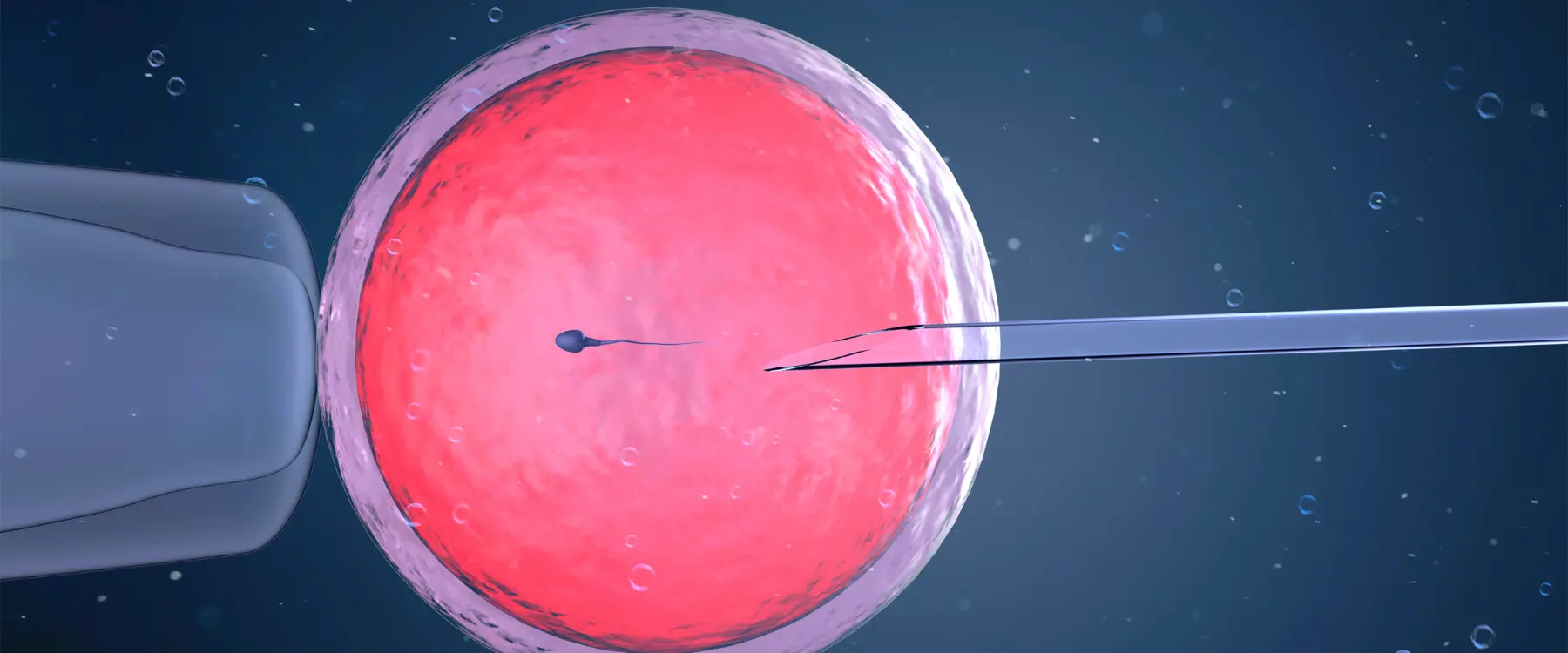
- Day 1 (Zygote): A few hours after the union between egg and sperm (by IVF or ICSI), a single cell is formed with the genetic material of both parents.
- Days 2-3 (Embryo): Cell divisions begin, going from 2 to 4 and up to 8 cells, becoming a growing embryo.
- Day 4 (Morula): Cells cluster into a compact mass called a morula.
- Days 5-6 (Blastocyst): The embryo develops into a more complex structure, with an internal cavity and differentiated cells that will give rise to both the foetus and placenta.
At Vida Fertility we understand that every situation is unique. If you want to resolve your doubts about embryo freezing, their conservation times and future options, ask for a first appointment with our team. We will be at your side to inform you, accompany you and help you make the best decision for your family.
Book your appointment here and let us be part of your journey towards parenthood.
Ask for a consultation
You may also like


Last news


Testimonials





ℹ️ The information published on Vida Fertility is reviewed by our fertility specialists and medical team, following up-to-date scientific criteria and evidence-based medicine. Our team is a member at scientific societies such as SEF, ESHRE and SEGO.