
 Español
  Français
  Deutsch
  Italiano
  Nederlands
  International
Bicornuate uterus and chances of pregnancy

Uterine malformations are anatomical variations of the uterus that develop before birth. Although there are different types of malformations, today we focus on the bicornuate uterus and the chances of achieving pregnancy with Dr. Alejandra Villalba.


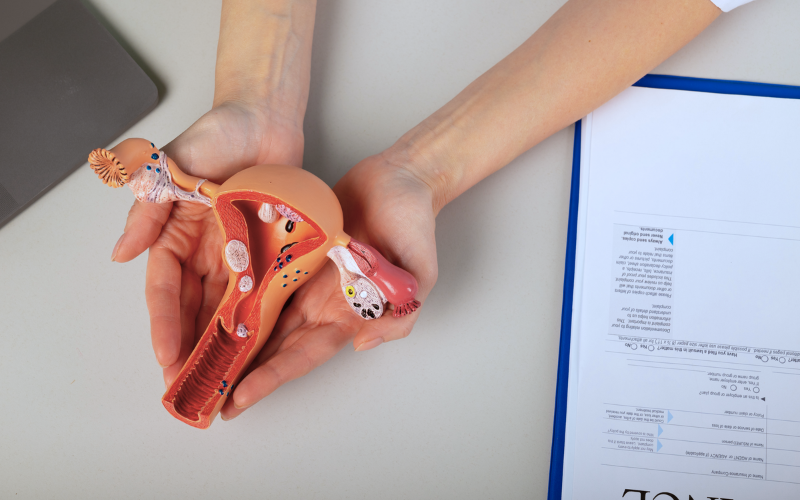
Known as the “heart-shaped uterus” it is a congenital anomaly of the uterus, where the uterus has two cavities separated by division.
In the bicornuate uterus, unlike a septate uterus, there is a complete malformation of both the internal and external structure, affecting all three uterine layers: endometrium, myometrium and perimetrium.
This condition results in a uterus with two cavities, whose appearance and structure are abnormal.
Vida Fertility Events
At Vida Fertility, we want to help our patients understand their treatment better.
We are convinced that a fertility process will be better lived, and with more
serenity, if the patient has received all the previous information.
For this reason, we organize events to inform, disseminate and explain how we adapt our processes to each person.
Bicornuate uterus classification according to ESHRE:
Differentiating between the types of bicornuate uterus is crucial to understanding its impact on fertility and pregnancy.
Depending on the extent of the central fold (degree of separation between the two cavities), the bicornuate uterus can be classified as:
- Partial bicornuate uterus
- Complete bicornuate uterus
- Septate bicornuate uterus
These differences are fundamental to determine the most appropriate approach to care and treatment in the quest for motherhood.
How is it diagnosed?
Uterine malformations such as bicornuate uterus are usually identified through ultrasound scans and may require additional tests for a complete evaluation, such as pelvic MRI and laparoscopy.
- Pelvic MRI: collects detailed images of the pelvic area, allowing for accurate classification of uterine malformations.
- Laparoscopy: is an invasive procedure that, under general anaesthesia, introduces a camera into the abdomen to directly observe the uterus and verify if the external cleft corresponds with the internal one, providing a clear view of the condition.

Bicornuate uterus and its impact on fertility and pregnancy
The bicornuate uterus can influence fertility and pregnancy, however, although many women with this condition manage to conceive without medical intervention, the main concern arises during pregnancy.
In pregnancy, the risk of miscarriage and premature delivery is increased due to the abnormal shape of the uterus, which may not expand adequately to accommodate foetal growth.
Medical supervision is essential to identify and manage possible complications as it is a risky pregnancy. In some cases, specific treatment, such as surgery, may be recommended to improve the chances of a successful pregnancy.
Treatments and follow-up of the bicornuate uterus
Options for managing conception and pregnancy in women with a bicornuate uterus include:
- Monitoring and follow-up: Careful monitoring of the pregnancy to detect and manage possible complications.
- Preconception counselling: Detailed assessment to understand the risks and prepare a personalised plan.
- Assisted reproductive techniques: Use of procedures such as IVF to increase the chances of conception.
- Pregnancy support: Monitoring of foetal growth and consideration of scheduled delivery, if necessary.
- Surgical intervention: In some cases, surgical correction may be considered to improve the chances of pregnancy and reduce the risk of complications.
It is important for women with a bicornuate uterus to consult with a fertility specialist to discuss the best options for their specific case.
“Understanding these malformations is crucial to properly manage the associated risks and seek the most effective strategies to achieve a healthy pregnancy,” says Dr Alejandra Villaba.

Advice for women with a bicornuate uterus and pregnancy
According to Dr Alejandra Villalba, to maximise the chances of a healthy pregnancy with a bicornuate uterus, the following recommendations should be followed:
- Consultation with a specialist: Before trying to conceive, it is essential to consult a gynaecologist specialising in fertility to assess your specific situation and receive personalised advice.
- Medical follow-up during pregnancy: To monitor foetal development and detect any complications early.
- Healthy lifestyle: Maintain a balanced diet, avoid the consumption of harmful substances, and exercise moderately, always under medical supervision.
- Emotional support: Consider seeking emotional support through therapy or support groups to manage the stress and worries associated with fertility and pregnancy.
It is important to remember that each case is unique, and it is best to follow the specific recommendations of an assisted reproduction specialist.

Does overweight affect fertility? Dr Katharina Spies explains how it affects pregnancy, ovulation, semen and IVF treatments.

Getting pregnant through egg donation offers the highest probability for women over 40. We explain the process, donor selection and success rates.

Are you looking to get pregnant with IVF? We explain how long the process takes, when to take the test after transfer, the real chances of success and what to check if it doesn’t work
Ask for a consultation
You may also like






Last news


ℹ️ The information published on Vida Fertility is reviewed by our fertility specialists and medical team, following up-to-date scientific criteria and evidence-based medicine. Our team is a member at scientific societies such as SEF, ESHRE and SEGO.