
 Español
  Français
  Deutsch
  Italiano
  Nederlands
  International
Treatments for getting pregnant if you suffer from endometriosis

Endometriosis does not always lead to infertility, with 50-70% of affected women achieving pregnancy naturally. However, some patients may face infertility due to complications such as tubal involvement or reduced ovarian reserve.
For them, assisted reproductive techniques become a vital option to conceive. Interestingly, many women discover they have endometriosis only after seeking help for fertility problems.


How does endometriosis affect fertility?
Endometriosis can make getting pregnant a little more complicated, but definitely not impossible.
What happens is that endometriosis can cause inflammation and scar tissue around the reproductive organs, which can interfere with ovulation or egg transport.
Even so, many women with endometriosis have achieved successful pregnancies. Fertility treatments can help enormously, providing various options for overcoming the obstacles that endometriosis can present.
Assisted reproduction treatments for getting pregnant with endometriosis

For women with endometriosis, there are specific assisted reproduction techniques adapted to their needs:
This is recommended in cases of mild endometriosis, where the quality and mobility of the sperm can be a limiting factor. This method allows the sperm to be placed directly into the uterus during the ovulatory period, increasing the chances of fertilisation.
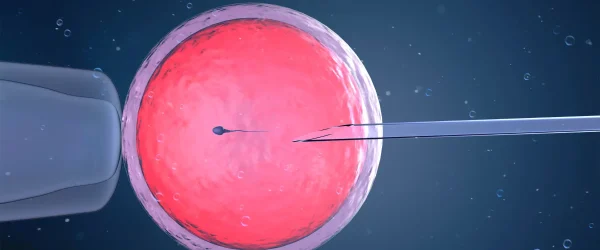
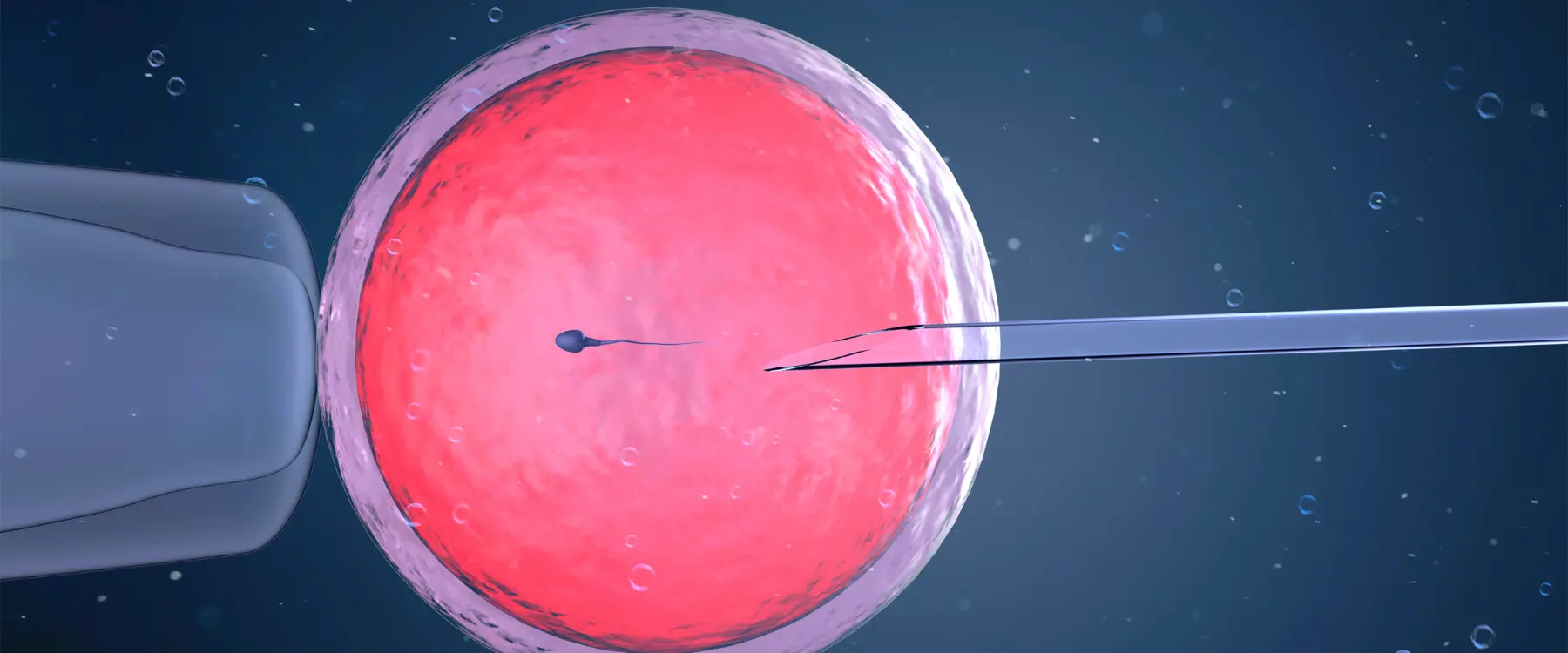
This is the most effective option for women with severe endometriosis. It consists of extracting eggs from the woman to be fertilised in the laboratory with the partner’s sperm or donor sperm, either conventionally or by ICSI.
The resulting embryos are transferred to the uterus, significantly increasing the chances of pregnancy even in cases where endometriosis has severely affected fertility.
This is ideal for those whose ovarian reserve is affected by endometriosis. Donor eggs are used to perform IVF, which can improve pregnancy success rates.
This is suggested for women diagnosed with endometriosis who wish to postpone childbearing. Egg cryopreservation allows them to preserve their fertility for use at a more appropriate time in the future.
Conventional treatments for endometriosis

There are conventional techniques that can improve the chances of pregnancy for a woman with endometriosis:
- Fertility drugs: these drugs stimulate ovulation, increasing the likelihood of conceiving. Their effectiveness varies according to the degree of endometriosis and other individual patient factors.
- Laparoscopic surgery: This minimally invasive procedure removes endometriotic tissue, which can relieve symptoms and improve fertility. Surgery is particularly useful in cases of mild to moderate endometriosis, where endometriotic tissue obstructs the reproductive tract.
These options, along with the advice of a fertility specialist, can help women with endometriosis achieve their reproductive goals.

Pregnancy symptoms with endometriosis
Symptoms of pregnancy in women with endometriosis can vary and, in some cases, can be similar to the symptoms of endometriosis, which can complicate identification.
Some common symptoms of pregnancy include nausea, vomiting (especially in the first trimester), fatigue, increased breast tenderness, and changes in food cravings or aversions. However, due to endometriosis, some women may experience an increased level of pelvic pain or discomfort due to changes in endometriotic tissue.
It is worth noting that pregnancy offers a temporary pause in endometriosis symptoms due to the suspension of menstrual cycles and the reduction of oestrogen levels, a hormone that promotes the development of endometriosis.
During pregnancy, many women experience noticeable relief from pain and other associated symptoms. However, it is common for these symptoms to recur after childbirth.
FAQs about endometriosis treatments
Endometriosis can make conception difficult due to inflammation and scar tissue formation in the reproductive organs, which can interfere with ovulation or egg transport. However, there are several options for achieving pregnancy:
- Artificial Insemination (IUI): Recommended in some cases of very mild endometriosis, young women and good ovarian reserve. It is also important that they have been searching for less than a year. With this technique the sperm is placed directly into the uterus during ovulation, increasing the chances of fertilisation.
- In Vitro Fertilisation (IVF): Indicated for women with severe endometriosis. It consists of extracting eggs to be fertilised in the laboratory with sperm from the partner or a donor, and then transferring the resulting embryos to the uterus, significantly increasing the chances of pregnancy.
- Egg donation: Ideal for those whose ovarian reserve is affected by endometriosis. Donor eggs are used to perform IVF, improving pregnancy success rates.
- Social Freezing: Suggested for women diagnosed with endometriosis who wish to postpone childbearing. Egg cryopreservation allows fertility to be preserved for the future.
Yes, it is possible to improve fertility in women with endometriosis through various treatments:
- Drugs to stimulate the ovaries: These drugs are used for insemination and IVF, increasing ovarian response and therefore the chances of success. Their effectiveness varies according to the degree of endometriosis and other individual patient factors.
- Laparoscopic surgery: Minimally invasive procedure that removes endometriotic tissue. It is especially useful in cases of mild to moderate endometriosis, where endometriotic tissue obstructs the reproductive tract. In other more severe cases, it may be indicated to remove large cysts and release adhesions.
Of course, endometriosis does not always lead to infertility. In fact, between 50% and 70% of affected women achieve pregnancy naturally. However, some may face difficulties due to complications such as tubal involvement or reduced ovarian reserve.
In these cases, the assisted reproductive techniques mentioned above become vital options to conceive.
Although there is no definitive cure for endometriosis, there are treatments to alleviate symptoms and improve quality of life:
- Hormonal treatment: includes hormonal contraceptives, gonadotropin-releasing hormone (Gn-RH) agonists and antagonists, progestogens and aromatase inhibitors. These treatments aim to suppress ovulation and reduce the growth of endometriotic tissue.
- Laparoscopic surgery: In addition to improving fertility, this procedure can relieve pain and other symptoms associated with endometriosis by removing the abnormal tissue.
It is essential to consult with a fertility specialist to determine the most appropriate treatment for your individual needs.
Yes, endometriosis can be treated surgically, and for many women this marks a turning point, especially when the pain prevents them from leading a normal life.
It is usually performed using laparoscopic surgery, a minimally invasive technique in which we can remove or destroy endometriosis implants, release adhesions and, if present, treat endometriomas (endometriosis cysts on the ovary).
The aim of the surgery is to:
- Reduce pain and inflammation, so that you can regain your quality of life.
- Improve the anatomy of the pelvis when adhesions are affecting the fallopian tubes, ovaries, or uterus.
- And, in some cases, optimise reproductive possibilities, especially if endometriosis is interfering with ovulation, the fallopian tubes, or ovarian function.
Yes, IVF can be performed with endometriosis, and in fact it is one of the assisted reproduction options for getting pregnant with endometriosis, as IVF helps when the disease is interfering with fertility.
IVF allows these causes of infertility to be overcome: we stimulate the ovaries to obtain eggs, fertilise them in the IVF laboratory and transfer the embryo to the uterus at the most appropriate time. And if male infertility is also present, IVF with ICSI can be particularly useful.
The IVF success rate with endometriosis does not only depend on the severity of the disease, but also on many other factors, including the woman’s age:
- Age
- Ovarian reserve (AMH levels/follicular count)
- Severity/location (endometrioma, deep, adhesions)
- Previous ovarian surgery
- Embryo quality and fresh or deferred transfer strategy
The reality is that from the age of 35 onwards, ovarian reserve declines rapidly. If we add the factor of endometriosis, at Vida Fertility, we recommend that pregnancy be achieved before the age of 35. In any case, as specialists in assisted reproduction, we must study each case individually and assess:
- Ovarian reserve
- Uterine health to rule out uterine pathologies.
- Semen quality
- Severity of endometriosis
Adenomyosis is a benign condition in which tissue similar to the endometrium (the inner layer of the uterus) is found within the muscle of the uterus (myometrium). This can make the uterus more ‘reactive’, sometimes larger, and is associated with heavier periods, menstrual pain and, in some women, pelvic pain or pain during intercourse.
If you have further questions or would like to explore personalised options, we invite you to book an appointment at Vida Fertility, where our team of experts is committed to helping you achieve your dream of becoming a mother.
Related articles on endometriosis and treatments to get pregnant:
Ask for a consultation
You may also like


Last news


Testimonials







Where can I find Vida Fertility centres in Spain?

📍 C/ Palermo 15, Hortaleza, 28043 Madrid
📞 Phone number: +34 919 29 83 23
🕒 Opening hours: Monday to Friday from 8am to 7pm
📍 Av. Óscar Esplá 1, Bajo, 03008 Alicante
📞 Phone number: +34 919 29 83 23
🕒 Opening hours: Monday to Friday from 8am to 7pm
ℹ️ The information published on Vida Fertility is reviewed by our fertility specialists and medical team, following up-to-date scientific criteria and evidence-based medicine. Our team is a member at scientific societies such as SEF, ESHRE and SEGO.