
 Español
  Français
  Deutsch
  Italiano
  Nederlands
  International
Secondary infertility: causes and getting pregnant a second time

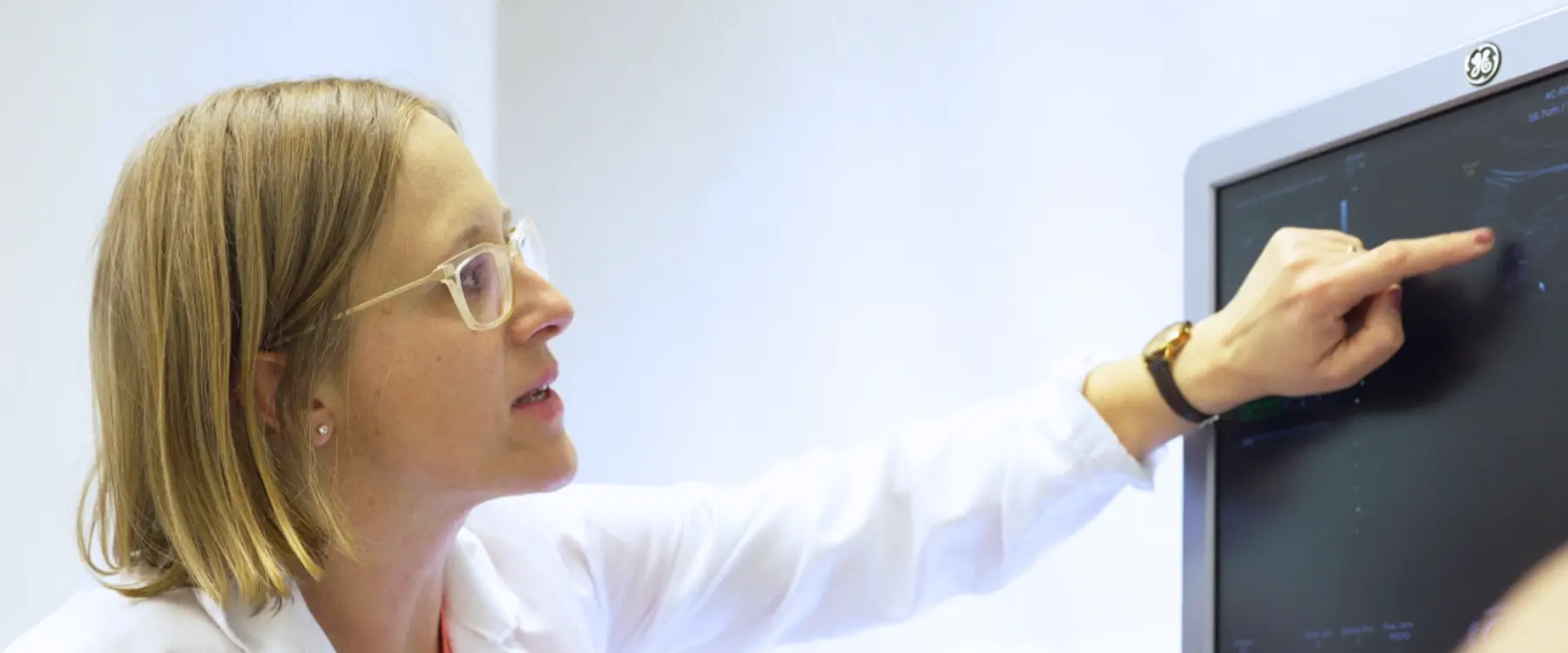
We spoke with Dr. Elena Santiago about secondary infertility, or secondary infertility, is the difficulty in getting pregnant a second time (after having had one or more children previously).
In contrast to primary infertility, where the couple has never been able to conceive, secondary infertility occurs when, after a period of unsuccessful attempts, a new pregnancy is not achieved.


- What is Secondary Infertility?
- Causes of Secondary Infertility: Why does it occur?
- What is the difference between primary and secondary infertility?
- How to Get Pregnant a Second Time: Treatments and Solutions for secondary infertility
- When to consult a specialist to become pregnant for the second time?
- Contact Vida Fertility
- Secondary infertility experiences
- Frequently asked questions about secondary infertility
What is Secondary Infertility?
Secondary infertility is the inability to conceive after having one or more children.
A couple is considered to face secondary infertility when, after one year of regular unprotected intercourse, they do not achieve a pregnancy. This problem affects approximately 8% of couples in developed countries.
*** You may be interested to read about the age limit for fertility treatments in Spain ***
Causes of Secondary Infertility: Why does it occur?
The causes of secondary infertility are varied and can be similar to those of primary infertility. Here are some of the most common ones:

Age is one of the most important determinants of female fertility. The maximum reproductive potential in women is between 20 and 25 years of age.
From the age of 35 onwards, the ability to conceive decreases and the rate of miscarriage increases. This situation worsens even more after the age of 40, making it more difficult to achieve a new pregnancy.
Semen quality may also decline with age, although this process is slower and more variable compared to women. Factors such as lifestyle and certain diseases can affect semen quality.
Unhealthy lifestyle habits can affect fertility in both men and women. Smoking, alcohol, unbalanced diet, obesity, extreme thinness and exposure to toxins can reduce the chances of conceiving.
- Chronic Diseases
Diseases such as diabetes, thyroid problems and other poorly controlled endocrine disorders can interfere with fertility.
- Medical or Surgical Interventions
Treatments such as chemotherapy or abdominal and pelvic surgeries can affect ovarian and testicular function, reducing the chances of conceiving.
- Complications in previous pregnancies
Infections, complicated surgery or damage to the uterus, fallopian tubes or ovaries during previous pregnancies can cause secondary infertility.
- Change of partner
Secondary infertility can also arise when there is a change of partner, as the new partner may have fertility problems
What is the difference between primary and secondary infertility?
The main difference between primary and secondary infertility is whether the couple has previously had children.
While primary infertility refers to the inability to conceive for the first time, secondary infertility involves difficulty conceiving again after having one or more children.
In both cases, it is important to consult a specialist in assisted reproduction to assess the situation and determine the best treatment.
At Vida Fertility, our experts are here to help you understand your situation and offer you the best treatment options to achieve your dream of becoming a mother.
How to Get Pregnant a Second Time: Treatments and Solutions for secondary infertility
At Vida Fertility, we offer a wide range of fertility treatments tailored to the individual needs of each patient. Our mission is to help couples overcome secondary infertility and achieve their dream of having another child. Among the treatments we offer are:
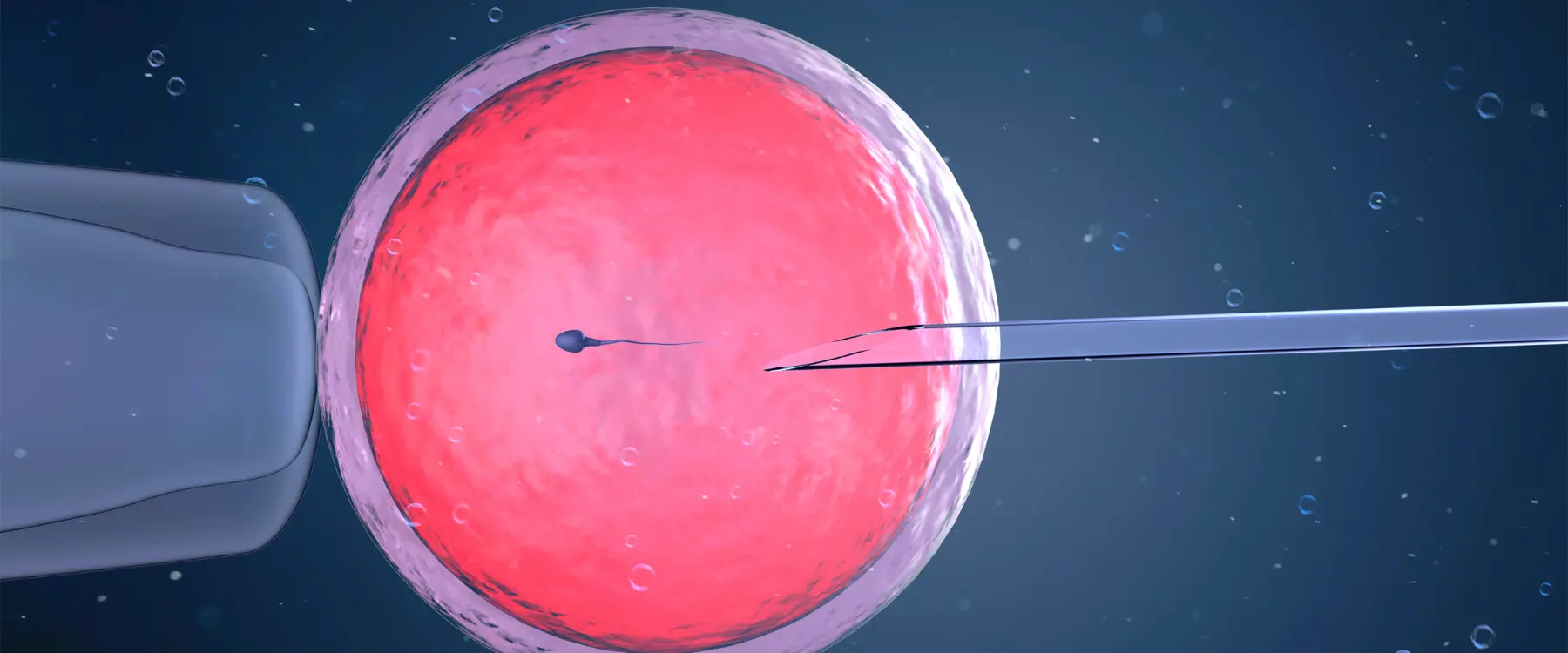
- In Vitro Fertilisation (IVF): An effective option for many couples with secondary infertility. Learn more about IVF process.
- Egg donation: Ideal for women with low ovarian reserve.
- Preimplantation Genetic Diagnosis (PGT): For couples with a history of miscarriage or genetic problems.
Our experts in assisted reproduction, such as Dr. Katharina Spies at Vida Fertility Madrid and Alicante, are available to guide you every step of the way.
Contact us to schedule a consultation and start your journey to motherhood again. Fill in your details here and we will contact you within 24 hours.
When to consult a specialist to become pregnant for the second time?
The right time to seek professional help will depend on several factors, mainly the woman’s age and the length of time she has been trying to conceive.
We spoke to Dr. Elena Santiago, a specialist at Vida Fertility Madrid, about some factors to take into account:
- Women under 35: It is recommended to consult a specialist after one year of unsuccessful attempts.
- Women aged 36-39: If there are no other known factors, it is recommended to seek help after six months.
- Women over 40 years of age: It is advisable to start the study as soon as possible without delay.
It is important to remember that the passage of time can significantly affect ovarian reserve and, consequently, the ability to conceive.
Contact Vida Fertility
If you are facing problems getting pregnant for the second time, do not hesitate to contact us.
We are located at Vida Fertility Madrid, C/Palermo 15 and at Vida Fertility Alicante, Av. Óscar Esplá 1.
We are here to help you to achieve your dream of enlarging your family.
Make an appointment today and let our specialists guide you to motherhood! Come and meet us
Secondary infertility experiences
Let’s be honest, there are very complex cases in which reproductive medicine can succeed. This is the testimony of secondary infertility of Mariana, our 38 year old patient who after several failed IVF attempts managed to get pregnant thanks to in vitro fertilisation with PGT-A of a baby girl.
Frequently asked questions about secondary infertility
If I have already had children, why can’t I get pregnant?
Dr. Elena Santiago answers:
The passage of time, especially in women over 35, can have a direct influence on the decrease in the quality and quantity of eggs. In addition, new health conditions such as endometriosis, hormonal imbalances or problems in the reproductive system that were not present at the time of the first pregnancy may appear.
It is also important to consider the possibility that your partner’s sperm quality has declined over time due to lifestyle changes, illness or age.
If you are in this situation, it is best to consult a fertility specialist to study your case in depth. At Vida Fertility, we carry out a comprehensive diagnosis to identify the causes and find the most appropriate treatment.
Why can’t I get pregnant a second time?
Dr. Elena Santiago answers:
Even if you have already had a child naturally, there may be factors that make it difficult to achieve a second pregnancy.
The most common causes are a decrease in ovarian reserve , the appearance of uterine pathologies (such as polyps or synechiae), illnesses such as endometriosis or even age and fertility , especially if the first pregnancy was several years ago.
In the case of the male, there may also be a decrease in semen quality that affects the chances of achieving a new conception.
Each case is unique, so it is essential to assess your particular situation.
If you have been trying to get pregnant for more than six months without success (if you are over 35) or more than a year (if you are under 35), don’t hesitate to seek the help of a specialist to find answers.
What is the most common cause of unexplained infertility?
Dr. Elena Santiago answers:
When no obvious causes of infertility are found, the reasons may be related to factors not yet detectable with current tests. Some of the most common causes may include embryo implantation problems, genetic alterations in the embryos or immunological alterations.
Although it is not always possible to identify a specific cause, embryo biopsy such as PGT-A (Preimplantation Genetic Diagnosis) or endometrial factor testing can increase the chances of success.
If you find yourself in any of these situations, do not hesitate to contact Vida Fertility. Our team of specialists in Madrid and specialists in Alicante is at your disposal to help you along the way and we will be delighted to accompany you!
Book an appointment
You may also like


Last news


On Instagram

Testimonials






ℹ️ The information published on Vida Fertility is reviewed by our fertility specialists and medical team, following up-to-date scientific criteria and evidence-based medicine. Our team is a member at scientific societies such as SEF, ESHRE and SEGO.